
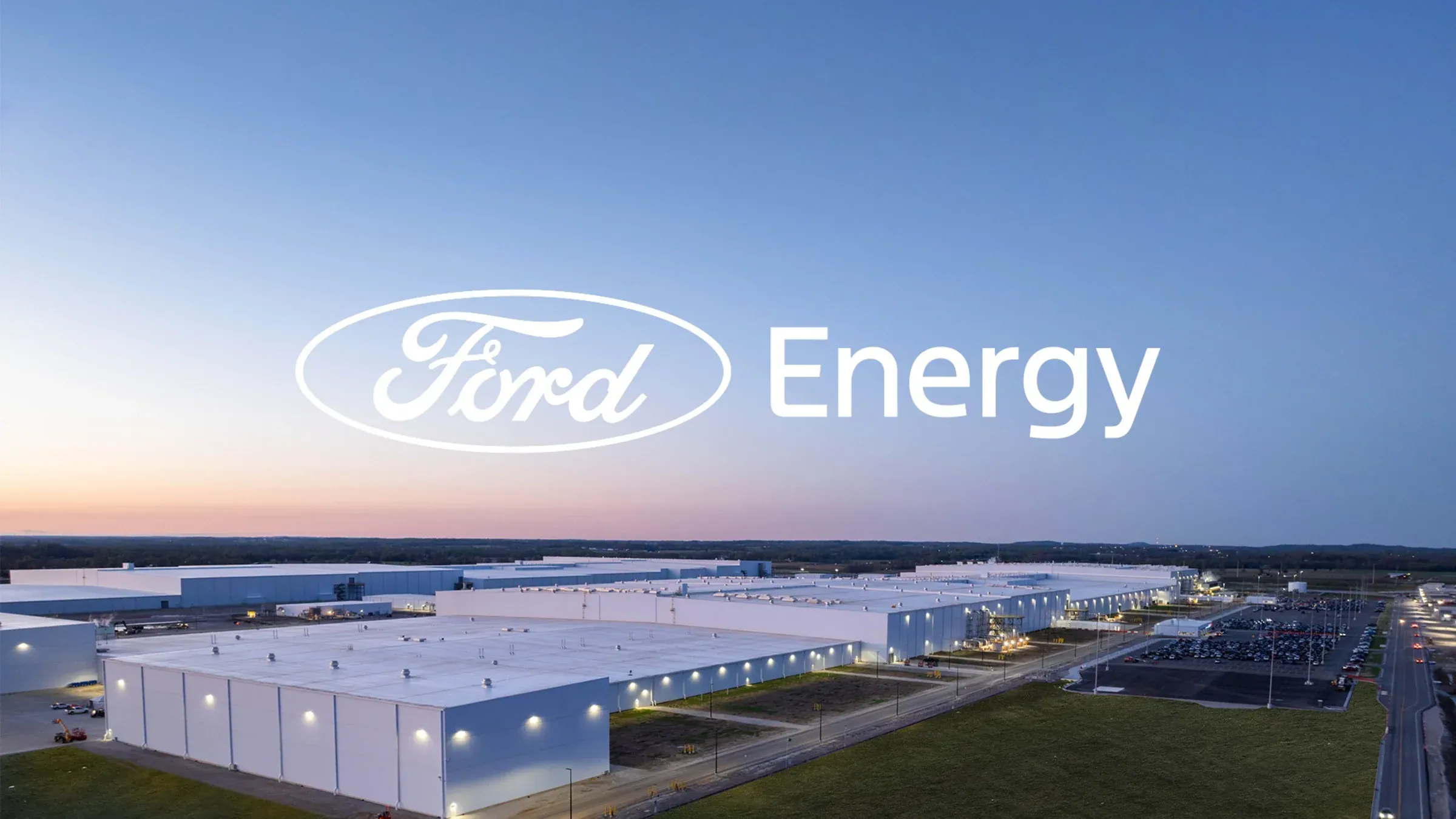
Ford Motor Company formally launched Ford Energy, a wholly owned subsidiary that will manufacture U.S.-assembled battery energy storage systems with a target of at least 20 GWh of annual deployment and first customer deliveries planned for late 2027. The new business will serve utilities, data centers, and large industrial and commercial customers from a repurposed manufacturing site in Glendale, Kentucky. The company said the subsidiary has operated quietly for the better part of a year to secure supply chains and ready manufacturing capacity before today’s formal introduction. The launch formalizes a pivot Ford previewed in December, when it restructured its electric-vehicle battery footprint following the dissolution of the BlueOval SK joint venture with SK On.
Highlights
- 20 GWh annual deployment target with first customer deliveries planned for late 2027
- Two flagship configurations — the FE-250 two-hour system and the FE-450 four-hour system — built around 512 Ah LFP prismatic cells in 20-foot containerized blocks
- Glendale, Kentucky EV battery capacity repurposed for grid-scale BESS, backed by Ford’s previously announced $2 billion investment
- Domestic manufacturing alignment with Investment Tax Credit, material assistance, and domestic content standards for grid-scale storage
A New Subsidiary Built Around the DC Block
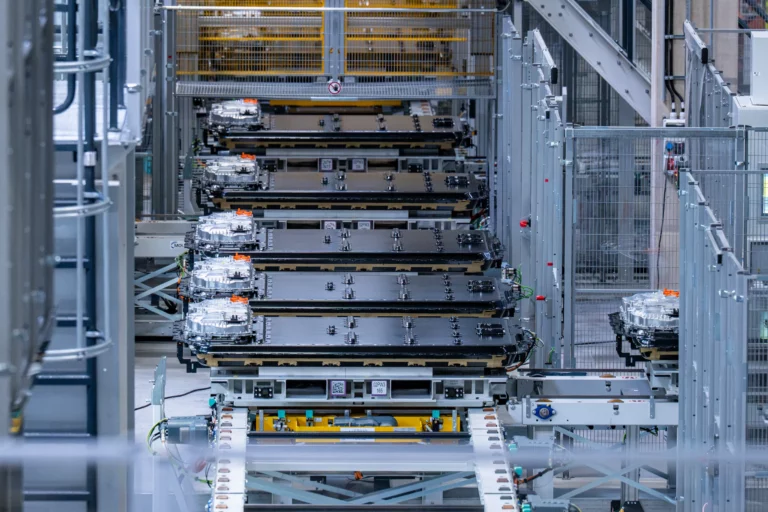
Ford Energy’s flagship product line is what the company calls the DC block — a standardized 20-foot containerized BESS designed around 512 Ah LFP prismatic cells. Two configurations are offered: the FE-250, a two-hour system, and the FE-450, a four-hour system. Both integrate liquid-cooled thermal management and a battery management system, and the company said the platform is designed for 20-year performance.
Operations span full battery cell manufacturing, including production of electrode coils, plus module and container assembly and aftermarket sales and service support. The vertical scope is unusual for a new entrant to the grid-scale BESS market, where most competitors integrate cells sourced from third-party suppliers rather than producing them in-house.
Glendale, Kentucky Becomes the Production Hub
Ford Energy will manufacture the DC block at Glendale, Kentucky, where Ford is repurposing existing battery capacity originally built for electric-vehicle traction batteries. The site was part of the BlueOval SK joint venture before the partnership with SK On dissolved in December 2025. Ford previously announced plans to invest roughly $2 billion to stand up the business and confirmed earlier this month an agreement with the Commonwealth of Kentucky covering at least 2,100 new jobs at the Glendale operation.
The company said its manufacturing and supply chain strategy is structured to support a changing regulatory environment for battery energy storage, aligning with Investment Tax Credit requirements and meeting material assistance and domestic content standards relevant to grid-scale storage.
Where Ford Energy Fits in the Market
The U.S. demand outlook for grid-scale storage has accelerated sharply, driven by data center load growth, renewable energy integration, and grid resilience requirements. Ford Energy is entering a market where utilities and developers increasingly prioritize suppliers offering long-duration warranties, financeability, and domestic content — criteria that favor scaled domestic manufacturers over import-dependent competitors.
The 20 GWh annual deployment target is ambitious for a first-year entrant. For comparative scale, Ford’s BlueOval Battery Park Michigan was announced in 2023 with an initial 35 GWh annual capacity for traction batteries. Ford Energy’s 20 GWh BESS target would, if achieved, represent roughly 57 percent of that single-plant figure — significant for a new business unit but using manufacturing infrastructure already in place rather than greenfield construction. The pivot also echoes a broader trend across the U.S. battery sector, where automaker-aligned suppliers have begun redirecting underutilized EV battery capacity toward stationary storage as EV demand growth has lagged earlier industry projections.
Ford said it is now in full execution mode and readying manufacturing capacity to begin deliveries in late 2027.
Sign up for our popular weekly email to catch all the latest EV news!