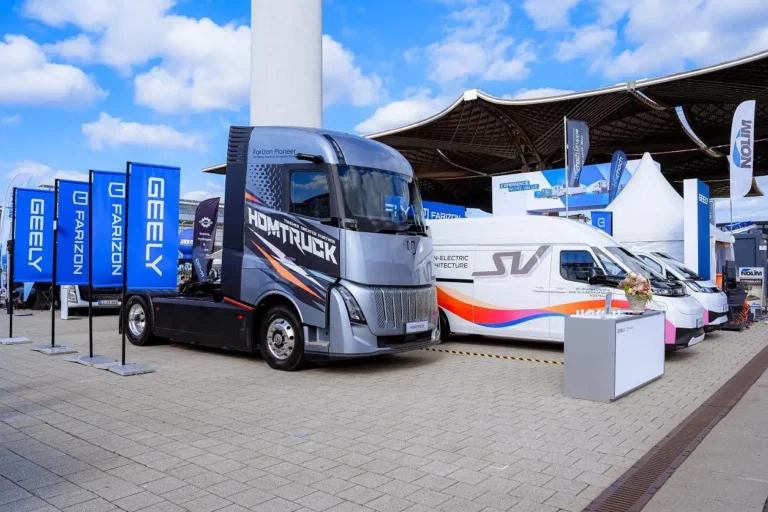
Geely Farizon Debuts Electric Commercial Lineup at IAA
Geely Farizon debuted at IAA Transportation 2026 with the Farizon SV, V7E and Homtruck, previewed a four-wheel-drive SV MY27, and said its European distribution network now spans 28 countries.

Geely Farizon debuted at IAA Transportation 2026 with the Farizon SV, V7E and Homtruck, previewed a four-wheel-drive SV MY27, and said its European distribution network now spans 28 countries.
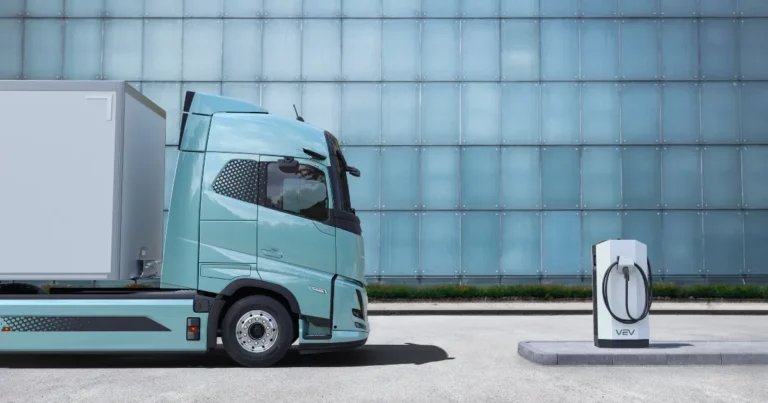
VEV has joined Volvo Trucks UK & Ireland's panel of charging partners, offering feasibility studies, charger installation and its VEV IQ energy platform as operators weigh electric trucks. VEV research says 46% of heavy trucks could switch today.
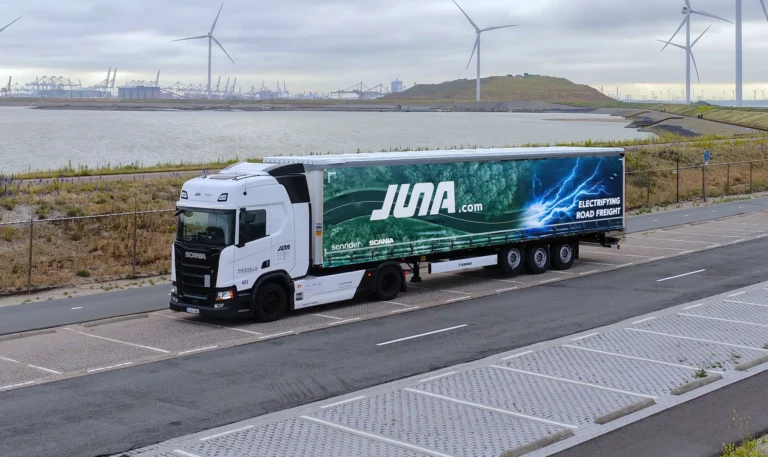
JUNA, the electric-truck-as-a-service joint venture between Scania and sennder, has surpassed 100 electric trucks in Europe, with roughly 110 in operation across four markets and 150 expected by year-end.
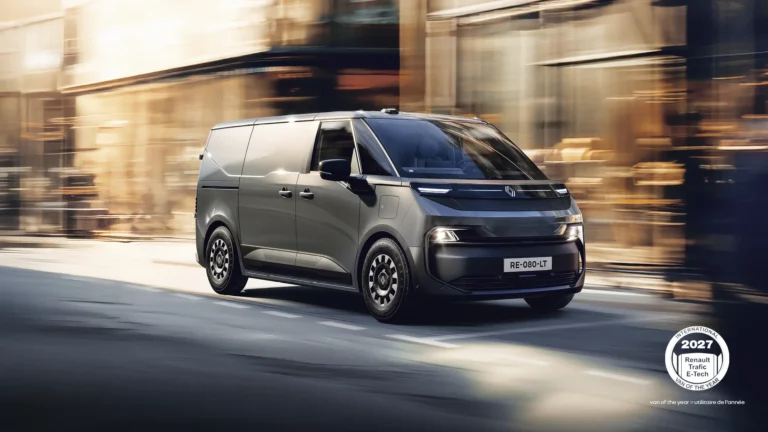
Renault's new Trafic Van E-Tech electric has been named International Van of the Year 2027 by a unanimous 26-member jury at IAA Transportation, the sixth IVOTY title for a Renault van.
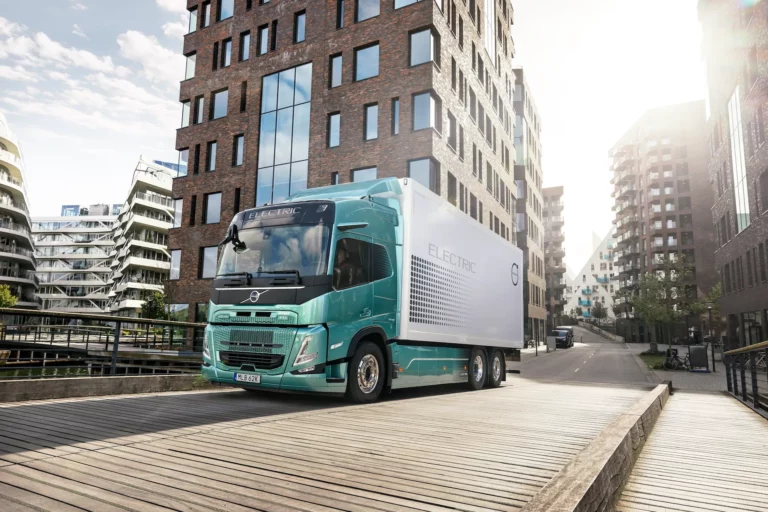
Volvo Trucks' heavy-duty electric lineup, with up to 435 miles (700 km) of range, has been named International Truck of the Year 2027, the company's eighth win and the second for the FH Electric.
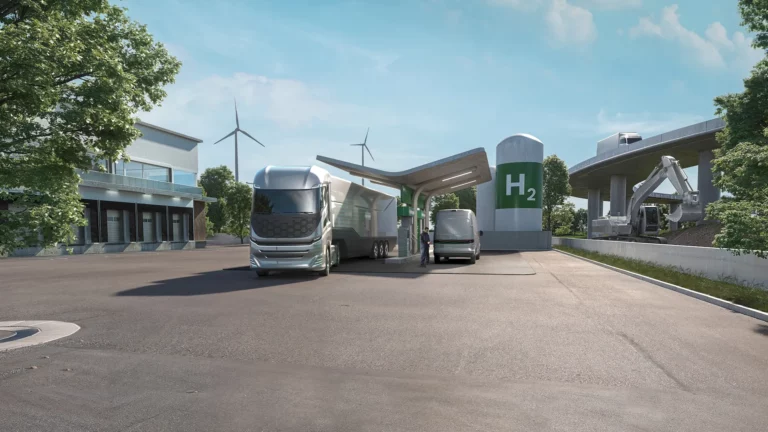
Volvo Group, Daimler Truck, Toyota, Bosch, Air Liquide, TotalEnergies, TEAL Mobility and MB Energy present a joint plan at IAA Transportation to scale hydrogen trucks across Europe, using Germany as the baseline.
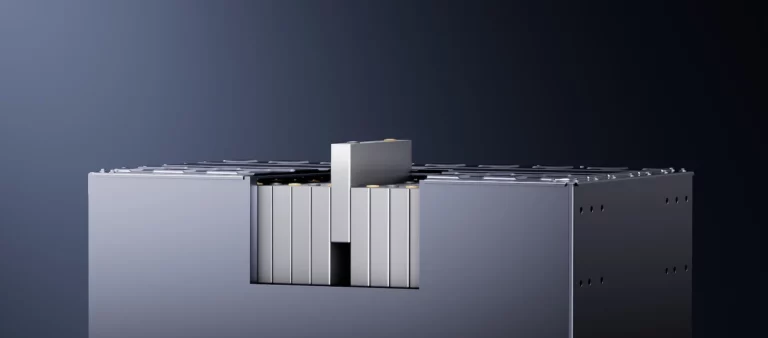
CATL unveiled TECTRANS II at IAA Transportation 2026, a modular commercial vehicle battery platform it says delivers up to 621 miles of range and 25-minute fast charging, and signed a DHL Group MoU for European freight corridors.
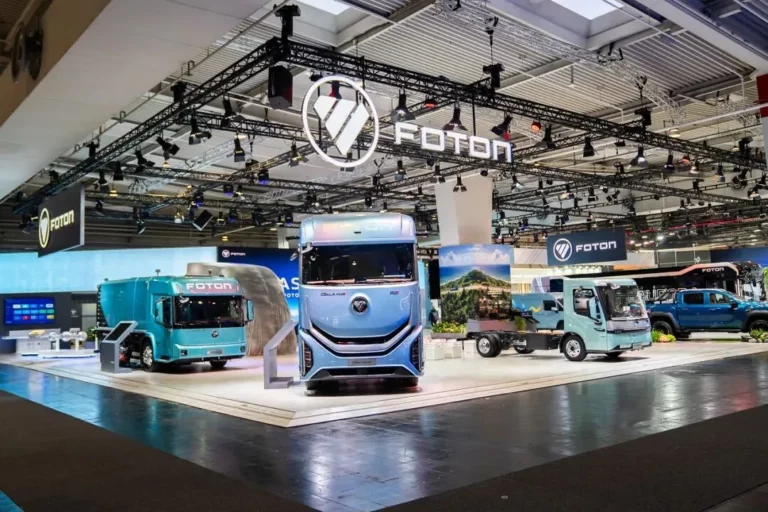
BAIC FOTON debuted the CAVAN BEACON heavy truck at IAA Transportation 2026 in Hannover, with 15 powertrain variants, 18-minute megawatt charging, and a European strategy targeting local assembly by 2028.
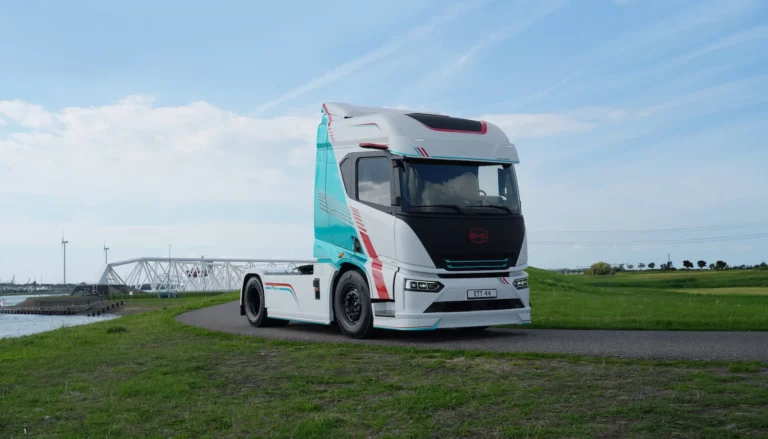
BYD Commercial Vehicles unveiled the ETT 44 heavy-duty electric tractor at IAA Transportation 2026, pairing a 651 kWh Blade Battery with 1.5 MW megawatt charging and a claimed 372-mile range, alongside new rigid trucks for Europe.
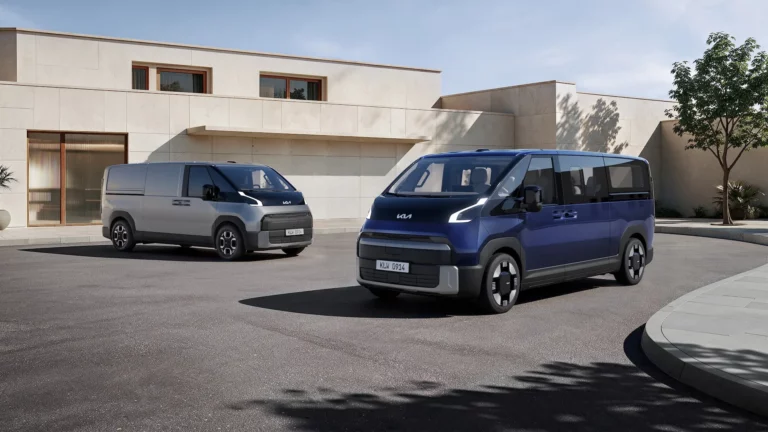
Kia has unveiled the PV7, its second all-electric PBV, at IAA Transportation 2026. Cargo and Passenger variants launch in Korea and Europe in 2027, with 23 variants planned.
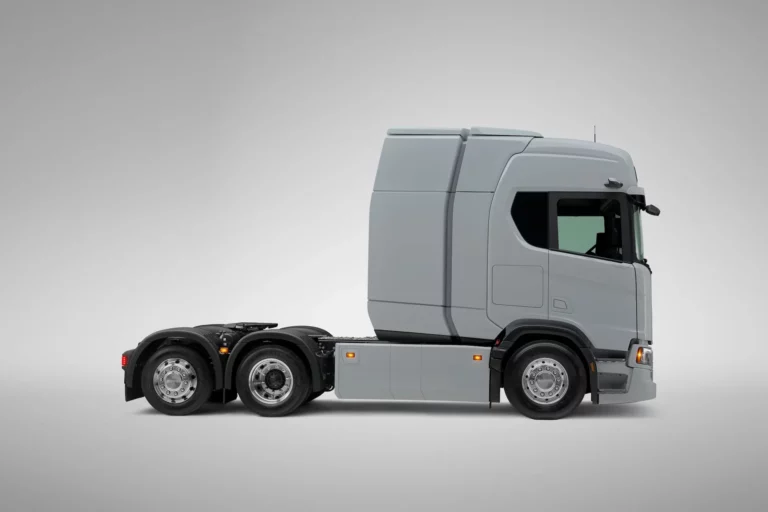
Scania adds a behind-the-cab battery option that lifts electric long-haul truck range to 720 km (447 miles), with two MP20 packs contributing roughly 356 kWh alongside MCS charging support.
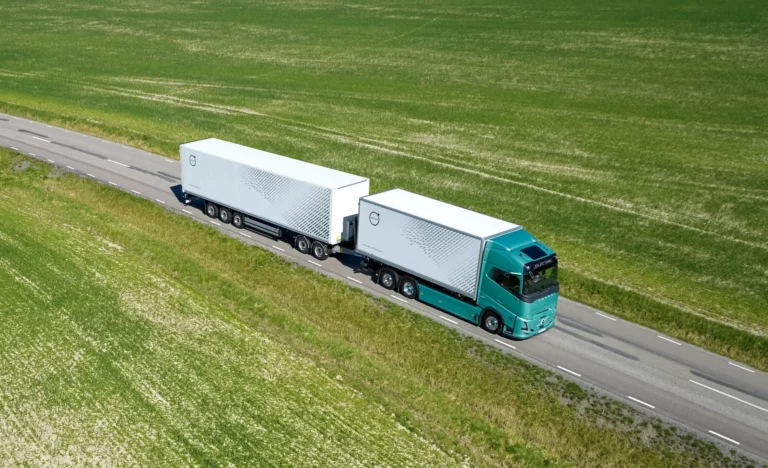
Volvo Trucks has launched an FH Electric rigid truck rated for 80-tonne combinations, with up to 450 km of range, 640 kWh of usable energy, and megawatt charging, rolling out in early 2027.

Volvo Group plans a 70 MW/260 MWh battery energy park in Mariestad, Sweden, built on Volvo Energy BESS units and targeting 2027 operation, alongside a future test bed near its planned battery cell plant.
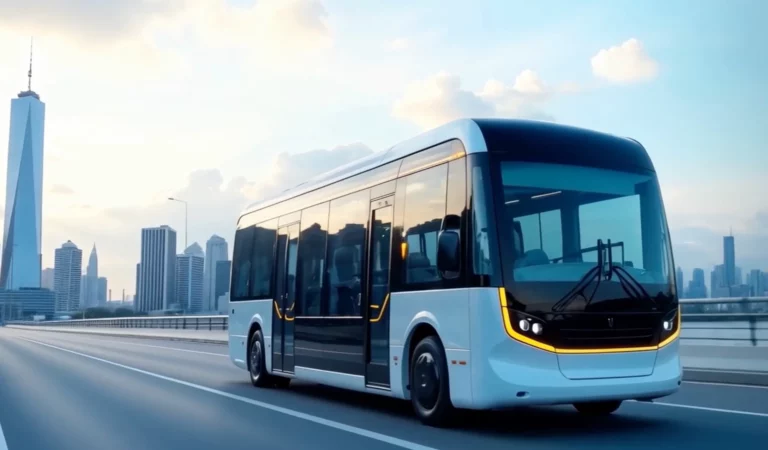
Sensata Technologies has introduced OmniNode, a patent-pending, off-the-shelf platform that consolidates high-voltage switching, protection, sensing, diagnostics, communications and charging for Class 5 and above battery-electric trucks and buses.
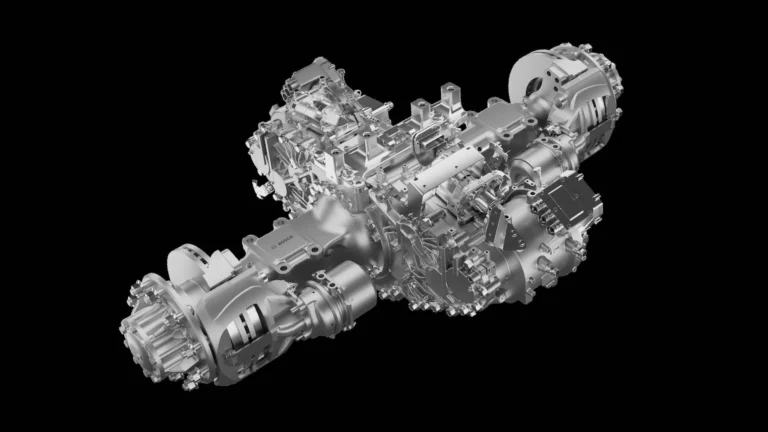
Bosch's rigid e-axle for 18-to-49-ton trucks leads a commercial-vehicle powertrain lineup at IAA Transportation 2026 that also includes 100-to-300-kW fuel cells, hydrogen-engine components, and an 800-volt blower module.
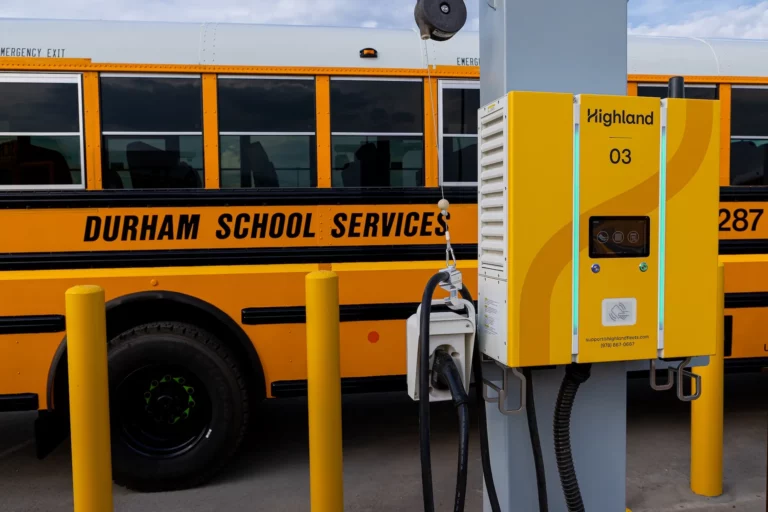
Boise School District will operate eight IC Bus electric school buses and depot charging for the 2026-27 school year, backed by a $2.76 million EPA Clean School Bus Program award.
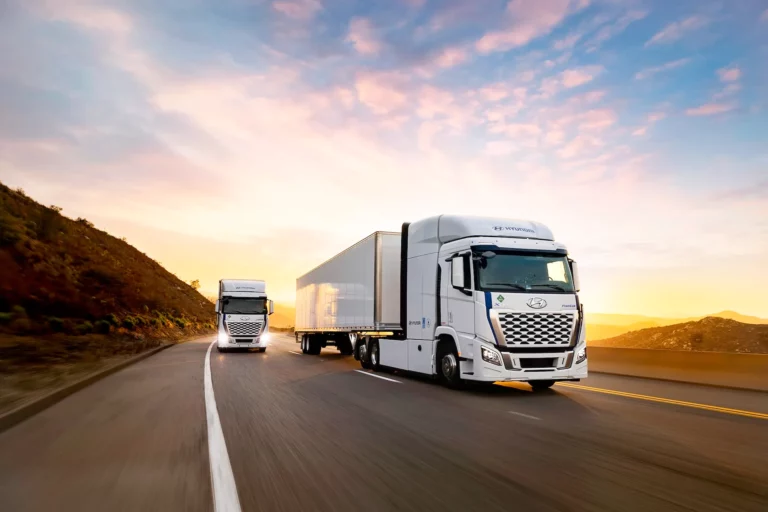
Hyundai Translead has named Range Zero Emissions an authorized commercial vehicle dealer, extending XCIENT Fuel Cell sales and service to Washington fleets from Range's Fife showroom and across the Pacific Northwest.
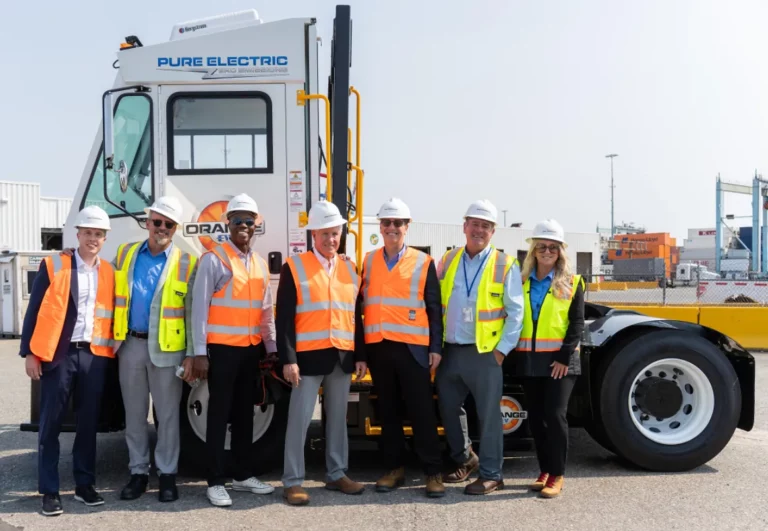
APM Terminals Elizabeth has ordered 96 Orange EV HUSK-e XP electric terminal trucks, following the operator's 40-truck Pier 400 expansion and a 24-truck deal in South Philadelphia.
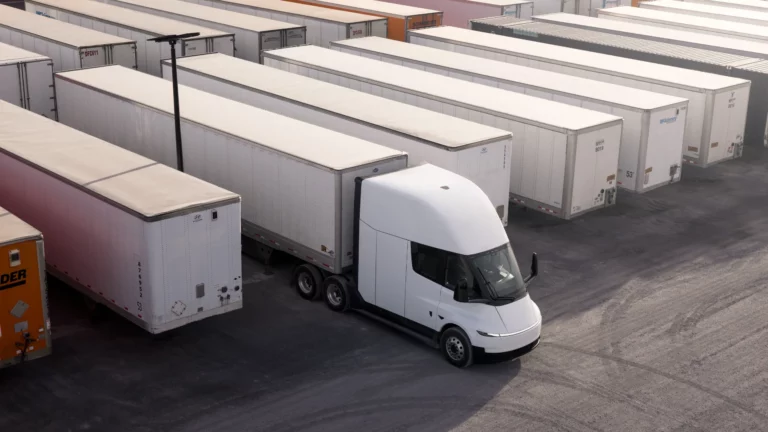
Einride will deploy 500 Tesla Semi trucks on its Saga AI platform across North America, tripling its deployed electric fleet and serving Amazon across five state freight corridors.
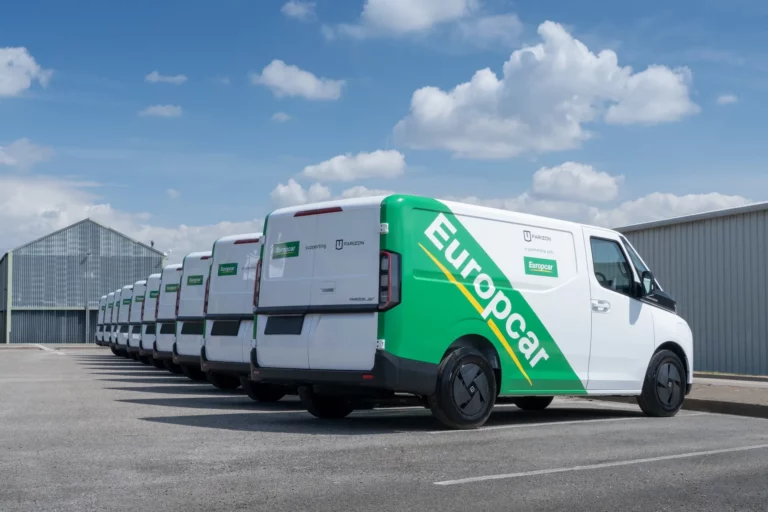
Farizon has appointed Europcar Mobility Group UK to supply replacement vans within two days when a customer's SV or V7E cannot be repaired at the roadside, for the warranty term.