

EVIQO, a maker of UL- and Energy Star-certified Level 2 home EV chargers, says charging an electric vehicle at home in 2026 costs roughly 5 to 6 cents per mile — less than half the nearly 13 cents per mile it costs to run a 30-mpg gasoline car at today’s pump prices. The guidance arrives as the federal Section 30C credit for a Level 2 home EV charger has expired for installations placed in service after June 30, 2026, regular gasoline sits near $3.80 a gallon (AAA), and residential electricity averages about 18.8 cents per kilowatt-hour (EIA, April 2026). According to EVIQO, the common assumption that home charging costs about the same as filling up at the pump does not hold up once the numbers are run.
Highlights
- Home charging runs roughly 5 to 6 cents per mile at the national average residential rate, versus nearly 13 cents per mile for a 30-mpg gas car at $3.80/gallon.
- The federal Section 30C credit — 30% of charger and installation costs, up to $1,000 — expired for equipment placed in service after June 30, 2026, under the One Big Beautiful Bill Act.
- Utility rebates remain active: ComEd pays up to $1,000 (up to $2,500 for qualifying customers) in Illinois, LADWP pays up to $1,000 in Los Angeles, and Michigan’s Consumers Energy pays $500 to $1,000.
- Shifting a typical 1,000-mile-a-month charging load to an overnight rate can save $15 to $20 a month, or roughly $900 to $1,200 over five years — on par with the expired federal credit’s maximum payout.
The Math Behind 5 to 6 Cents a Mile
Per EVIQO’s guidance, most EVs use 25 to 35 kWh to travel 100 miles. At the roughly 19-cent-per-kWh U.S. average residential rate, that works out to 5 to 6 cents per mile, versus nearly 13 cents per mile for a 30-mpg gas car at $3.80 a gallon — about two and a half times more. The company frames the formula as kilowatt-hours per 100 miles, divided by 100, multiplied by a household’s electricity rate. At a low-cost state rate of 13 cents per kWh the per-mile figure drops further; at a high-cost rate of 30 cents, as in California or New England, it rises but still undercuts gasoline.
| Battery size | At 13¢/kWh | At 19¢/kWh (US avg) | At 30¢/kWh |
|---|---|---|---|
| 60 kWh (compact EV) | ~$7.80 | ~$11.40 | ~$18.00 |
| 75 kWh (midsize EV) | ~$9.75 | ~$14.25 | ~$22.50 |
| 100 kWh (truck / large SUV) | ~$13.00 | ~$19.00 | ~$30.00 |
The Monthly and Five-Year Picture
The average American drives about 1,000 miles a month, according to the Federal Highway Administration. On home electricity, EVIQO puts that at roughly $50 to $65 for most EVs, compared with about $125 in gasoline for the same distance. Over five years of ownership, the company says the fuel-cost gap alone reaches several thousand dollars.
Home Charging vs. Public Charging
Where the charging happens matters nearly as much as what’s being charged. Home electricity averages about 19 cents per kWh, while AAA puts the national public-charging average at about 41 cents, with peak-hour DC fast rates running higher still. Public fast charging remains the pricier option nationwide even as networks like IONNA expand access for road-trip charging — federal data cited by charging providers shows most EV charging still happens at home.
| Where you charge | Typical rate | 75 kWh full charge | Best for |
|---|---|---|---|
| Home (Level 2) | ~19¢/kWh | ~$14 | Daily charging — cheapest |
| Public DC fast | ~40–50¢/kWh | ~$30–$38 | Road trips only |
What Changed on June 30 — and What Still Pays
The federal Section 30C credit — 30% of a home charger’s cost and installation, up to $1,000 — expired for equipment placed in service after June 30, 2026, under the One Big Beautiful Bill Act. Households that installed before the deadline can still claim it on IRS Form 8911 with their 2026 return.
The credit’s expiration doesn’t eliminate the incentive layer beneath it, according to EVIQO: utility rebates commonly range from a few hundred dollars to $1,000 or more per charger, and off-peak charging schedules continue to lower costs every night. Live 2026 programs illustrate the point. ComEd pays $1,000 toward a residential Level 2 installation — up to $2,500 for qualifying customers — for chargers installed through December 31, 2026, with enrollment in a time-of-use rate required. LADWP rebates up to $1,000 on a qualified home charger in Los Angeles, and Michigan’s Consumers Energy pays up to $500, rising to $1,000 for income-qualified households. Most programs are first-come, first-served and change during the year, so EVIQO advises confirming the current offer for a specific address before buying.
Off-Peak Charging Adds Up
A driver covering 1,000 miles a month uses roughly 300 kWh, according to EVIQO’s guidance. Shifting that load to an overnight rate five to seven cents below the standard price saves $15 to $20 a month — roughly $900 to $1,200 over five years, on par with or above the $1,000 ceiling the expired federal credit ever paid out.
EVIQO’s Checklist for Home Charging in 2026
The company outlined six considerations for buyers:
- Buy certified equipment. A UL- or ETL-listed, Energy Star-certified Level 2 unit is the most common eligibility requirement across remaining rebate programs.
- Check the ZIP code first. Incentives change often; EVIQO recommends confirming the current offer for the exact installation address before buying.
- Switch to a time-of-use plan. Overnight utility rates can run about half the daytime price.
- Schedule charging off-peak. A smart charger with app-based scheduling shifts sessions into the cheaper window automatically and can track the savings per session.
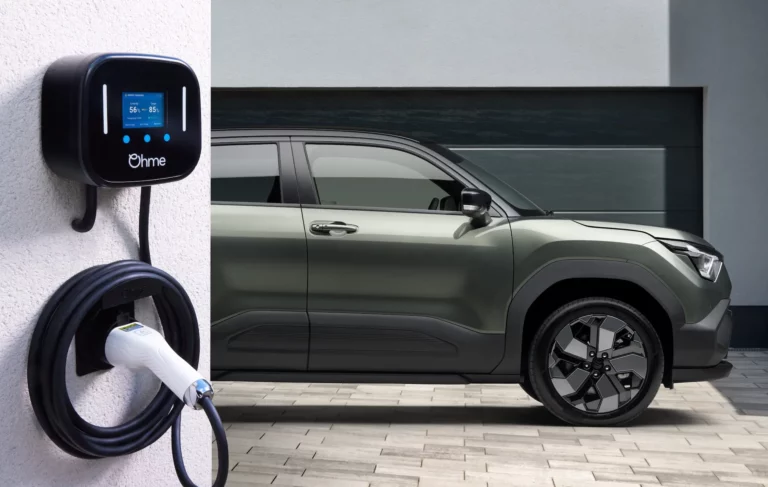
- Match amperage to the car and the panel. A 40A plug-in unit on a standard NEMA 14-50 outlet covers most daily driving; 48A hardwired units suit larger-battery trucks and multi-EV households. EVIQO says certified 40A units are now available starting just under $400.
- Check the enclosure rating for outdoor installs. An IP66 / NEMA 4 weatherproof housing is built to handle rain, snow, heat, and dust.
Sign up for our popular weekly email to catch all the latest EV news!