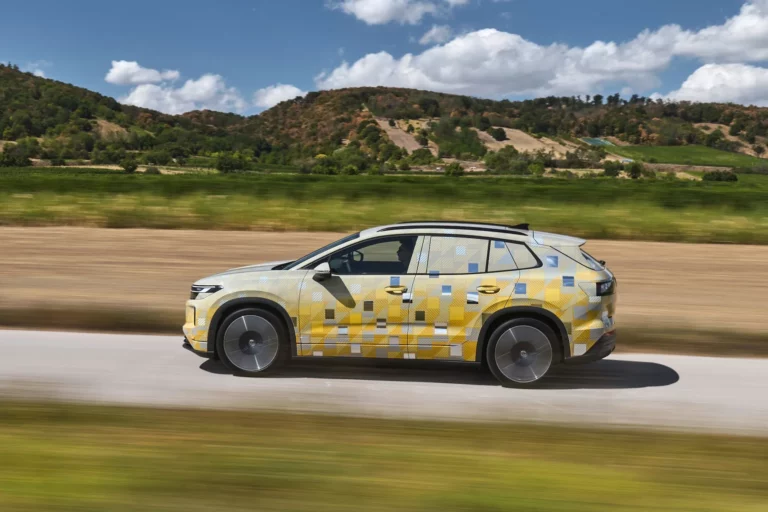


Mercedes-Benz has released the 360° Environmental Check for the all-new electric GLC. The independently verified lifecycle assessment shows the electric midsize SUV produces roughly two-thirds fewer carbon emissions across its full lifecycle than the current combustion-powered GLC. Production-phase emissions alone dropped 23 percent through carbon-reduced materials and renewable energy at the Bremen plant.
Highlights
- The electric GLC achieves a two-thirds reduction in lifecycle carbon emissions compared to the combustion-powered GLC, according to an independently audited assessment.
- Battery cell carbon footprint fell approximately 40 percent through renewable energy in cell manufacturing and low-carbon material production, saving roughly 3.4 tons of CO₂ per pack.
- About two-thirds of aluminum used in the vehicle comes from renewable-energy electrolysis or recycled content, cutting approximately 1.2 tons of CO₂.
- The interior earned independent certification from The Vegan Society, covering approximately 100 soft-touch material components.

Production Emission Reductions
Mercedes-Benz said it negotiated targeted CO₂ reduction measures with suppliers for the GLC 400 4MATIC electric. The 23 percent production-phase reduction addresses the most carbon-intensive inputs: battery cells, aluminum, steel, and thermoplastics.
The battery accounts for the largest single improvement. Renewable energy deployment in cell manufacturing, combined with low-carbon cathode, anode, and cell housing materials, delivers the 40 percent per-cell reduction.
Recycled and Sustainable Materials
The electric GLC incorporates 134 lbs of secondary-material thermoplastics. Approximately 35 percent of that total comes from post-consumer recycled sources. As one example, jack mounting points are manufactured entirely from recycled bumpers recovered from scrap vehicles.
On the aluminum side, sourcing from renewable-energy electrolysis and recycled content accounts for roughly two-thirds of the vehicle’s aluminum supply.
Vegan-Certified Interior
The Vegan Society independently verified approximately 100 material components across the vehicle’s soft-touch interior surfaces. The certification covers seat upholstery, carpeting, and other contact surfaces, confirming no animal-derived products are present. Mercedes-Benz described it as the first vehicle interior certified by The Vegan Society.
360° Environmental Check Background
Mercedes-Benz has published product-specific environmental data since 2005. The 360° Environmental Check provides a full lifecycle assessment for each vehicle, verified by independent auditors. The company said the initiative is designed to help customers make informed purchasing decisions.
Sign up for our popular weekly email to catch all the latest EV news!