
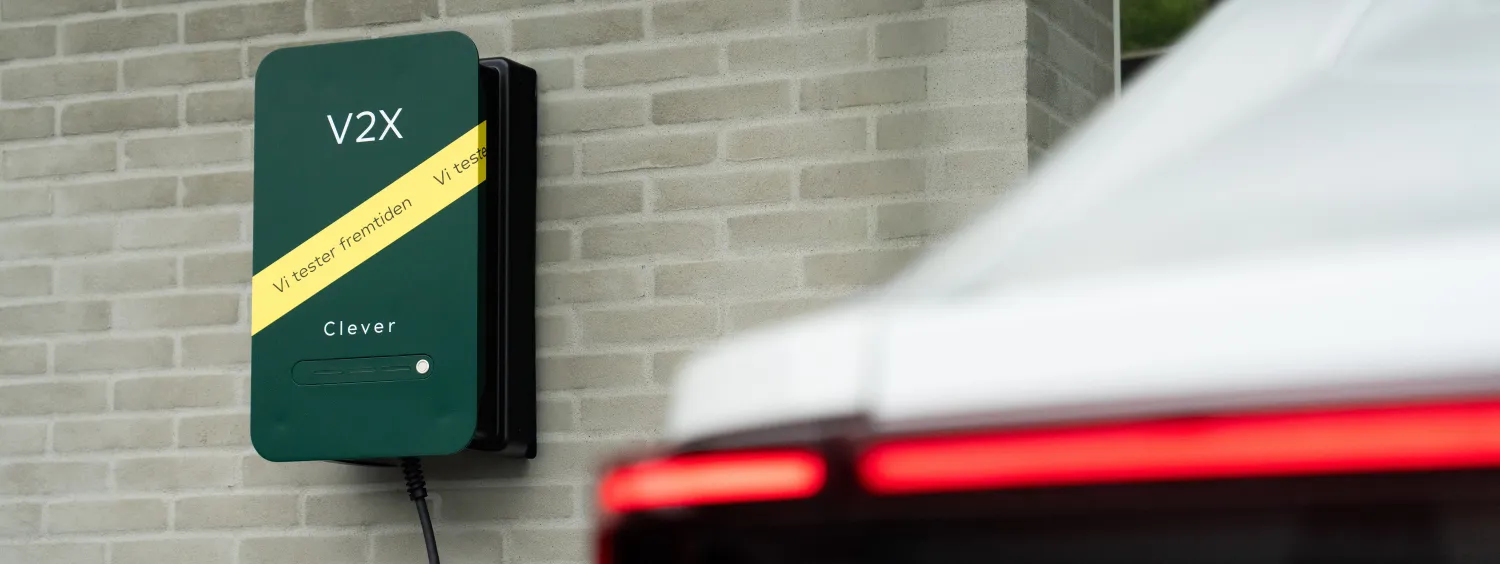
Polestar and Danish charging operator Clever have begun testing vehicle-to-everything (V2X) technology on the Polestar 4, a bidirectional system the companies say can keep an average home running for several days on the car’s battery alone. Run in selected Danish homes, the technical pilot lets the electric car power a household, feed energy back to the grid, and provide backup electricity during outages — what the companies call the first complete V2X deployment in Denmark. Polestar and Clever are building the trial on Clever’s intelligent charging platform, which already schedules charging for the cheapest hours of the day.
Highlights
- Three V2X functions are under test: vehicle-to-home (V2H), vehicle-to-grid (V2G), and islanding backup power.
- The Polestar 4 is the test vehicle, using DC bidirectional charging in selected Danish homes.
- A fully charged vehicle can power an average home for several days in islanding mode, according to the companies.
- Clever targets its first commercial V2X solutions in 2027, building on its existing smart-charging platform.
How Does the V2X Pilot Work?
The pilot tests three uses for the Polestar 4’s battery, all forms of bidirectional charging:
- Vehicle-to-home (V2H): powering the household during periods of peak energy demand.
- Vehicle-to-grid (V2G): feeding electricity to the wider grid when demand is high.
- Islanding mode: supplying backup power directly to the home during an outage.
The trial uses DC bidirectional charging and runs through the fall. Polestar attributes the capability to its software-defined vehicle architecture, which adds functions through over-the-air updates.
Storing Cheap Power for Peak Hours
Clever’s platform already schedules charging for when electricity is cheapest, helping ease grid load during high-demand periods. With V2X added, the company says a car can charge during low-price hours and then either power the home or send the energy back to the grid when needed. The goal is for the vehicle to cover a household’s electricity use during the most expensive hours of the day.
Christina Fink, CEO of Clever, said: “We are now taking V2X from a vision of the future to everyday reality. Denmark will be one of the first places where the electric car not only uses electricity but can also deliver it back to the home and the electricity grid when needed. In 2027, the ambition is for Clever to launch the first commercial V2X solutions. This is the beginning of a new chapter, where the electric vehicle battery can both create value for the electric vehicle owner and strengthen the energy system.”
The EV as a Home Power Bank
The pilot also examines how an EV can serve as emergency backup through islanding, where the home draws power directly from the vehicle’s battery. Depending on household consumption, the companies say a fully charged car can keep an average home running for several days.
Henrik Bang, Managing Director of Polestar Denmark, said: “In the future, the electric vehicle will not only transport people, but also energy. If electricity prices are high or the energy supply fails, the vehicle can become your power bank for the home or grid, reducing everyday energy costs and, in many cases, supporting increased use of renewable energy. This is a huge opportunity that puts consumers and their cars at the centre of the green energy transition.”
Polestar already offers smart charging and home solar integration through Polestar Energy. The company notes that current Polestar 4 vehicles do not yet support bidirectional charging or V2X, and that more details on commercial offerings will be shared later.
Sign up for our popular weekly email to catch all the latest EV news!