
BYD has announced two technologies it says will remove the last major obstacles to EV adoption: the second-generation Blade Battery and the FLASH Charger. Together, they deliver a 10%–97% charge in nine minutes and a range exceeding 621 miles (1,000 km) on a single charge.
Highlights
- FLASH Charging delivers up to 1,500kW through a single connector, achieving a 10%–97% refill in nine minutes at standard temperatures
- Cold-weather performance: even at -30°C, a 20%–97% charge takes only 12 minutes
- Blade Battery 2.0 increases energy density by 5% while reducing overall capacity degradation by 2.5% compared to the original
- BYD has already deployed 4,239 FLASH Charging stations in China and targets 20,000 by end of 2026
Addressing the Final EV Adoption Barriers
BYD Chairman and President Wang Chuanfu presented both technologies at a showcase in China on March 6, 2026. He stated the industry must resolve slow charging speeds and poor low-temperature charging performance to bring remaining ICE-vehicle buyers into the EV market.
The announcement follows BYD’s own research into consumer hesitancy. While EV market penetration has grown significantly across major global markets, many buyers still focus heavily on battery range — often paying premiums for marginal gains. BYD’s stated goal is to make recharging as routine as refueling.
Blade Battery 2.0: Core Technology Advances
BYD developed the second-generation Blade Battery over six years. The key engineering challenge was resolving the traditional trade-off between fast charging and high energy density. The solution is the FlashPass Ion Transport System, built on three distinct breakthroughs in LFP battery chemistry:
- Flash-Release cathode — a directionally engineered, multi-level particle-size architecture that enables dense packing and rapid deintercalation
- Flash-Flow electrolyte — AI-driven precision optimization delivering high ionic conductivity and faster ion mobility
- Flash-Intercalate anode — a multi-dimensional lithium-insertion site construction enabling 360° 3D high-speed lithium-ion intercalation
These innovations reduce internal resistance and cut heat generation at the source. Additionally, high-throughput electrode restructuring and graphite particles aligned perpendicular to the electrode plane further reduce lithium-ion transport resistance.
SEI Layer and Durability
Blade Battery 2.0 features a redesigned Solid Electrolyte Interphase (SEI) layer using molecular-level engineering. It is ultra-thin — allowing higher ionic conductivity — and highly dense, ensuring chemical stability. Dynamic self-repairing technology maintains structural integrity through repeated charge cycles.
Safety Validation
The new battery has cleared a series of benchmark safety tests, including:
- The world’s first simultaneous FLASH Charging and Nail-Penetration Test — no thermal runaway, smoke, or fire after 500 FLASH Charging cycles
- A forced short-circuit test across four cells simultaneously — no fire or explosion even at temperatures exceeding 700°C
FLASH Charger: Infrastructure and Design
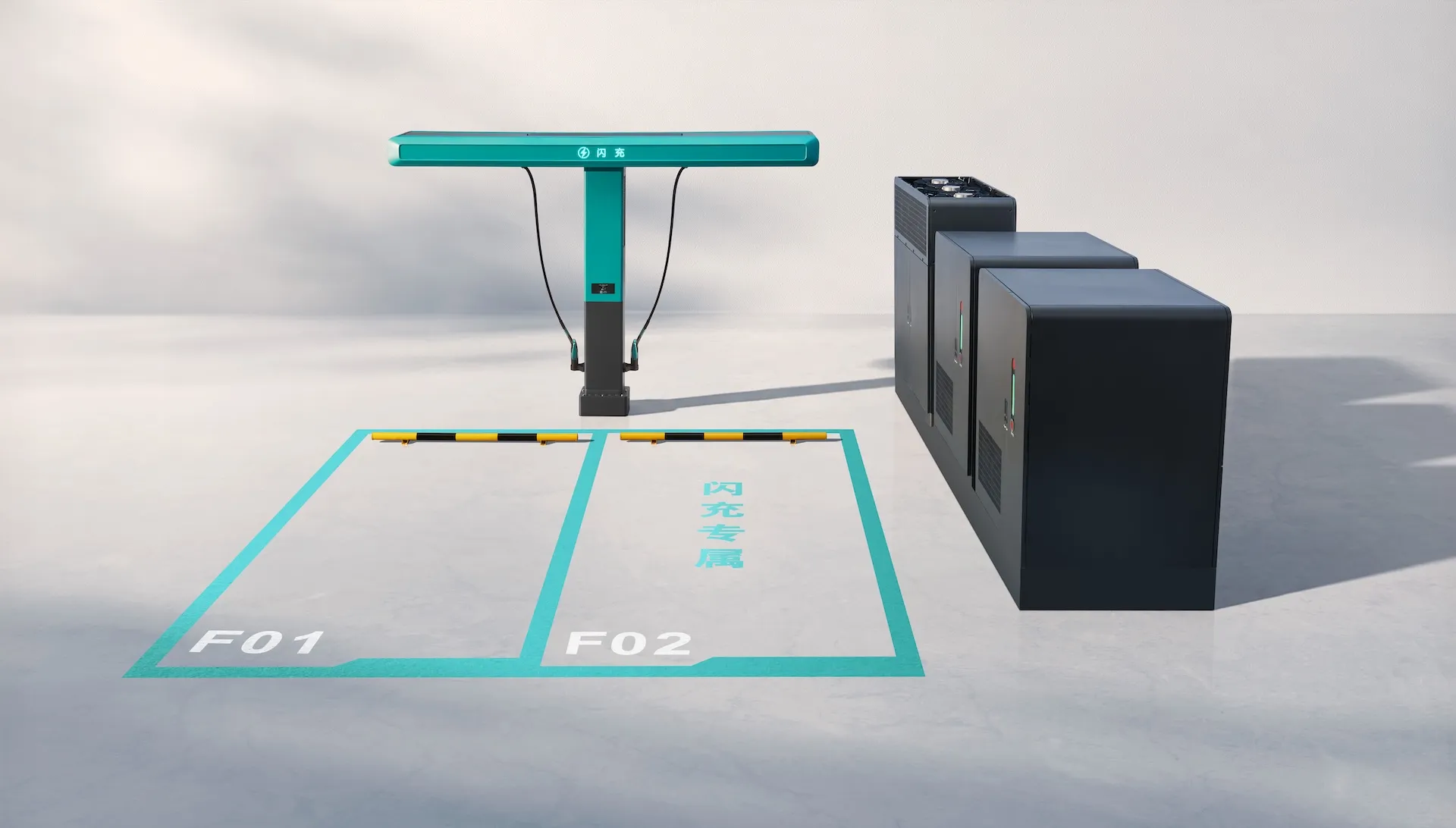
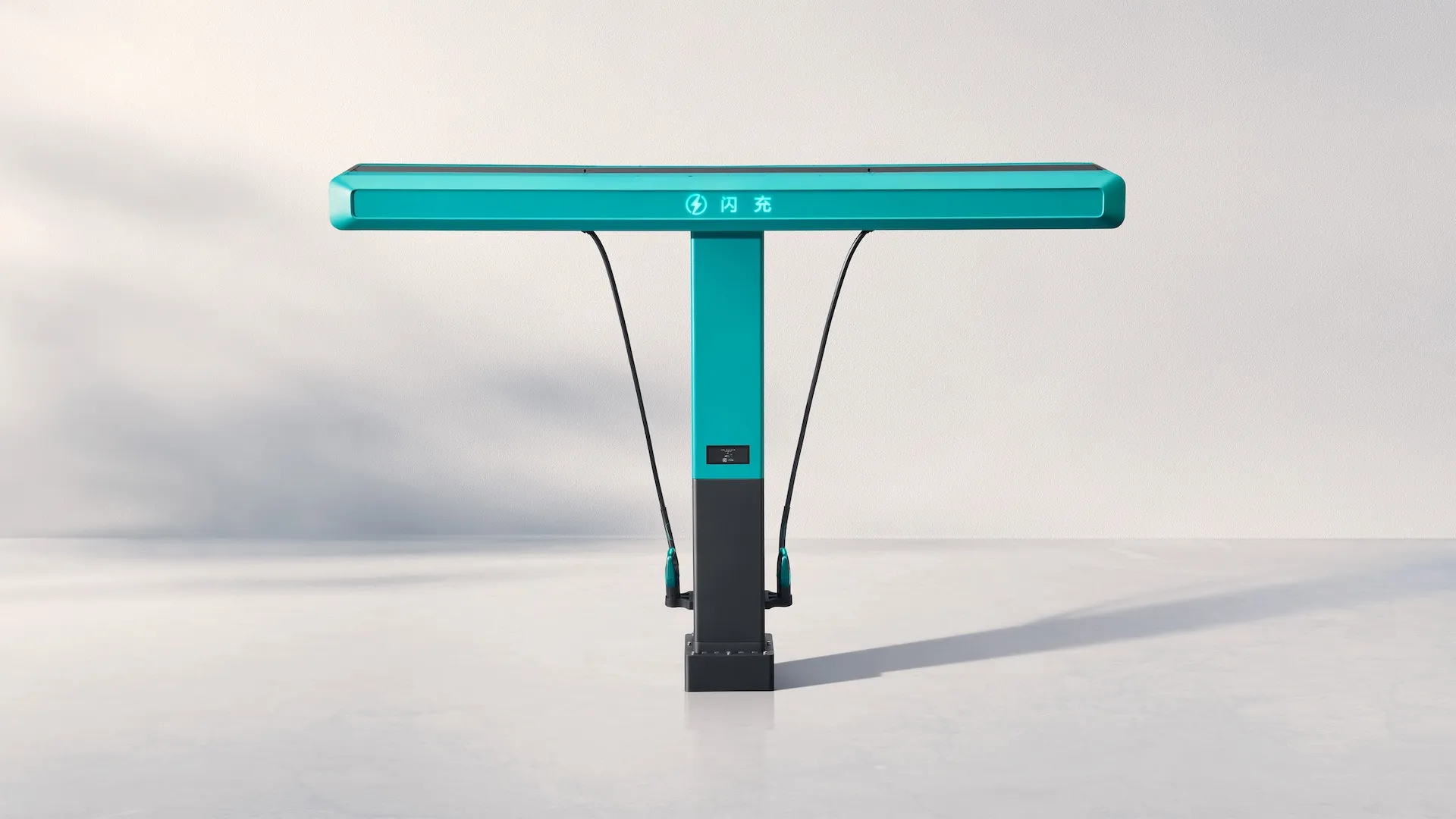
The FLASH Charger delivers up to 1,500kW through a single connector in the Chinese-market specification. Its distinctive T-shaped overhead design lifts the connector and cable away from ground contact, addressing longstanding complaints about dirty or heavy charging cables. A lighter connector and pulley-based, rail-sliding cable mechanism simplifies the hookup process regardless of charge port location.
Grid Integration
Each FLASH Charging station pairs with an ultra-fast-discharge energy storage system. This battery-backed reservoir charges at slower speeds and serves a dual function:
- Grid buffer — prevents overload at high-power charging sites
- Power amplifier — enables consistent 1,500kW output where grid infrastructure is limited
This design allows BYD to deploy stations at energy stations and other locations that would otherwise lack the grid capacity for megawatt-class charging.
Deployment and Global Rollout
As of March 5, 2026, BYD has 4,239 FLASH Charging stations operational across China. However, the company targets 20,000 stations by the end of 2026. Global expansion plans have been confirmed, with further details to follow.
In Europe, the first vehicle equipped with FLASH Charging and Blade Battery 2.0 will be the DENZA Z9GT, the flagship shooting-brake grand tourer from BYD’s premium DENZA brand. Final European specifications are expected in the coming weeks.
More information is available at www.bydglobal.com and www.byd.com.
Sign up for our popular weekly email to catch all the latest EV news!