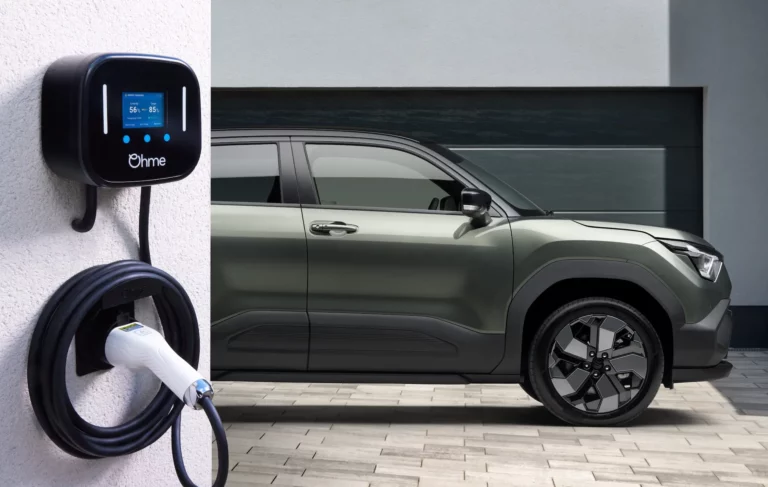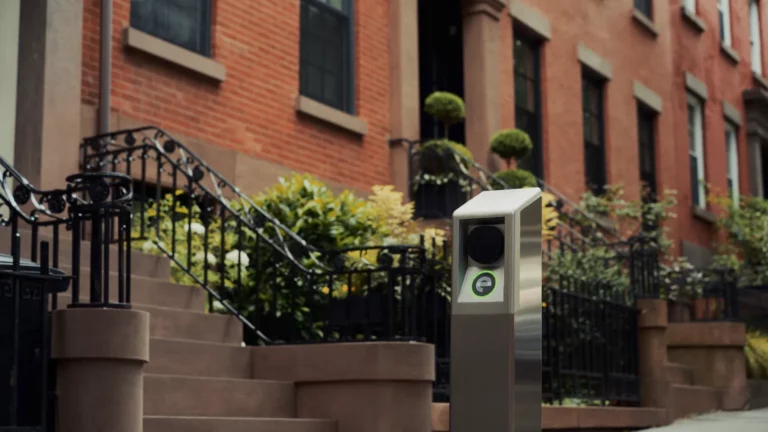
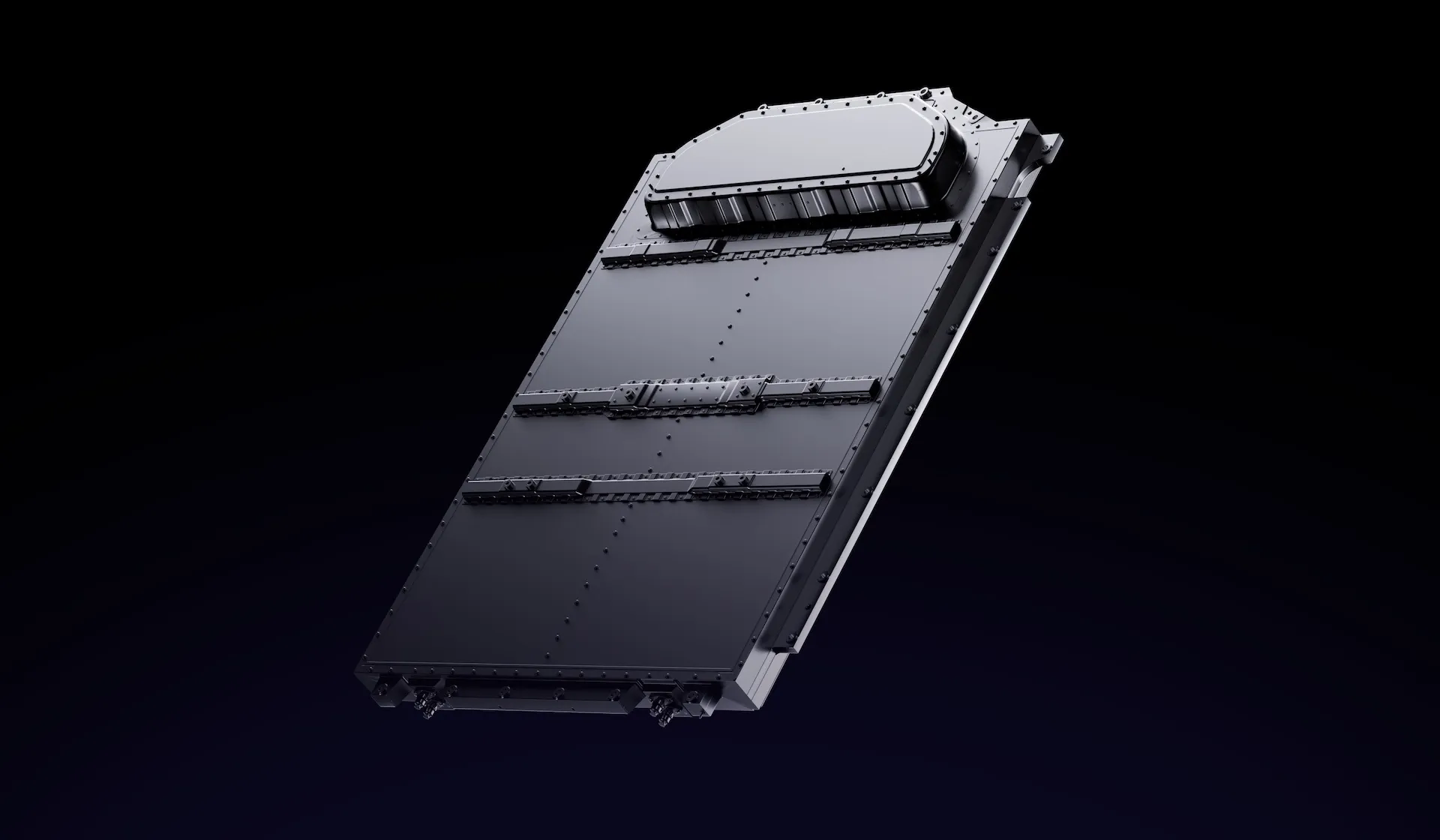

CATL has introduced six new battery and infrastructure products at its Super Technology Day in Beijing, spanning superfast charging, premium long-range, condensed high-density, super hybrid, and sodium-ion chemistries. The lineup is paired with an integrated supercharging and battery-swapping network, which the company describes on its PR Newswire announcement as a unified energy replenishment architecture targeting multiple mobility segments.
Highlights
- Third-generation Shenxing claims a 15C peak charge rate with 90%+ capacity retention after 1,000 cycles
- Third-generation Qilin targets 1,000 km range at 280 Wh/kg cell energy density, with a 625 kg pack
- Qilin Condensed Battery reaches 350 Wh/kg using aviation-grade titanium alloy casing
- CATL plans 4,000 integrated charge-swap stations across 190 Chinese cities by year-end 2026
Shenxing Third Generation Targets Charging-Lifespan Tradeoff
The third-generation Shenxing Superfast Charging Battery addresses the traditional tension between rapid charging and cycle life through thermal management, according to CATL. The company says the cell produces less heat during operation, dissipates it more efficiently, and maintains tighter temperature control than prior generations.
CATL reports an equivalent 10C charge rate with a 15C peak. The company states that charging from 10% to 80% state of charge takes 3 minutes and 44 seconds, and 10% to 98% takes 6 minutes and 27 seconds. At –30°C, charging from 20% to 98% is reported to take roughly 9 minutes when combined with battery self-heating and the company’s charge-swap network.
Third-Generation Qilin Prioritizes Weight Reduction
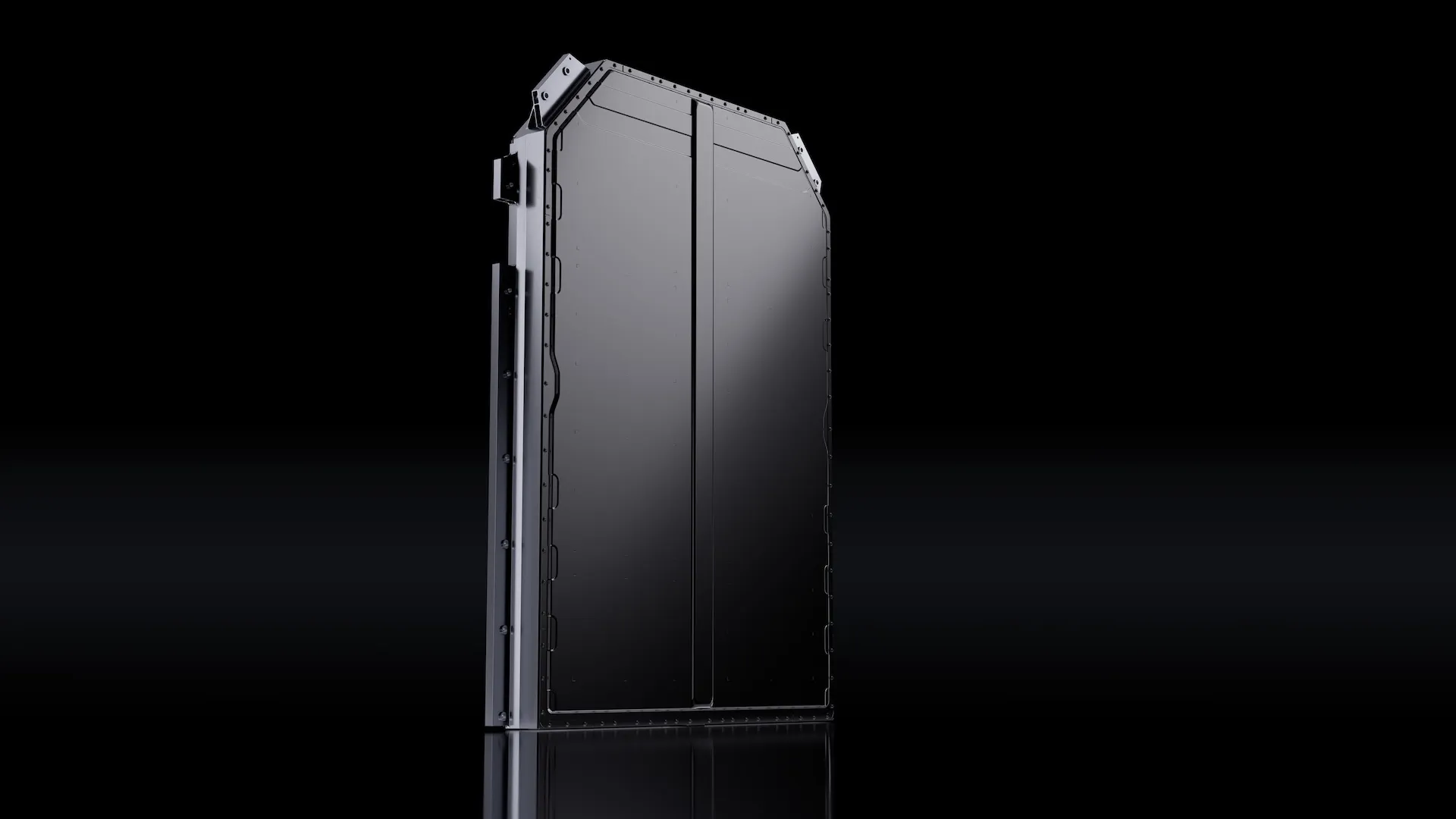
The third-generation Qilin pack is built around a 280 Wh/kg cell energy density and is engineered for premium long-range electric vehicles with up to 1,000 km of range and 10C charging, according to CATL. Peak output is listed at 3 MW, double the 1,330 kW of the prior Nürburgring-tested generation.
Pack weight is quoted at 625 kg, which CATL says represents a 255 kg reduction and 112 liters of space savings versus comparable LFP systems. The company claims this translates to roughly 6% lower energy consumption per 100 km, along with acceleration, handling, and braking-distance improvements. Safety architecture relies on a thermal-electrical separation approach, with each cell using an independent sealed exhaust channel.
Qilin Condensed Battery Sets New Energy Density Record
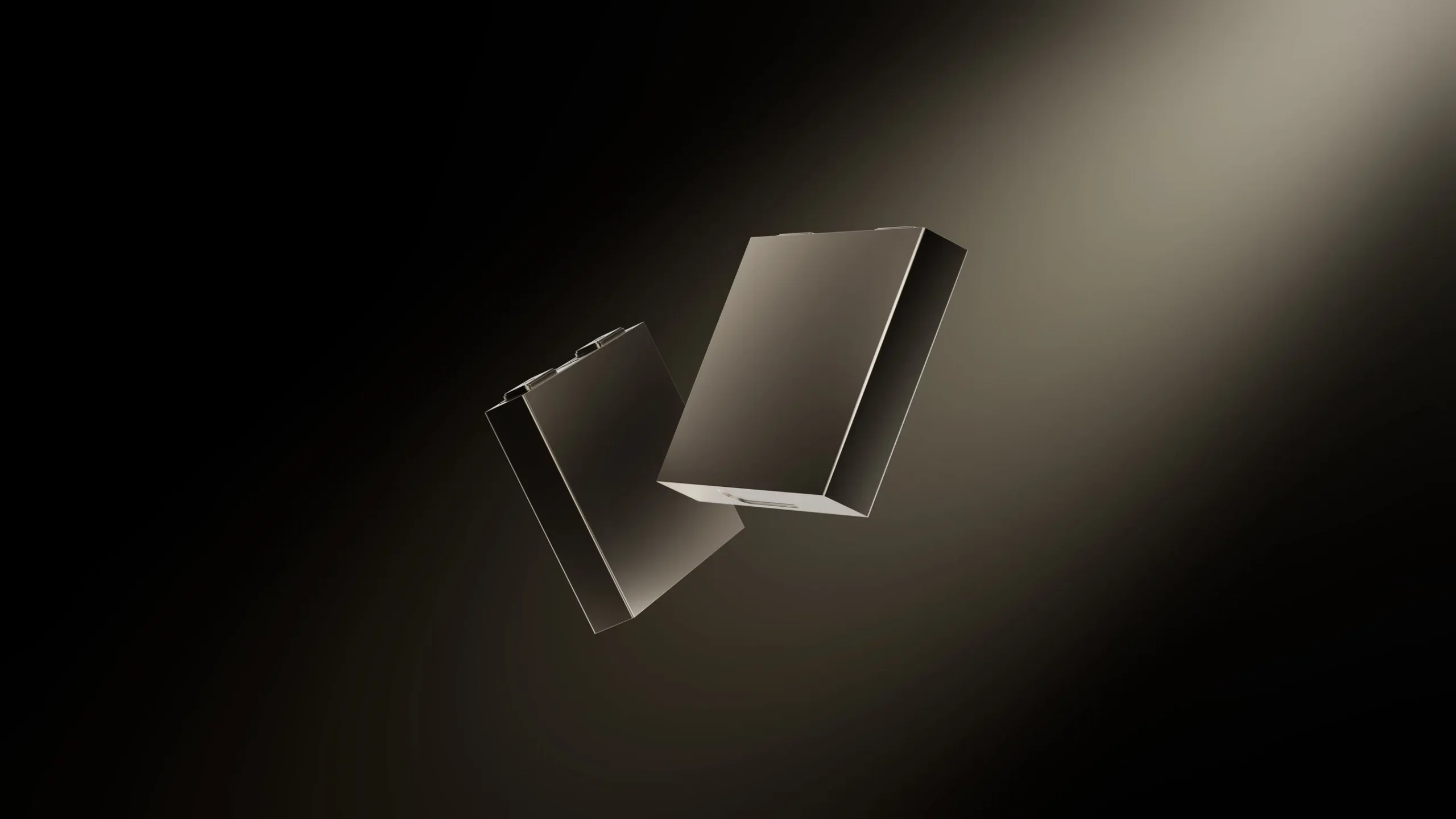
CATL is positioning the Qilin Condensed Battery as the first mass-produced passenger-vehicle battery to apply aviation-grade construction. The company reports 350 Wh/kg cell energy density and 760 Wh/L volumetric density, enabling what it claims is 1,500 km of sedan range with pack weight held to 650 kg.
The cell combines a high-nickel cathode with a low-expansion silicon-carbon anode. CATL says the titanium alloy casing is 60% thinner and 30% lighter than conventional housings while tripling unit strength. A condensed electrolyte system replaces liquid electrolyte, and a composite current collector is designed to act as a self-fusing fuse during internal short circuits.

Freevoy Extends Hybrid Electric Range to 600 km
The second-generation Freevoy Super Hybrid Battery pairs LFP and NCM chemistries through what CATL calls gradient-uniform mixing at the powder particle level. The company reports 230 Wh/kg energy density, with LFP versions delivering up to 500 km of pure-electric range and NCM versions exceeding 600 km.
CATL says the system delivers 1.5 MW at full charge and 1.2 MW at 20% SOC, and its bottom coating is rated to withstand 1,500 joules of impact energy — ten times the Chinese national standard, per the company.

Naxtra Sodium-Ion Reaches GWh-Scale Production
CATL reports that its Naxtra Sodium-ion Battery is transitioning from laboratory development to gigawatt-hour-scale industrialization. The company says it has resolved four production bottlenecks in 2026 — water control, hard carbon gas generation, aluminum foil adhesion, and self-forming anode systems — with full-scale mass production targeted for year-end 2026.
Integrated Charge-Swap Network Expands Choco-Swap Footprint
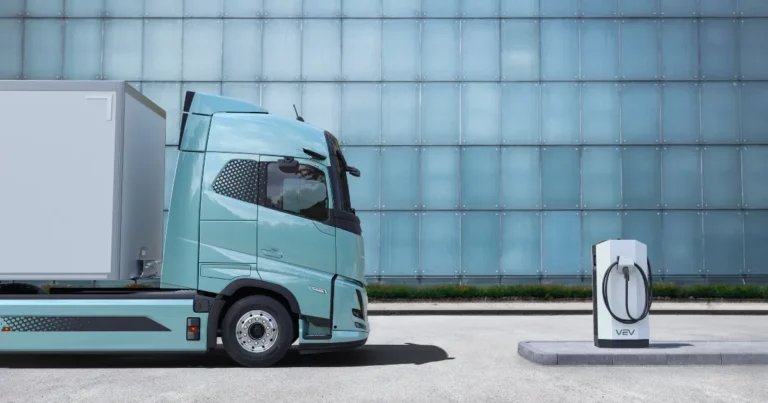
CATL is combining supercharging and battery swapping into a single station architecture, building on its existing Choco-Swap ecosystem. All Choco-Swap passenger and QIJI heavy-truck stations will include Shenxing supercharging systems.
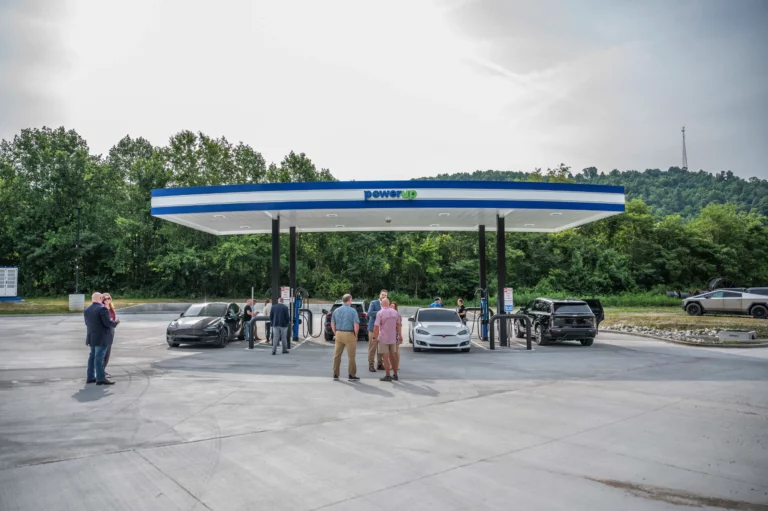
CATL says the integrated design lowers power loss by more than 13 percentage points versus conventional storage-equipped stations and reduces fixed supercharging investment to one-fifth of comparable systems. The company introduced a new Choco-Swap #26 battery with an 800V architecture, starting with a 75 kWh version. CATL plans 4,000 integrated stations across nearly 190 Chinese cities by the end of 2026, with a target of 100,000 shared replenishment facilities through partnerships with Changan, Chery, GAC, Seres, SAIC-GM-Wuling, and BAIC by the end of 2028.
Executive Commentary
Dr. Wu Kai, Chief Scientist of CATL, addressed the company’s multi-chemistry strategy at the event: “Whether from the perspective of differentiated consumer needs, or from the viewpoints of energy security and social development, the lithium-ion battery industry must pursue coordinated development across multiple chemical systems.”
Robin Zeng, Chairman and CEO of CATL, framed the product roadmap in terms of innovation quality: “For Chinese technology to go global, it relies not just on speed and scale, but on the quality of innovation, the ability to validate, and the credibility of the brand.”
Sign up for our popular weekly email to catch all the latest EV news!