

The JD Power 2026 U.S. Electric Vehicle Experience (EVX) Home Charging Study finds rising costs and declining satisfaction among EV owners. Despite 86% of typical EV charging occurring at home, few owners use tools like scheduled charging or utility incentive programs to manage expenses. Tesla ranked highest among Level 2 permanently mounted chargers for the sixth consecutive year.
Highlights
- Average monthly home charging costs rose to $63, up $5 year over year, while cost satisfaction fell 11 points to 687 on a 1,000-point scale
- Only 38% of EV owners always schedule home charging, despite evidence it lowers costs and boosts satisfaction
- Just 12% of EV owners participate in utility smart charging programs, even though 69% are aware of them
- Level 2 permanently mounted chargers report the most problems (44.2 per 100 units) yet score the highest satisfaction (733)
Charging Costs Vary Sharply by Region
EV owners now spend an average of $63 per month on home charging. That figure masks wide regional gaps. New England owners pay the most at $99 monthly, resulting in the lowest cost satisfaction score (552). Meanwhile, Mountain region owners pay just $36 and report substantially higher cost satisfaction (771).
Brent Gruber, executive director of the EV practice at JD Power, said only about 20% of owners received any education on home charging from their purchasing dealer. He noted that automakers, dealers, and utilities all share responsibility for helping owners understand available cost-saving options.
Scheduled Charging Lowers Costs
The study found a clear satisfaction gap between owners who schedule charging and those who do not. Owners who always schedule charging averaged a satisfaction score of 734, compared with 706 for occasional schedulers and 700 for those who never schedule.
Scheduled charging also reduces costs. Among owners who charge during off-peak hours, those who always schedule spent $65 monthly. Those who never schedule spent $71. However, 46% of EV owners reported they never schedule home charging at all.
Smart Charging Adoption Remains Low
Utility-offered smart charging programs use Wi-Fi-connected chargers and vehicle telematics to shift charging to off-peak hours. While 69% of owners know about these programs, only 12% are enrolled. Additionally, just half of EV owners who charge at home said their utility offers variable rates or time-of-day incentives.

Level 2 Mounted Chargers: More Problems, More Satisfaction
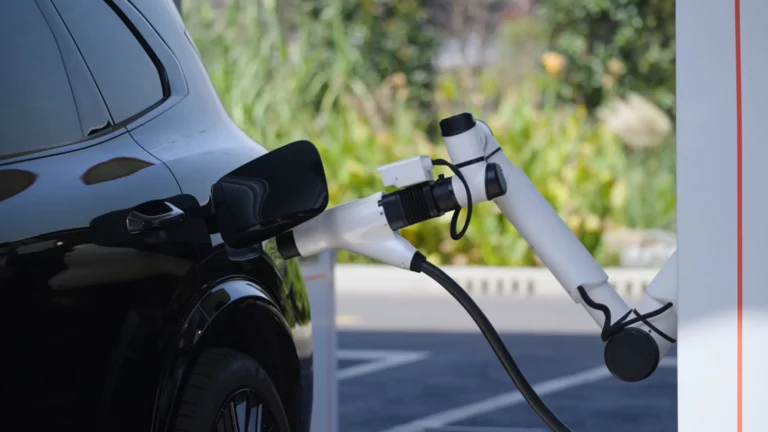
Level 2 permanently mounted chargers remain the most problematic segment at 44.2 problems per 100 units. That figure rose 5.2 points year over year. JD Power attributed the higher problem count to advanced features like Wi-Fi connectivity, mobile apps, and smart charging functions.
However, these chargers still score highest in satisfaction. Gruber said owners of Level 2 systems engage more actively with scheduling and monitoring, which drives higher satisfaction despite connectivity-related issues.
Brand Rankings
In the Level 2 permanently mounted segment, the only award-eligible category this year, Tesla led with a score of 771. Emporia placed second at 761, and ClipperCreek finished third at 760. GRIZZL-E (759), Wallbox (735), ChargePoint (717), and JuiceBox (632) rounded out the rankings.
Study Methodology
The sixth annual study, conducted in collaboration with PlugShare, measures satisfaction across eight factors: charging speed, cord length, cost of charging, ease of use, ease of cable storage, retail price fairness, reliability, and charger size. The 2026 study surveyed 5,399 owners of 2020–2026 model-year BEVs and PHEVs from November 2025 through February 2026.
Sign up for our popular weekly email to catch all the latest EV news!