
Toyota Motor North America, Inc. (Toyota) has announced the first communities to receive DC fast chargers under its “Empact” vision: Baldwin Park and Sacramento, California. In partnership with EVgo, these installations aim to support equitable EV charging access, particularly in underserved communities. The initiative aligns with Toyota’s broader goals of promoting electric vehicle adoption and reducing carbon emissions.
Key Highlights:
- Empact Vision: Toyota’s commitment to equitable EV charging and mobility.
- Partner: Collaboration with EVgo, a major public fast-charging network.
- Locations: Baldwin Park and Sacramento, California.
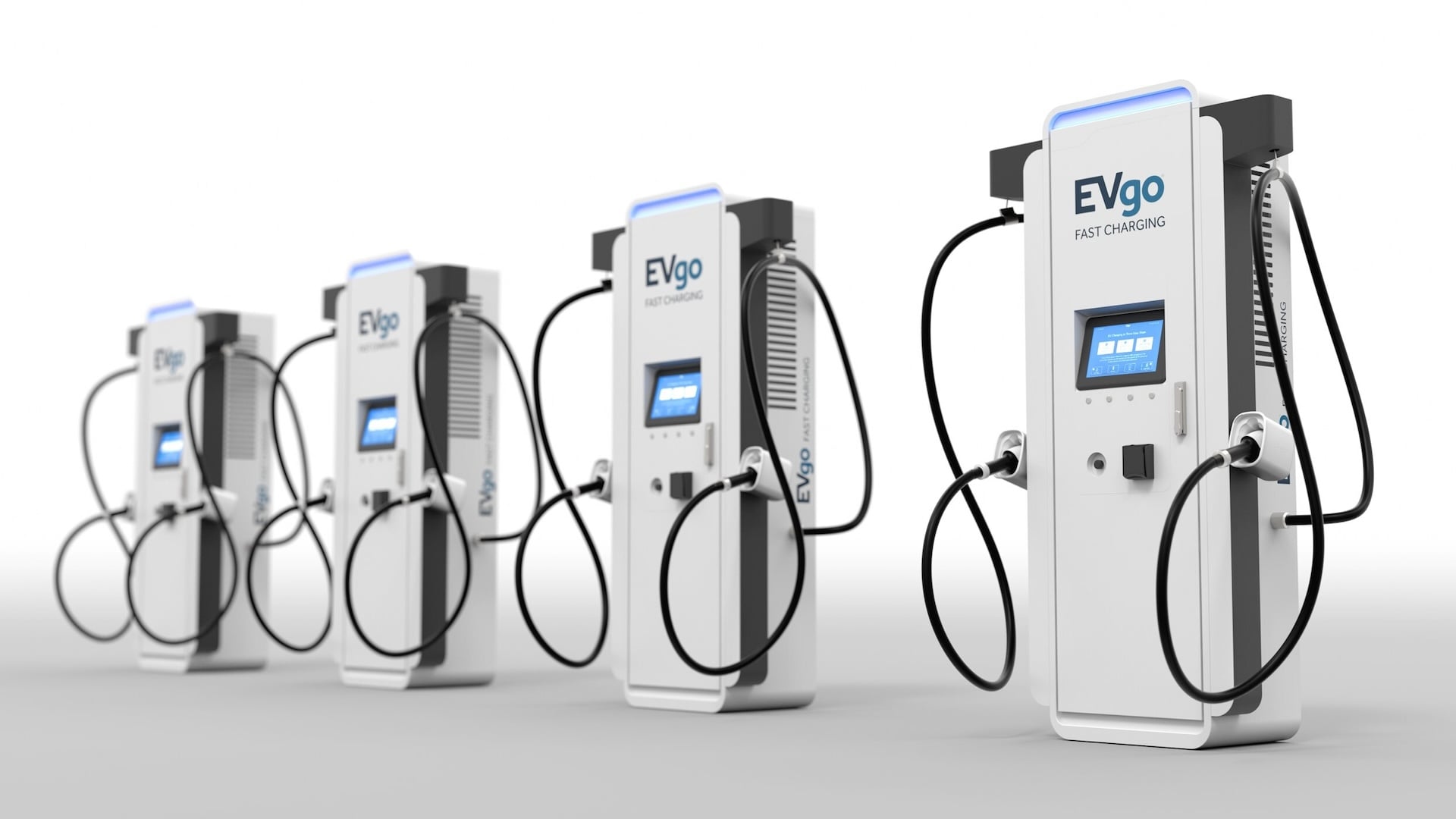
- Charger Specs: High-power 350kW chargers capable of simultaneous charging.
- Operational Date: Expected to be operational in 2025.
- Clean Assist Program: Toyota’s initiative to match residential charging with renewable electricity.
- Criteria for Selection: Sites chosen based on resident income, demographics, air quality, and EV penetration using the CalEnviroScreen tool.
- Community Benefits: Economic and public health improvements, along with enhanced access to charging infrastructure.
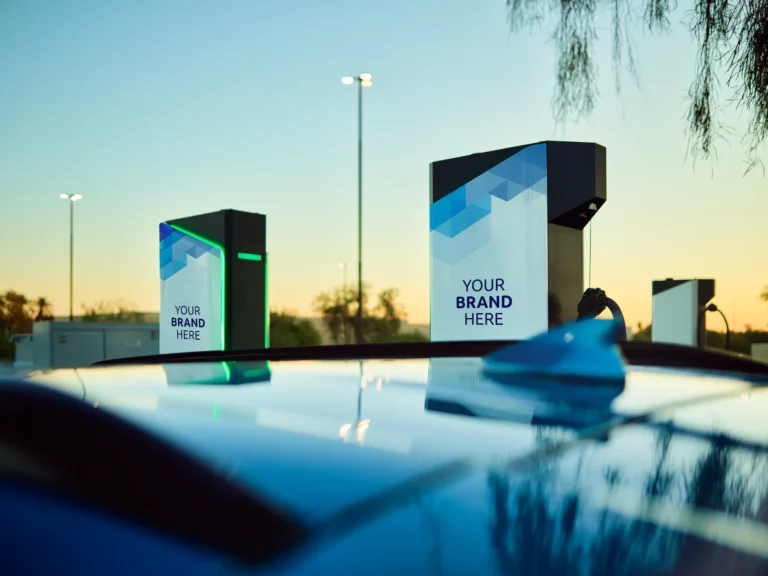
Toyota’s “Empact” vision aims to ensure equitable access to electric vehicle (EV) charging and mobility for all. As part of this initiative, Toyota has partnered with EVgo to deploy eight-stall DC fast charging stations in Baldwin Park and Sacramento, California. These chargers, which boast high-power 350kW capabilities and allow for simultaneous charging, are set to become operational in 2025.
Christopher Yang, group vice president of Business Development at Toyota Motor North America, emphasized the importance of supporting underserved communities in the EV transition: “We want to help ensure these underserved communities are not overlooked in the EV transition, and providing support for these charging facilities helps provide access to those who may not have easy access to home or public charging options.”
Clean Assist Program:
Launched in 2021, Toyota’s Clean Assist program matches residential customer charging with renewable electricity, reducing emissions from EV charging. In California, this program generates revenue from the Low Carbon Fuel Standard (LCFS), which is reinvested into transportation electrification projects, including these new charging stations.
Dennis Kish, President of EVgo, highlighted the importance of expanding public charging infrastructure: “Expanding access to public charging infrastructure is critical to our mission of accelerating the mass adoption of EVs. We are proud to partner with Toyota to build new fast charging resources that will support the equitable distribution of charging infrastructure in the Golden State.”
Site Selection and Benefits:
The cities selected for these installations, Baldwin Park and Sacramento, were chosen using the CalEnviroScreen tool, based on factors like resident income levels, demographics, air quality, and expected EV penetration. Both communities are poised for significant EV growth and will benefit from the additional DC fast charging stations.
In Sacramento, the new chargers will be installed near Arden Fair Mall, a high-traffic area close to the freeway with various dining, shopping, and recreational options. Councilmember Eric Guerra expressed enthusiasm for the project, stating, “We’ll continue to look for ways to reduce carbon emissions and I’m proud of the work our region is doing to meet our air quality goals.”
The Baldwin Park charging station will be located less than a mile off Interstate 10, providing convenient access to amenities like a grocery store and nearby restaurants. Senator Susan Rubio noted the broader benefits of the project: “Investing in public charging not only supports EV drivers, it also benefits everyone in our community by encouraging zero emissions travel in an area that has experienced historically poor air quality.”
Bottom Line:
Toyota’s Empact Vision underscores its dedication to supporting local communities and promoting the transition to electrification. This initiative is a step towards ensuring that no one is left behind in the fight against carbon emissions. For more information on Toyota’s electrified vehicle offerings, please visit www.Toyota.com/electrified.
About Toyota:
Toyota, known for its Prius hybrid and Mirai fuel cell vehicle, is dedicated to building vehicles for modern lifestyles through its Toyota and Lexus brands. The company employs over 63,000 people in North America and has assembled nearly 47 million cars and trucks over the past 65 years. By 2025, Toyota’s 13th plant in North Carolina will begin manufacturing automotive batteries for electrified vehicles. Through its extensive dealership network, Toyota sold over 2.6 million cars and trucks in North America in 2023, with more than one quarter being electrified vehicles.
Sign up for our popular weekly email to catch all the latest EV news!