

Workhorse Group and InCharge Energy will launch a joint customer support program in the fourth quarter of 2026, giving commercial fleet operators a single point of contact for issues spanning vehicles, charging hardware, and software. The program operates under the Workhorse brand but draws on InCharge’s field technicians, Support Operations Center, and software platform. It targets a recurring pain point for early fleet electrification: diagnosing whether a problem originates with the truck, the charger, or the systems connecting them.
Highlights
- Service launches in Q4 2026 across North America, with a toll-free number distributed to Workhorse customers and dealers ahead of rollout
- Tickets route to one of three destinations: a Workhorse regional field technician, an authorized dealer, or the relevant third-party hardware or software provider
- Workhorse has delivered more than 1,100 vehicles to date, accumulating over 20 million real-world miles across customer fleets
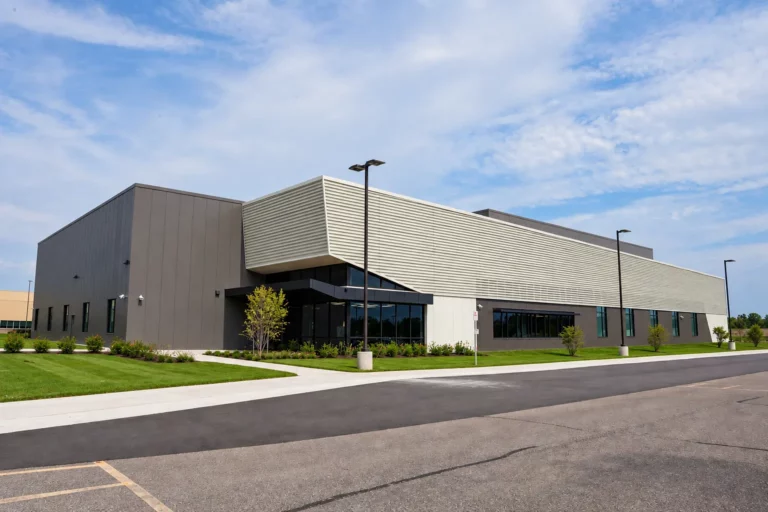
- Union City, Indiana plant has annual capacity of 5,000-plus vehicles on a single shift
How the Support Model Works
Specialists trained on Workhorse vehicles and the broader commercial EV ecosystem handle the initial assessment. From there, the ticket is routed based on the source of the issue. Vehicle problems go to a Workhorse regional field technician. Issues involving upfits or aftermarket components route to the customer’s authorized Workhorse dealer. Anything tied to charging equipment, telematics, or other external hardware and software is handed to the relevant third-party provider.
The single-call structure is designed to keep Workhorse aware of field issues regardless of where they ultimately resolve. That visibility matters for an OEM still scaling its installed base, where pattern recognition across early deliveries can shape engineering and service decisions.
Why the Diagnostic Layer Matters
Fleet electrification remains early enough that fault isolation is genuinely difficult. A vehicle that won’t accept a charge could point to the truck’s onboard charger, the charging hardware, the site’s electrical infrastructure, a communications protocol mismatch, or a software setting on either side. Sorting that out without expertise on both sides of the connector typically means multiple vendor calls, finger-pointing, and downtime — the metric fleet operators care about most.
InCharge brings hardware-and-software fluency across the charging side. The company has previously deployed its 19.2 kW Dual ICE-80A Level 2 charger for fleet applications and partnered with DLL on financing-and-maintenance bundles aimed at lowering total cost of ownership. The Workhorse arrangement extends that service-and-maintenance posture to vehicle-side troubleshooting under another OEM’s brand — a model uncommon in commercial EV.
Executive Commentary
Scott Griffith, CEO of Workhorse, said: “Major fleet operators expect not only a great truck, but OEM-grade customer service. This partnership is a direct response to that expectation. We’re putting it in place now so we can scale it in concert with our growth, ensuring our customers never feel a gap.” Griffith added that the company projects significant growth in deployed Workhorse vehicles by year-end 2026 based on deals announced earlier in the year.
Rich Mohr, CEO of InCharge Energy, said: “Fleet operators don’t need another call center: they need expertise and accountability. Our team brings together people, platforms, and operations into one coordinated model. By powering Workhorse customer support with our field technicians, Support Operations Center, and an advanced software platform, we’re helping customers move past complexity and get back to operating their fleets.”
Context for Fleet Operators
Commercial EV adoption has produced a fragmented support landscape, with fleet managers often coordinating across separate vendors for vehicles, depot charging, networked software, and energy services. Recent industry moves — including Octopus Energy’s Octopus Fleet platform consolidating UK fleet charging services and EO Charging’s Genius Fleet lifecycle service — point to consolidation as a competitive answer. The Workhorse-InCharge model differs in pairing an OEM directly with a charging-and-services provider rather than bundling under a single vendor’s roof.
For Workhorse, scaling support before delivery volumes climb addresses a well-known weakness in commercial EV: fleets that pilot a handful of trucks may tolerate vendor coordination, but those scaling to dozens or hundreds will not.
Sign up for our popular weekly email to catch all the latest EV news!