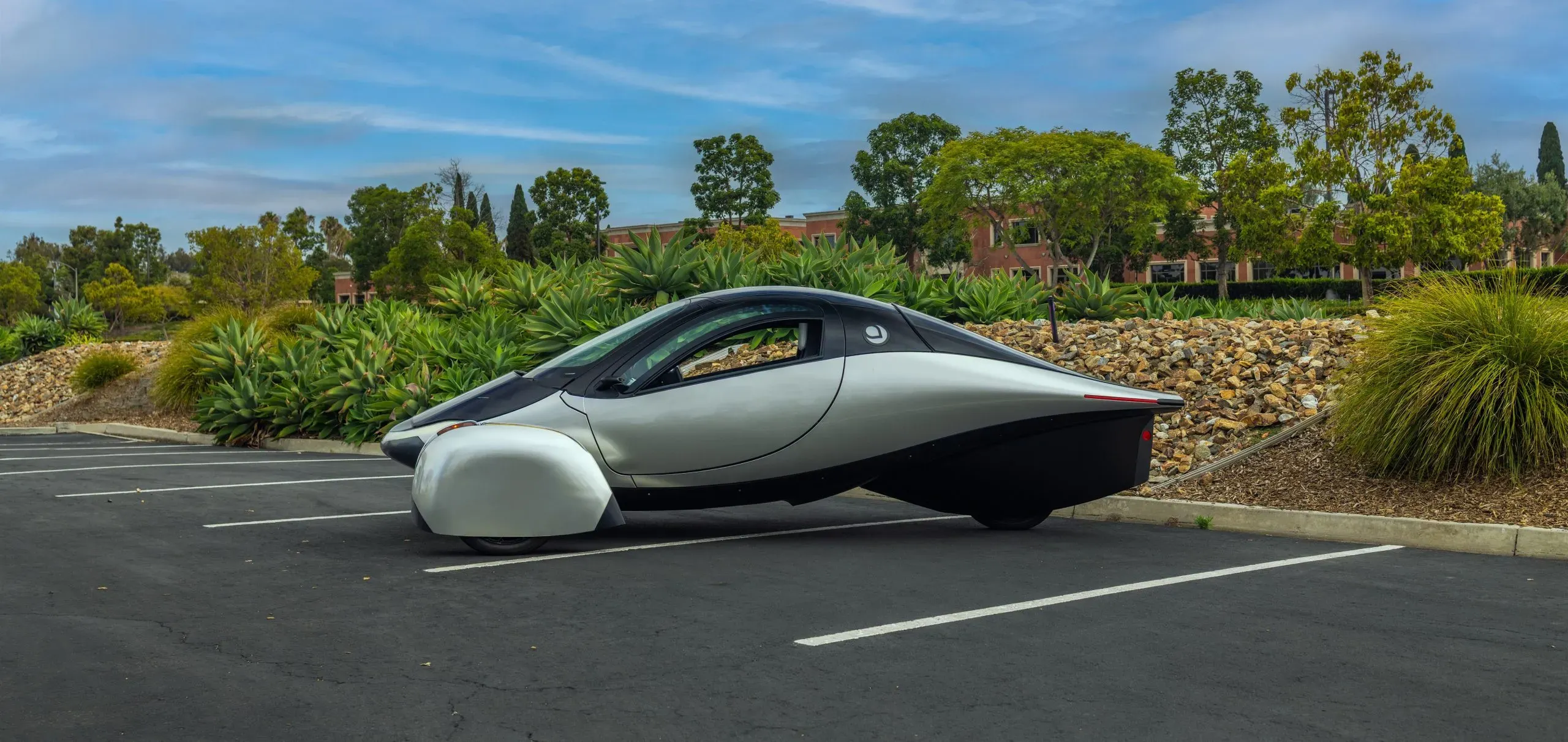

Aptera Motors recorded more than 4 kilowatt-hours (kWh) of daily solar energy generation on a production-intent validation vehicle in Southern California, topping out at 4.42 kWh in a single day. The solar electric vehicle maker (Nasdaq: SEV) said this week that the result marks an internal validation milestone — the first time it has registered the metric under real-world conditions rather than through simulation or panel testing. Based on Aptera’s efficiency design target of 100 watt-hours per mile, that day’s output was enough to travel up to 44 miles on solar power alone. The company published a multi-day breakdown of solar data from its testing, alongside an accompanying video.
Highlights
- Daily solar generation exceeded 4 kWh, peaking at 4.42 kWh under real-world Southern California conditions.
- At Aptera’s 100 watt-hour-per-mile efficiency target, that output equals up to 44 miles of solar-powered driving in one day.
- The figure was logged on a production-intent validation vehicle, the first to register the metric outside simulation and panel testing.
- A third-party laboratory has been engaged to formally validate and rate the solar system, with testing set within the next month.
A First Under Real-World Conditions
The result validates a thesis and objective Aptera had previously set through simulation and panel testing. For the first time, a production-intent validation vehicle registered the metric in real-world use, peaking at 4.42 kWh of total daily generation. Measured against the company’s efficiency design target of 100 watt-hours per mile, that translated to up to 44 miles of driving from solar energy on the day in question.
“For years, we’ve said solar can meaningfully contribute to everyday transportation,” said Steve Fambro, Co-Founder and Co-CEO of Aptera. “These results exceeded our expectations and demonstrate what’s possible when solar technology is integrated into a vehicle designed from the ground up for efficiency.”
How Does Aptera Capture Solar Energy?
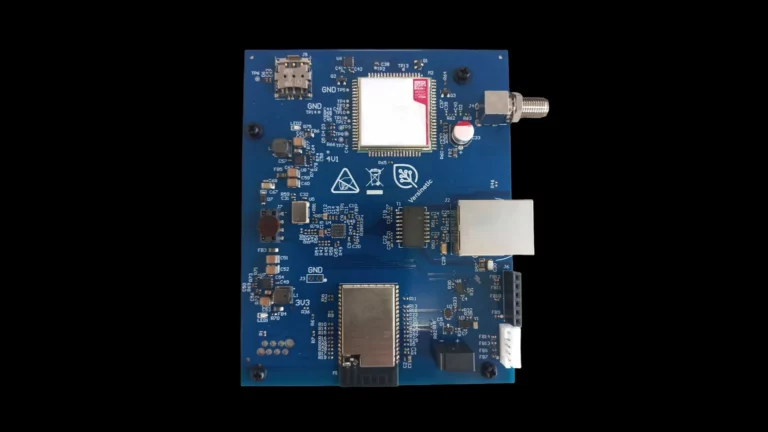
Central to the system is a custom solar charge controller with multiple independent channels that continuously optimize energy collection across the vehicle. Aptera designed and built the system in-house, spanning the compound-curved panel architecture, the proprietary charge controller and its custom firmware, and the vehicle’s power distribution architecture. The company says owning the full stack allowed it to optimize every layer at once and validate the system as a complete unit.
Independent Validation Ahead
To provide outside verification, Aptera has engaged a third-party laboratory to formally validate its solar system and rate its performance. That testing is scheduled to take place within the next month, with results to be shared on completion. The company framed the result as advancing its vehicle validation program ahead of customer deliveries.
Sign up for our popular weekly email to catch all the latest EV news!