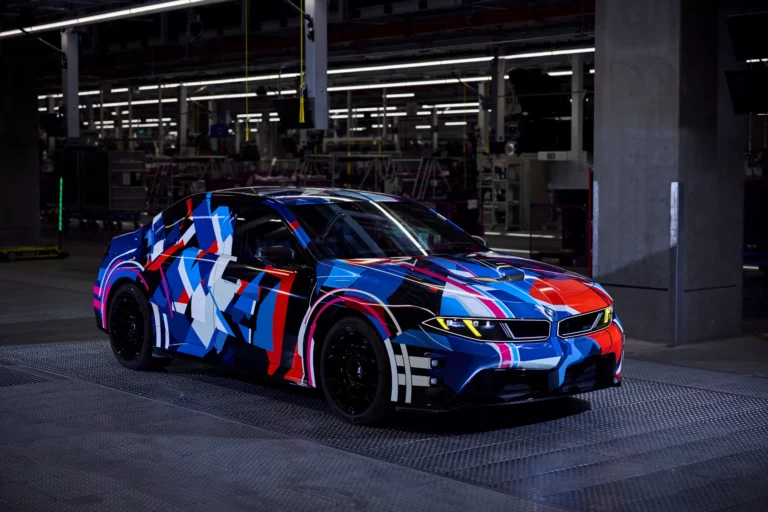

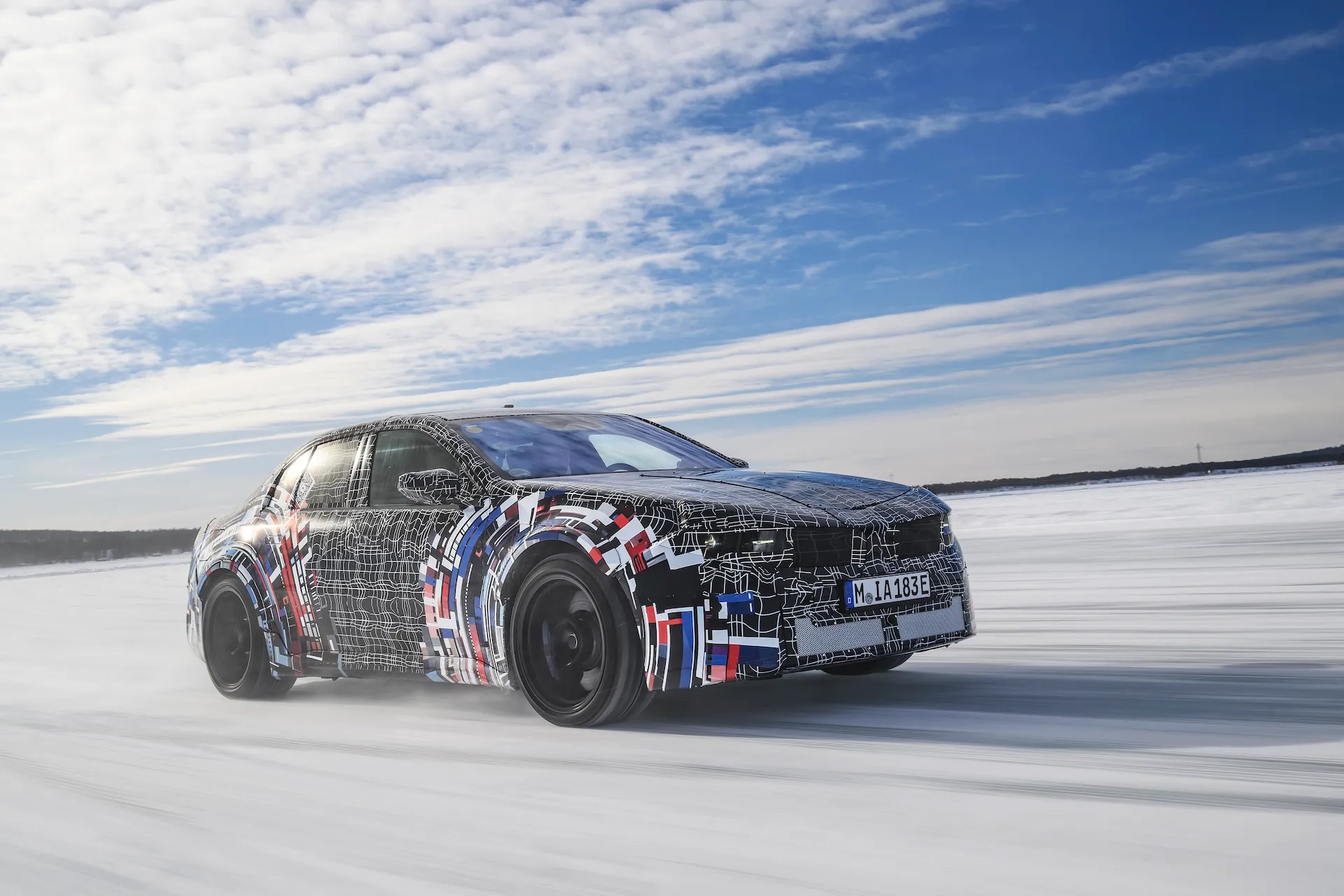
BMW M GmbH has released technical specifications for its upcoming generation of fully electric high-performance vehicles, scheduled to launch in 2027. The new models will utilize the Neue Klasse technology platform to transition the brand’s driving characteristics to an electric drivetrain.
Highlights
- Production Timeline: Series production of the fully electric high-performance models begins in 2027.
- Quad-Motor Layout: A four-motor system provides individual wheel drive and torque vectoring.
- Battery Specs: The structural high-voltage battery offers over 100 kWh of usable energy.
- Material Science: Natural fiber elements will replace carbon fiber in specific applications to reduce emissions.
Electric Drivetrain Configuration
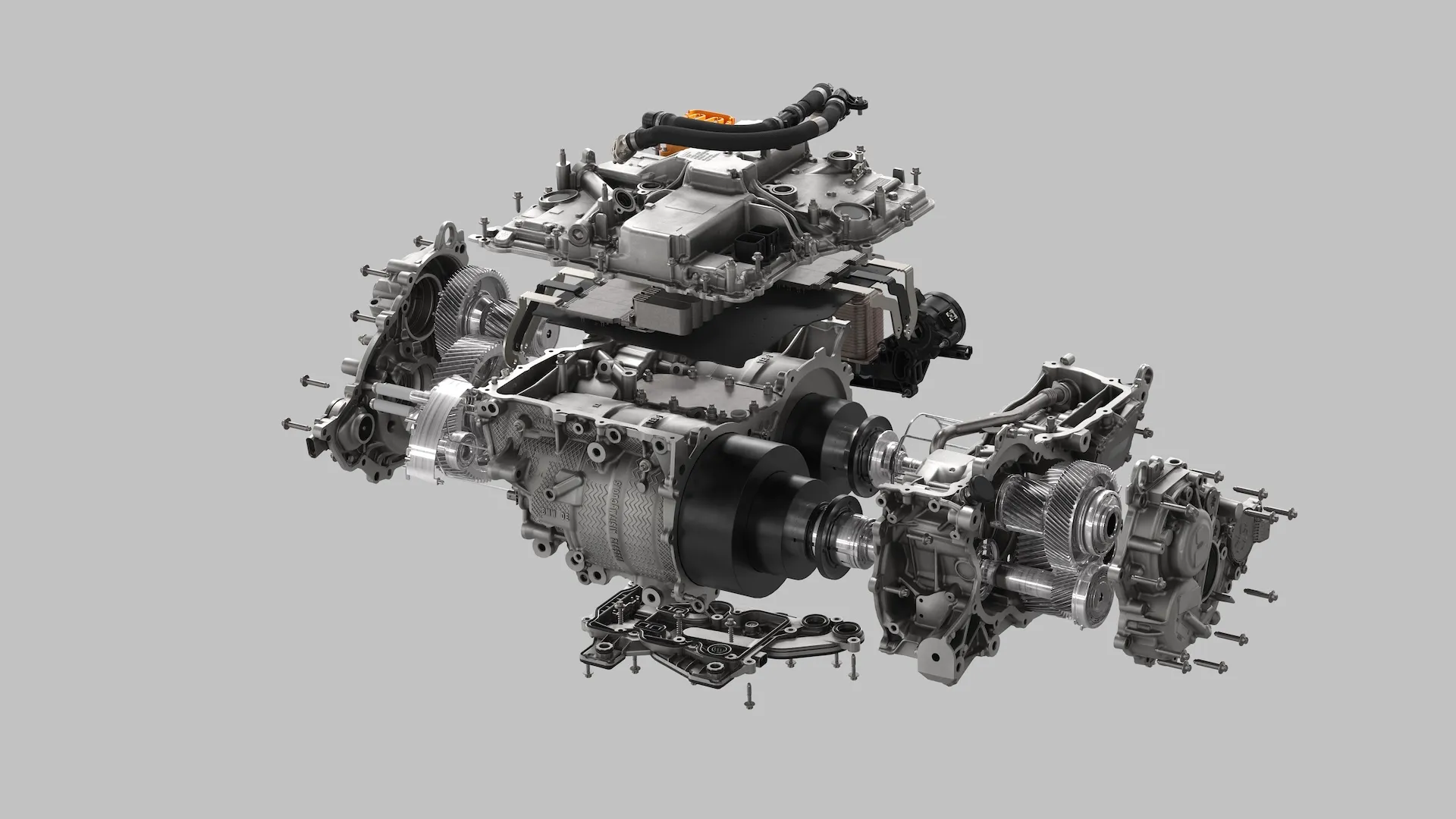
The core of the new architecture is the BMW M eDrive system, which is derived from the BMW Gen6 technology of the Neue Klasse. This platform features a quad-motor setup where two electric drive units are positioned on the front and rear axles.
Each of the four electric motors drives a single wheel, allowing for independent control. The drive units integrate the electric motors, oil supply, and inverter into a compact assembly. These units utilize a parallel motor arrangement, delivering power to one gearbox per wheel.
Dynamic Performance Control
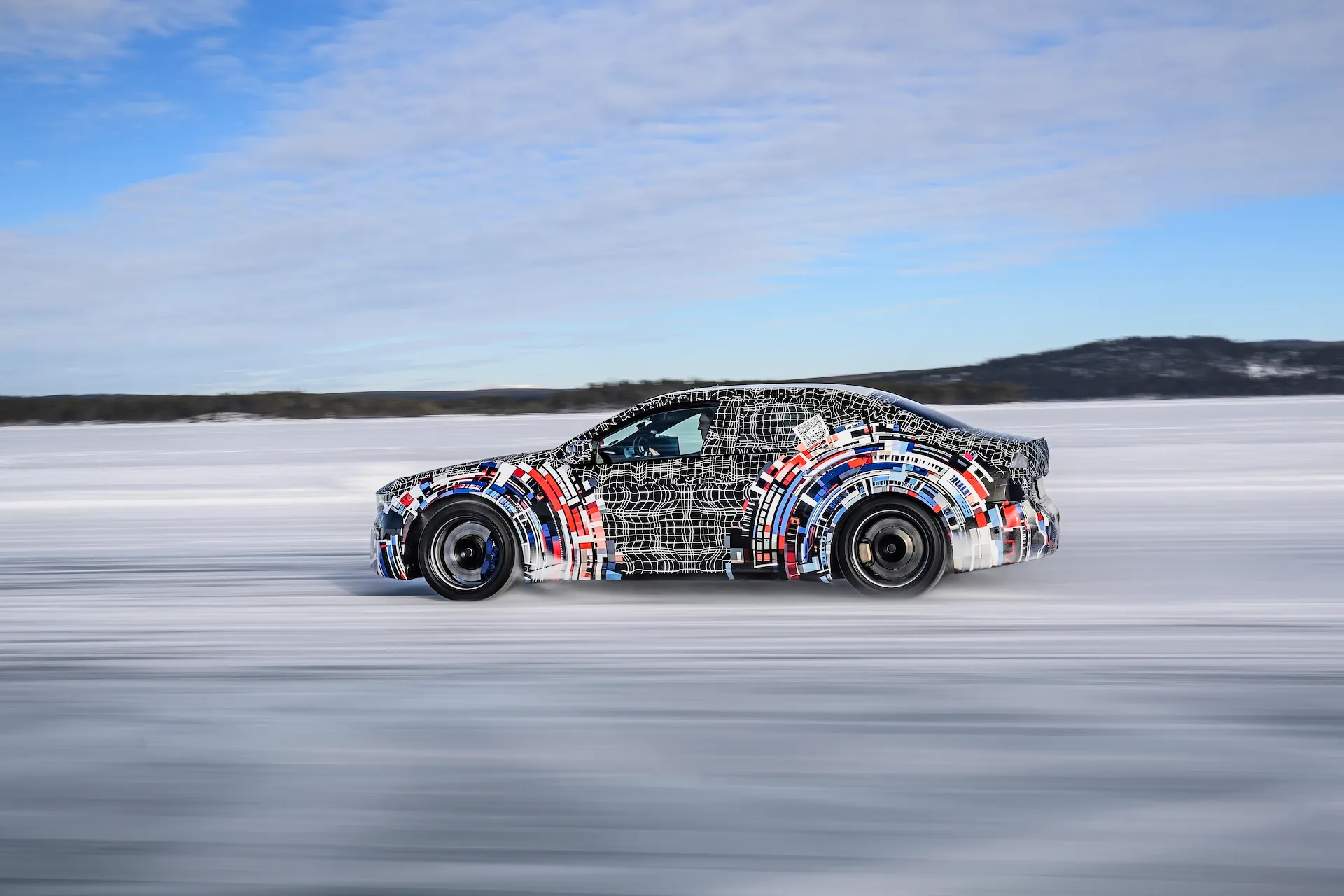
BMW M has developed a centralized control architecture to manage driving dynamics. Four high-performance computers, termed “Superbrains,” consolidate processing power for automated driving, infotainment, and dynamics. The specific system managing the chassis is referred to as the “Heart of Joy”.
System capabilities include:
- Torque Vectoring: Precise control of torque and power at each individual wheel to optimize traction.
- Axle Decoupling: The front axle can completely decouple to simulate rear-wheel drive characteristics and increase range.
- Recuperation: Continuous torque distribution between the electric motors and braking system maximizes energy recovery.

Battery and Structural Integration
The high-voltage battery is engineered specifically for high-performance applications using a “Design to Power” approach. It features performance-optimized Gen6 cylindrical cells and provides over 100 kWh of usable energy.
The system utilizes 800-volt technology to facilitate rapid charging and high-efficiency recuperation. The battery pack’s housing serves as a structural component of the vehicle chassis, connecting directly to the front and rear axles. This integration increases overall vehicle stiffness, contributing to improved driving dynamics.

Lightweight Material Implementation
For the upcoming model generation, BMW M will introduce natural fiber elements into the vehicle structure for the first time. This follows testing and validation in motorsport applications since 2019.
The manufacturer states that these natural fiber materials offer properties similar to carbon fiber regarding durability and production integration. However, the production of these components generates approximately 40 percent less CO2e compared to traditional carbon fiber manufacturing.
Learn moe at BMW Group.
Sign up for our popular weekly email to catch all the latest EV news!