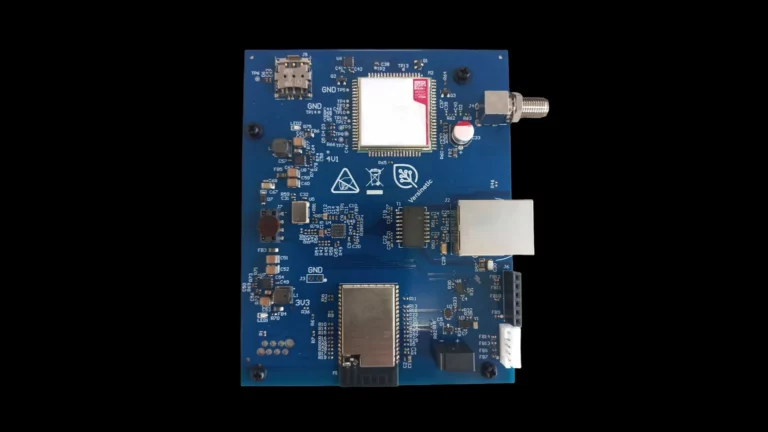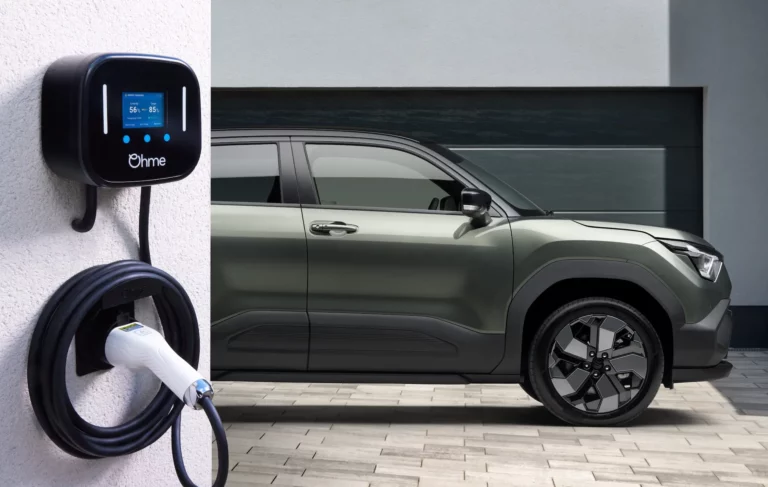


HEVO Inc. and Fleet Tracking Technologies Co., Ltd. (FTT) have signed a memorandum of understanding to deploy HEVO’s Rezonant wireless charging hardware and Journey software platform across Saudi Arabia and the broader Middle East and Africa region. The Brooklyn-based wireless charging supplier and Al Khobar-based fleet telematics firm announced the partnership on May 21, 2026, with a stated target of the first commercial deployment within 12 months of the MOU’s effective date. The agreement also contemplates a potential strategic equity investment in HEVO by FTT or its affiliates, structured around agreed commercial milestones.
Highlights
- Deployment window: First commercial deployment targeted within 12 months of the MOU effective date, following site visits, a distribution and integration term sheet, regulatory coordination, and pilot-site confirmation.
- Regional reach: Saudi Arabia plus the broader Middle East and Africa region, leveraging FTT’s vendor registrations with major industrial operators in the Kingdom through its affiliate Al-Khodari Industrial Trading & Services (KITS).
- Technology stack: UL-certified and SAE-qualified Rezonant wireless charging hardware paired with the Journey software platform for telematics integration and depot workflow automation.
- Investment structure: Potential FTT equity investment in HEVO tied to commercial-milestone achievement, with no dollar figure disclosed.
Partnership Scope and Workstreams
Under the MOU, HEVO and FTT will pursue regional distribution and integration of the Rezonant hardware and Journey platform, joint engineering on telematics integration, API alignment, depot workflow configuration, and operator-specific customization. The companies will also coordinate commercial engagement with logistics fleets, OEMs, and autonomous vehicle developers, jointly pursue regulatory approvals required for wireless charging deployment in the Kingdom, and co-develop customer-specific hardware or software variants where commercially justified.
A milestone-based roadmap accompanies the MOU. It covers joint site visits, execution of a distribution and integration term sheet, initiation of regulatory coordination, confirmation of a pilot site, and commencement of the first commercial deployment within 12 months of the MOU’s effective date. The companies have also identified, but not named, a globally recognized industrial or energy enterprise operating in the Kingdom that they intend to engage as the flagship regional reference installation.
The collaboration formalizes the relationship as a memorandum of understanding rather than a definitive distribution and integration agreement. HEVO and FTT describe the term sheet and definitive agreement as a downstream milestone on the roadmap.
Why FTT Brings Saudi Market Access
FTT holds certification issued by the Transport General Authority (TGA), maintains integration with the WASL Platform — the Saudi government’s mandatory fleet telematics framework — and carries vendor registrations with leading energy, utilities, and infrastructure organizations in the Kingdom through its KITS affiliate. The company sells SaaS and hardware products and offers API-first telematics integration aimed at large-scale fleet modernization and electrification programs.
For HEVO, the regulatory positioning is the harder of the two assets to replicate. Saudi wireless charging deployment will require Kingdom-specific certifications, and FTT’s existing vendor registrations and TGA standing provide a procurement path into industrial operators that an outside supplier would otherwise need years to establish.
How Does HEVO’s Fleet Strategy Differ From Its Passenger-Car Peers?
The Saudi MOU lands roughly two weeks after HEVO outlined a commercial-fleet wireless charging strategy at ACT Expo 2026 in Las Vegas, where the company disclosed early-stage manufacturability discussions with Foxconn Interconnect Technology. The fleet positioning differentiates HEVO from passenger-car wireless systems now reaching production at automakers including Porsche, whose Cayenne Electric offers an 11 kW wireless charging option from the factory. HEVO’s commercial pitch centers on depot vehicles, delivery vans, and autonomous platforms, where labor savings and connector durability scale across many vehicles rather than serving a single driver.
The Saudi opportunity sits inside a broader Kingdom electrification push. Vision 2030 targets 30% electric vehicle adoption in Riyadh by 2030, and other charging suppliers — including XCharge’s GridLink battery-integrated systems with Electromin — have entered the market through similar partnerships with established Saudi infrastructure operators.
Executive Commentary
HEVO Founder and CEO Jeremy McCool framed the partnership around regional readiness for fleet electrification and autonomous mobility.
“Saudi Arabia and the broader Middle East are entering a decisive phase of fleet electrification and autonomous mobility. FTT’s regulatory position, operator relationships and deep telematics expertise make them an ideal partner for regional deployment of our Rezonant™ wireless charging hardware and Journey™ platform. Together we will deliver automated, resilient and operator-ready charging solutions that accelerate EV and AV adoption across the region.”
FTT Chief Executive Officer Hazem Saleh tied the agreement to the operational requirements of the company’s existing customer base.
“HEVO’s technology is a natural fit for the operational needs of our customers. Wireless charging, automated depot workflows and integrated telematics are essential to the next generation of fleet operations in the Kingdom. This partnership positions us to bring advanced, market-ready solutions to industrial operators, logistics fleets and emerging autonomous vehicle programs.”
Sign up for our popular weekly email to catch all the latest EV news!