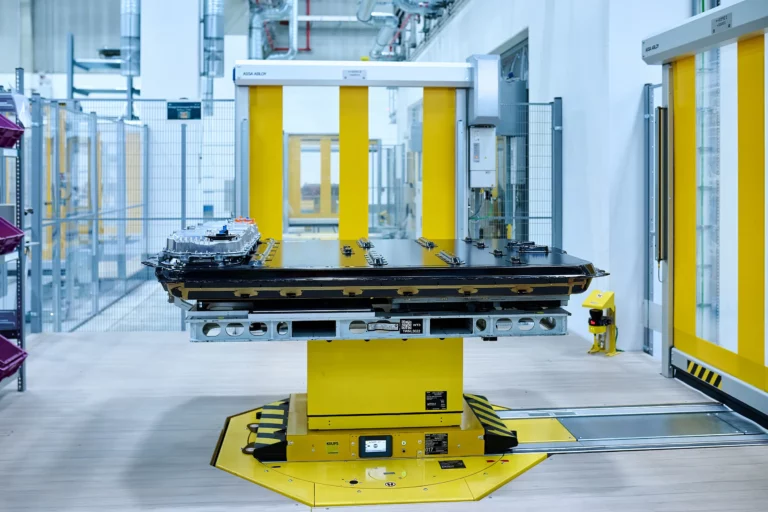

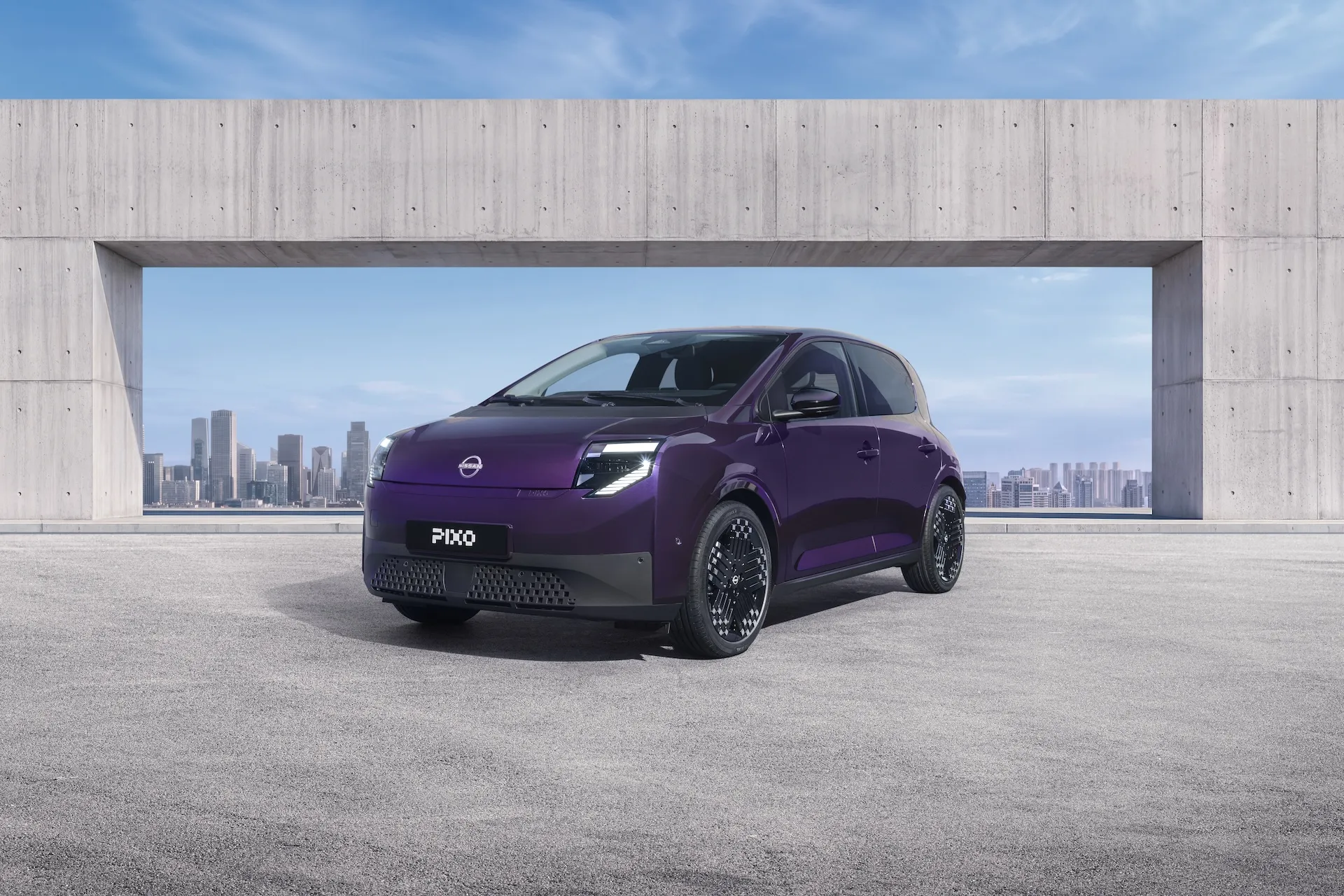
Nissan’s all-new PIXO electric city car delivers 161 miles (259 km) of WLTP range from a 27.5 kWh lithium iron phosphate (LFP) battery, with 50 kW DC fast charging standard across the range. Nissan unveiled the A-segment PIXO this week as a small EV developed specifically for European towns and cities. The company says the LFP pack is the first of its kind fitted to a Nissan model in Europe. Customer deliveries are scheduled to begin in early 2027.
Highlights
- Range: 161 miles (259 km) WLTP from a 27.5 kWh LFP battery, Nissan’s first LFP pack in a European model
- Charging: 50 kW DC fast charging standard on all grades, recharging from 15% to 80% in approximately 28 minutes
- Cargo: 12.6 cubic feet (356 liters) of trunk space with the rear seats up, expanding to 43.1 cubic feet (1,221 liters) with them folded
- Production: Built by Renault at its Novo Mesto, Slovenia, facility, with pricing and pre-order details due from December
How Far Can the Nissan PIXO Drive on a Charge?
The PIXO’s 161-mile (259 km) range is measured on the European WLTP cycle, which is not directly comparable to EPA ratings. Nissan says the range covers typical urban use, from school runs and shopping trips to weekend outings.
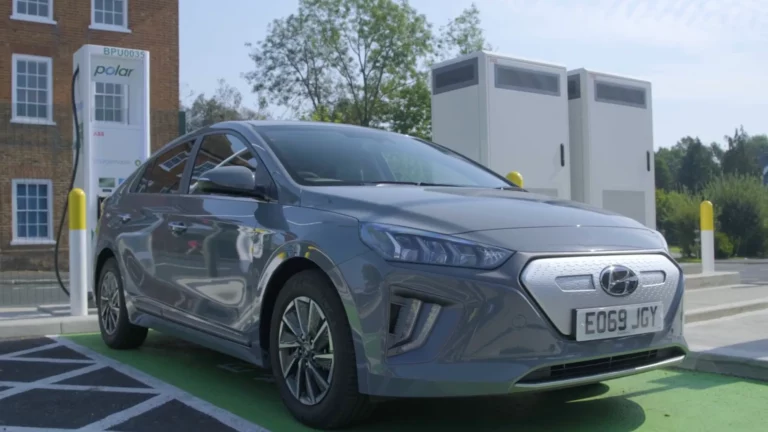
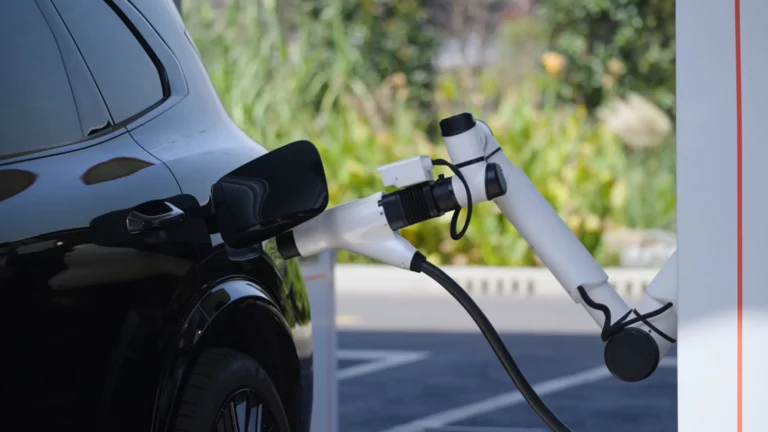
The 50 kW DC fast charger is fitted as standard on every grade and takes the battery from 15% to 80% in 28 minutes, according to the company. An 11 kW AC onboard charger handles home and workplace charging, and the specification sheet lists the AC system as bi-directional. Nissan positions the LFP chemistry as a way to make the PIXO accessible for first-time EV buyers.
Compact Dimensions and Cargo Space
The PIXO measures 149.4 inches (3,796 mm) long and 70.5 inches (1,790 mm) wide without mirrors. It seats up to four adults, and independent rear sliding seats let owners trade legroom for cargo space.
Storage figures include:
- In-cabin storage: 0.6 cubic feet (18 liters)
- Trunk, rear seats raised: 12.6 cubic feet (356 liters), including 1.8 cubic feet (50 liters) of cable storage
- Trunk, rear seats folded: 43.1 cubic feet (1,221 liters)
Nissan claims the trunk capacity leads the PIXO’s class.
Exterior Design
The PIXO introduces a new interpretation of Nissan’s design language for compact EVs, built on cube-inspired proportions and clean surfaces. Pixel-inspired lighting and a “robot face” front bumper define the front end. Hidden “23” Easter eggs appear throughout the design, since 2-3 reads as “Ni-San” in Japanese. Launch colors include Wonder Purple and Gear Blue.
Masato Koyama, lead exterior designer at Nissan Global Design, said:
“PIXO proves that great things can come in small packages. Its compact dimensions make it a natural fit for Europe’s cities, but we’ve worked hard to maximise the space within them, creating a cabin that feels open, practical and surprisingly roomy. I can’t wait to see how our customers embrace this bold and fun new EV – that is perfectly suited to urban environments.”
Gemini and Connected Technology
Google’s Gemini assistant is available at launch in 16 languages and dialects. It handles navigation, entertainment, and communication through natural voice interaction, and it uses conversation history to learn driver preferences over time.
Other connected features include:
- Google built-in: Navigation, real-time route planning, and connectivity
- MyNissan app: Remote management of charging and vehicle functions
- Face ID: Recognizes the driver and loads personalized settings automatically
- Displays: A 7-inch driver display and a 10-inch infotainment touchscreen
Powertrain and Driver Assistance
The electric motor produces a maximum of 60 kW. A 32.5-foot (9.9 m) turning circle suits the PIXO to narrow streets and tight parking.
Standard driver assistance includes adaptive cruise control with stop-and-go capability, Lane Departure Warning, and Hands-Free Parking. One Pedal technology lets the driver start, accelerate, decelerate, and stop using only the accelerator pedal in stop-and-go traffic.
Clíodhna Lyons, vice president of product, brand and marketing strategy at Nissan AMIEO (Africa, Middle East, India, Europe and Oceania), said:
“We believe the future of electric mobility isn’t about building bigger vehicles with more technology, it’s about building smarter vehicles that fit naturally into people’s lives. PIXO has been designed specifically for Europe and specifically for our cities, delivering everything customers need from an EV, without unnecessary complexity.”
“As fuel costs continue to rise, our focus remains simple: giving customers practical alternatives that help reduce the cost of every journey. Whether through our rapidly expanding EV line-up or our highly efficient e-POWER Hybrid technology, Nissan is delivering electrified solutions that lower running costs without compromising convenience.”
Production and Availability
Nissan designed the PIXO, and long-standing partner Renault will manufacture it at Renault’s Novo Mesto, Slovenia, facility. The PIXO joins the recently launched third-generation LEAF and the all-electric MICRA in Nissan’s European electric lineup.
Customer deliveries are scheduled to begin in early 2027. Pricing, market specifications, and pre-order information will be announced from December onward.
Nissan PIXO Specifications
| Specification | Imperial | Metric |
|---|---|---|
| Overall length | 149.4 in | 3,796 mm |
| Wheelbase | 98.1 in | 2,492 mm |
| Height (unladen) | 59.5 in | 1,512 mm |
| Width (without mirrors) | 70.5 in | 1,790 mm |
| Front overhang | 29.2 in | 741 mm |
| Rear overhang | 22.2 in | 563 mm |
| Ground clearance | 5.5 in | 140 mm |
| Turning circle | 32.5 ft | 9.9 m |
| Battery | 27.5 kWh LFP | 27.5 kWh LFP |
| Range (WLTP) | 161 miles | 259 km |
| DC charging | 50 kW, 15–80% in approx. 28 min | 50 kW, 15–80% in approx. 28 min |
| AC charging | 11 kW (bi-directional) | 11 kW (bi-directional) |
| Power output | 60 kW | 60 kW |
| Trunk, seats up (VDA) | 12.6 cu ft | 356 L |
| Trunk, rear seats folded (VDA) | 43.1 cu ft | 1,221 L |