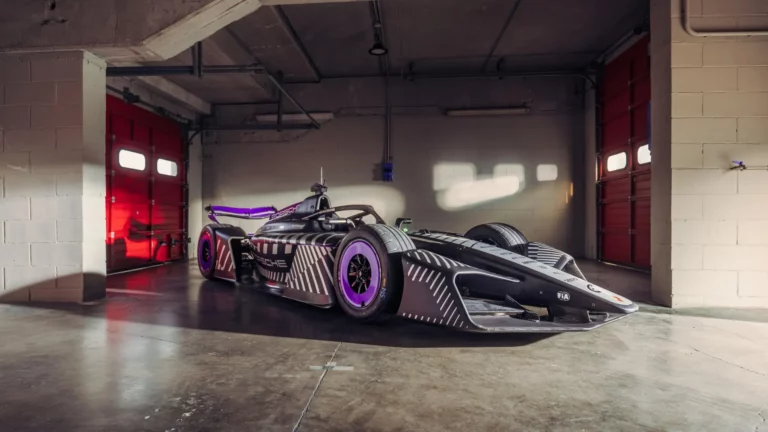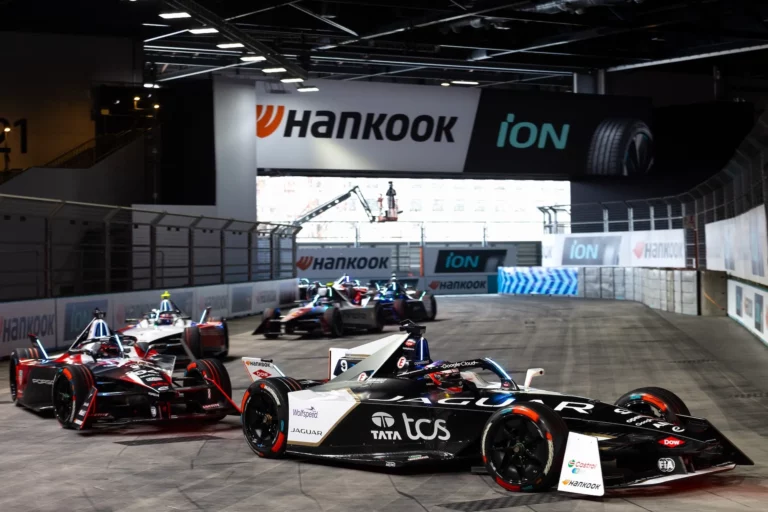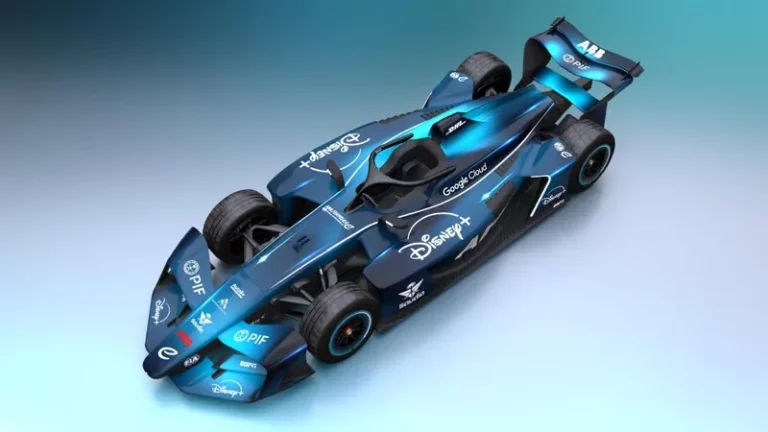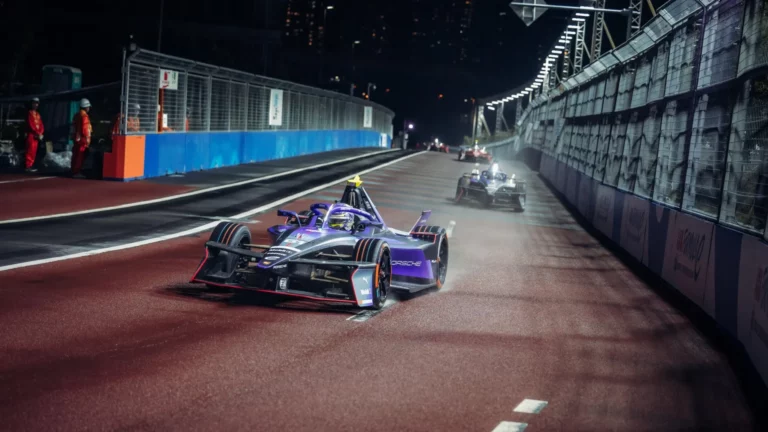
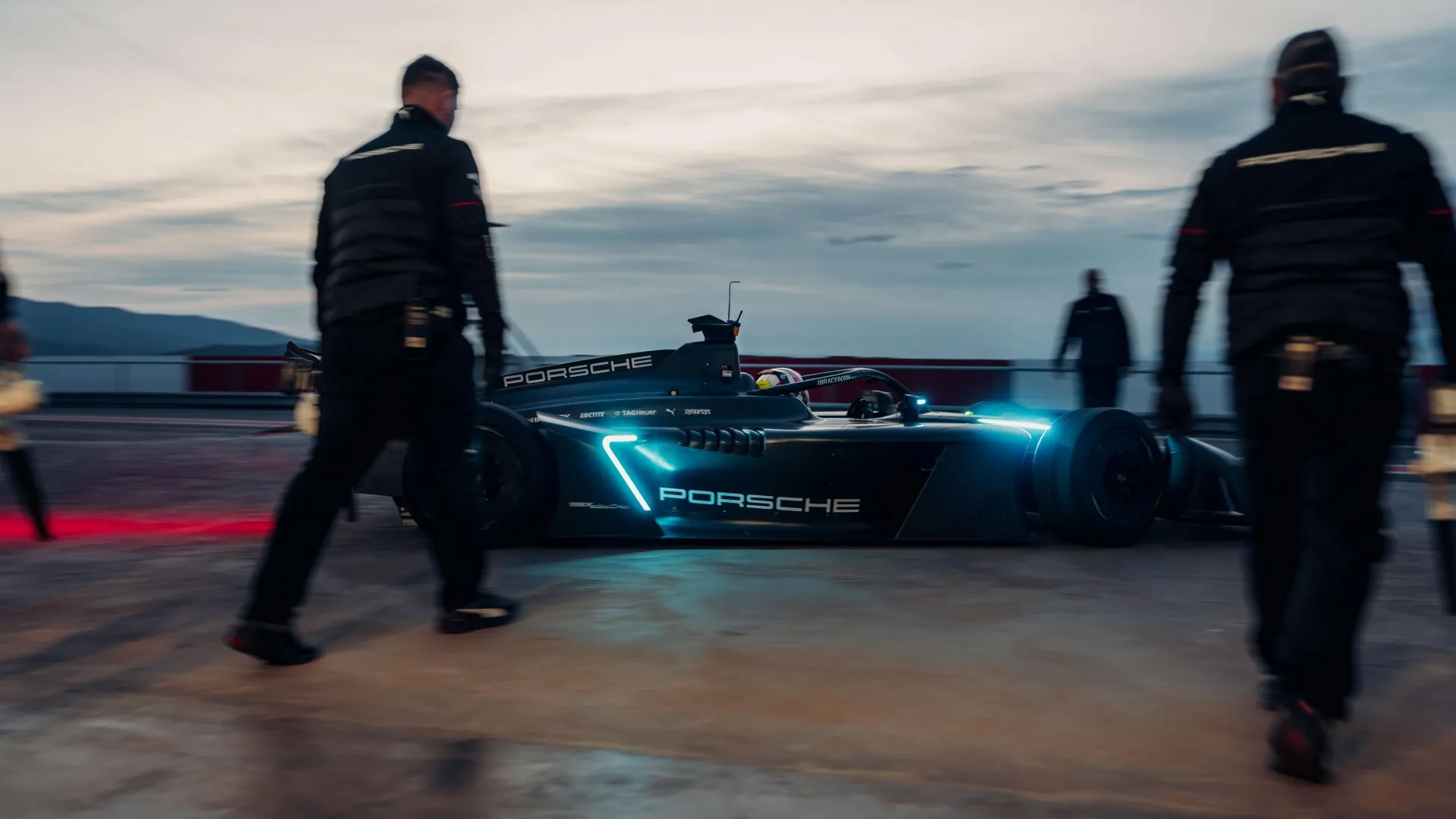

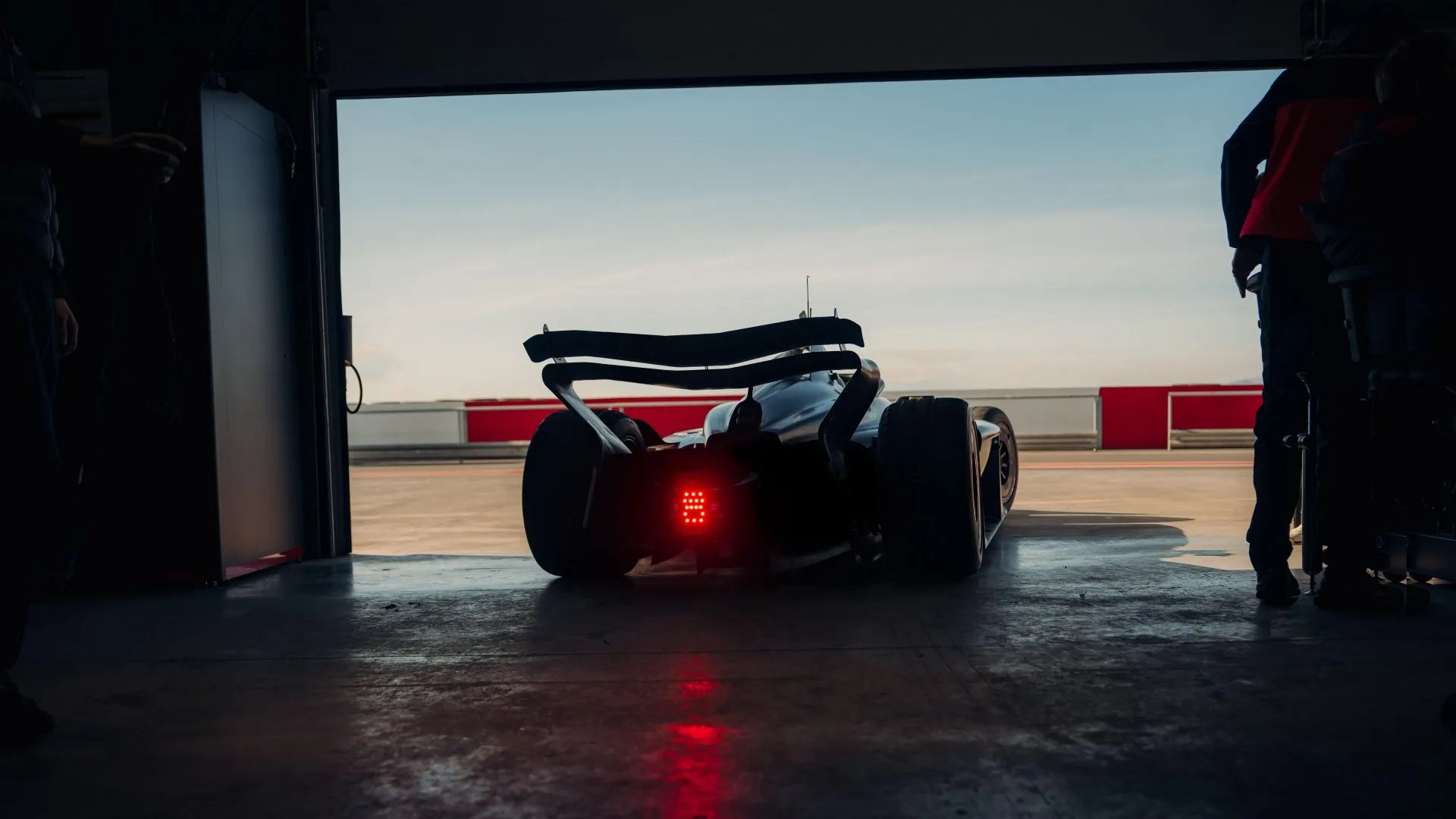
Porsche Motorsport has begun testing its GEN4 Formula E race car. The all-electric single-seater meets the ABB FIA Formula E World Championship’s fourth vehicle regulations. Testing started in November at circuits in Spain. The car delivers 600 kW (816 PS) with permanent all-wheel drive and increased downforce.
Highlights
- GEN4 produces 600 kW (816 PS) with permanent all-wheel drive, new tires, and increased downforce — a 71% power increase in Attack Mode over the current car.
- Porsche expanded in-house development to include the DC/DC converter and brake-by-wire system alongside existing drivetrain components.
- The GEN4 completed 1,472 test kilometers at Monteblanco and Almería in Spain by mid-January.
- Current drivetrain efficiency exceeds 97%, with less than 3% energy loss from battery to wheel.
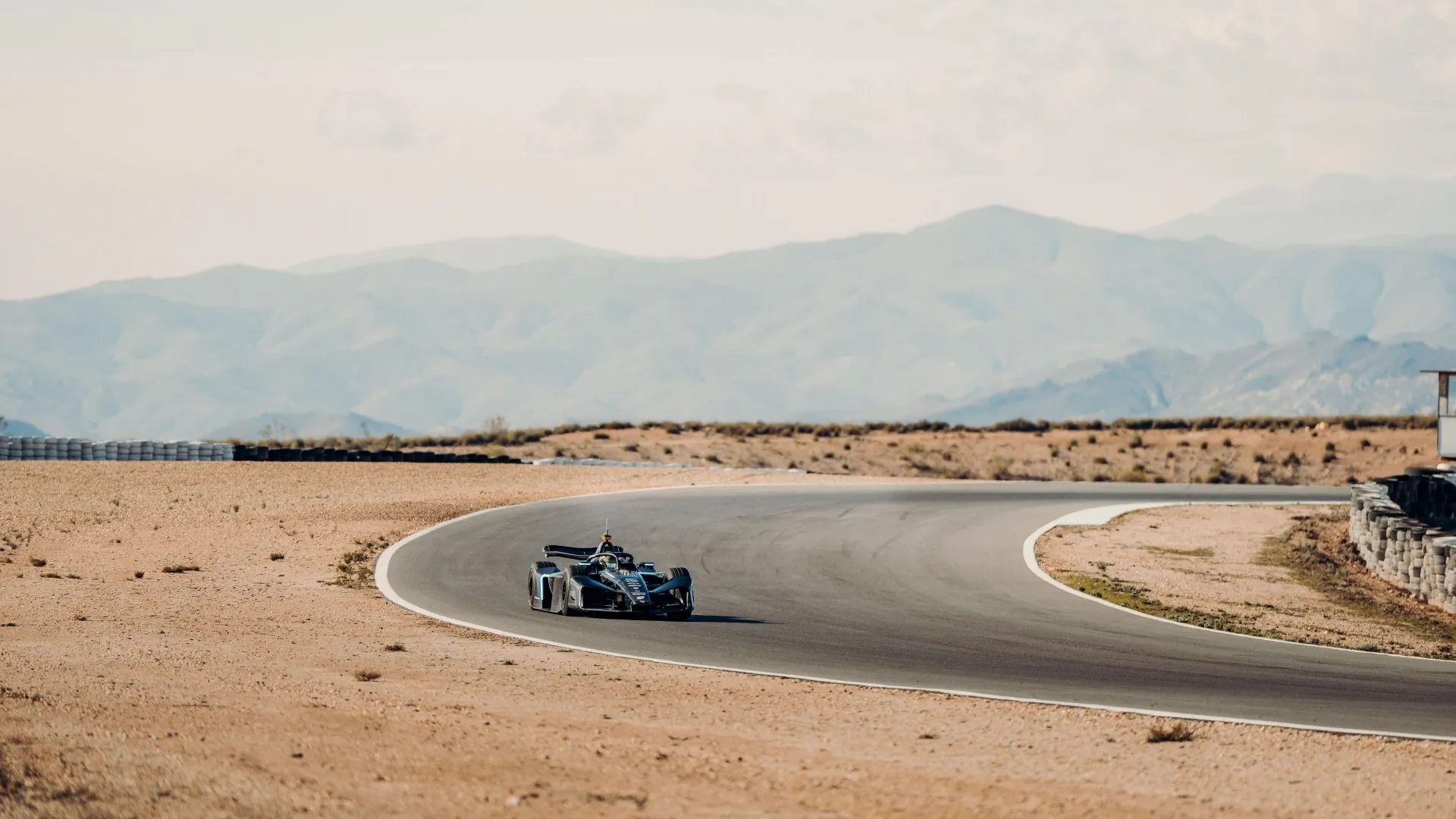
Porsche Expands In-House Component Development
The GEN4 represents Porsche’s most extensive hardware package for Formula E. In-house components now cover a wide range of systems:
- Operating software
- Pulse inverter
- Electric motor, gearbox, differential, and drive shafts
- Rear axle drivetrain components
- Cooling, carrier, and suspension components (rear)
- DC/DC converter (new for GEN4)
- Brake-by-wire system (new for GEN4)
Thomas Laudenbach, Vice President Porsche Motorsport, said the team primarily develops components relevant to production sports cars. He cited this focus as a key reason Porsche competes in Formula E.
The in-house components are designed to be lighter, higher-performing, and more cost-effective. They also feature extended service life. Hardware development continues through October, after which the team shifts to software optimization.
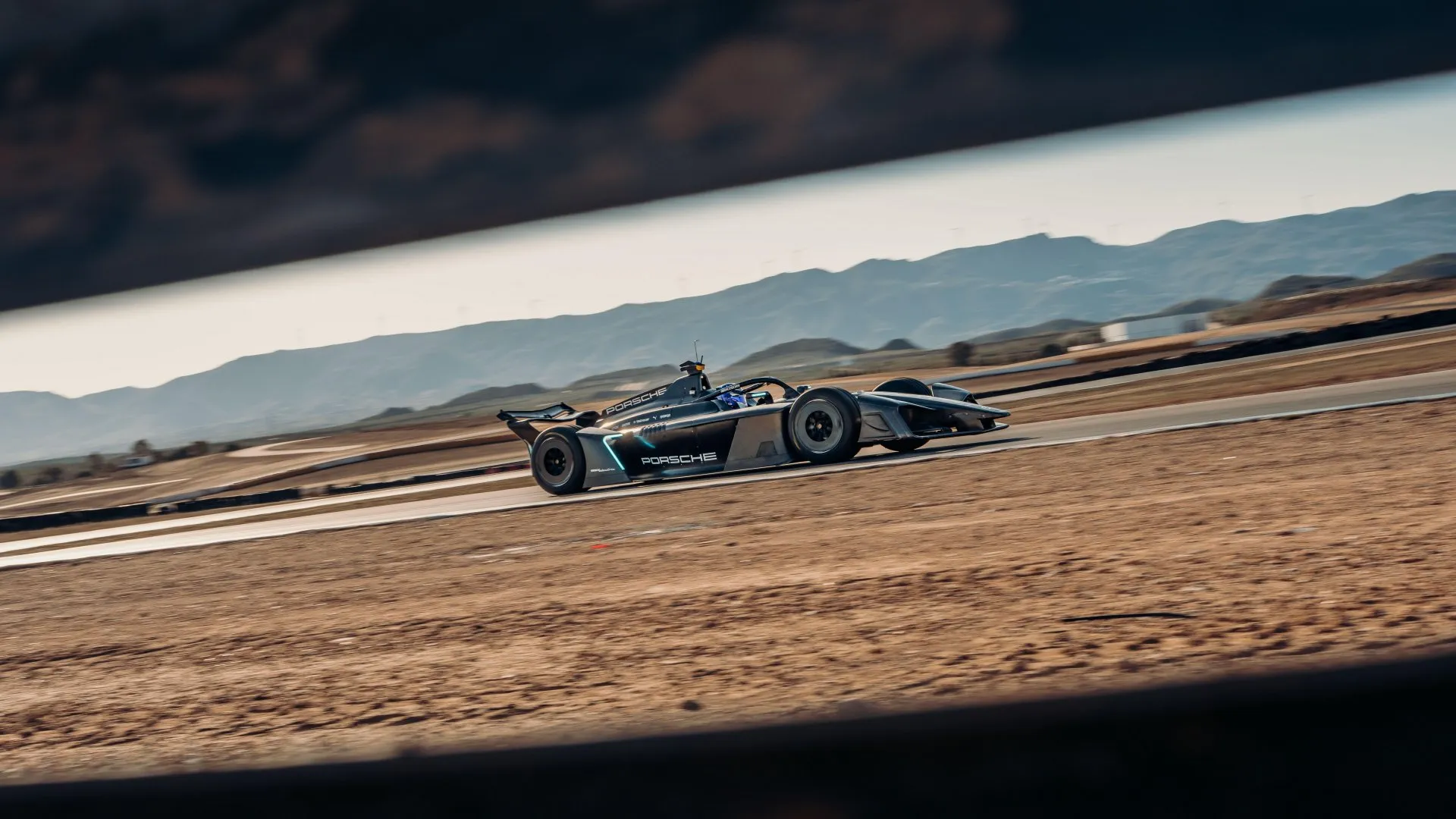
Parallel Development Across Three Generations
Porsche managed GEN4 development alongside active racing commitments. The concept phase began in 2024, with simulator work starting that same year. This overlapped with Season 10, when the team raced the GEN3 car and developed the GEN3 Evo.
Florian Modlinger, Director Factory Motorsport Formula E, compared the approach to series-production projects. The team runs the current vehicle, brings a facelift to market, and designs the next generation at the same time. He noted that Formula E cycles are shorter with smaller budgets.
Simulator testing plays a significant role in the program. It saves resources and costs while supplementing limited on-track test days. Early testing focused on reliable operation and component interaction. The emphasis now shifts toward performance.
The Porsche customer team is also testing the GEN4 before FIA homologation in autumn.
Driver Impressions From Initial Testing
Pascal Wehrlein, Porsche factory driver (#94), described the car as noticeably faster through high-speed corners. He credited the new aerodynamic package for generating significant downforce. Wehrlein noted that years of efficiency gains now allow the team to accept additional aerodynamic drag.
Nico Müller, Porsche factory driver (#51), highlighted the car’s power and traction from permanent all-wheel drive. He compared the driving experience to supercars in rallycross. Müller noted that acceleration, braking, and overall aggression represent a major shift from the current car.
Sporting regulations for the new era have not yet been defined. From a technical perspective, racing in the series is expected to change significantly.
Source: Porsche Newsroom
Sign up for our popular weekly email to catch all the latest EV news!