
Originally reported by Neetika Walter at Interesting Engineering (March 17, 2026). Read the full story →
Tesla has committed $4.3 billion to purchase LFP battery cells from LG Energy Solution in one of the largest single supply agreements in the U.S. energy storage sector. The deal will channel domestically produced lithium iron phosphate prismatic cells from a retooled Michigan plant directly into Tesla’s Megapack 3 systems assembled in Houston. For an industry navigating tariff uncertainty and aggressive Chinese competition, the agreement marks a significant step toward a fully domestic battery-to-storage supply chain — and signals where Tesla sees its highest-growth opportunity.
Michigan Plant Gets a Second Life
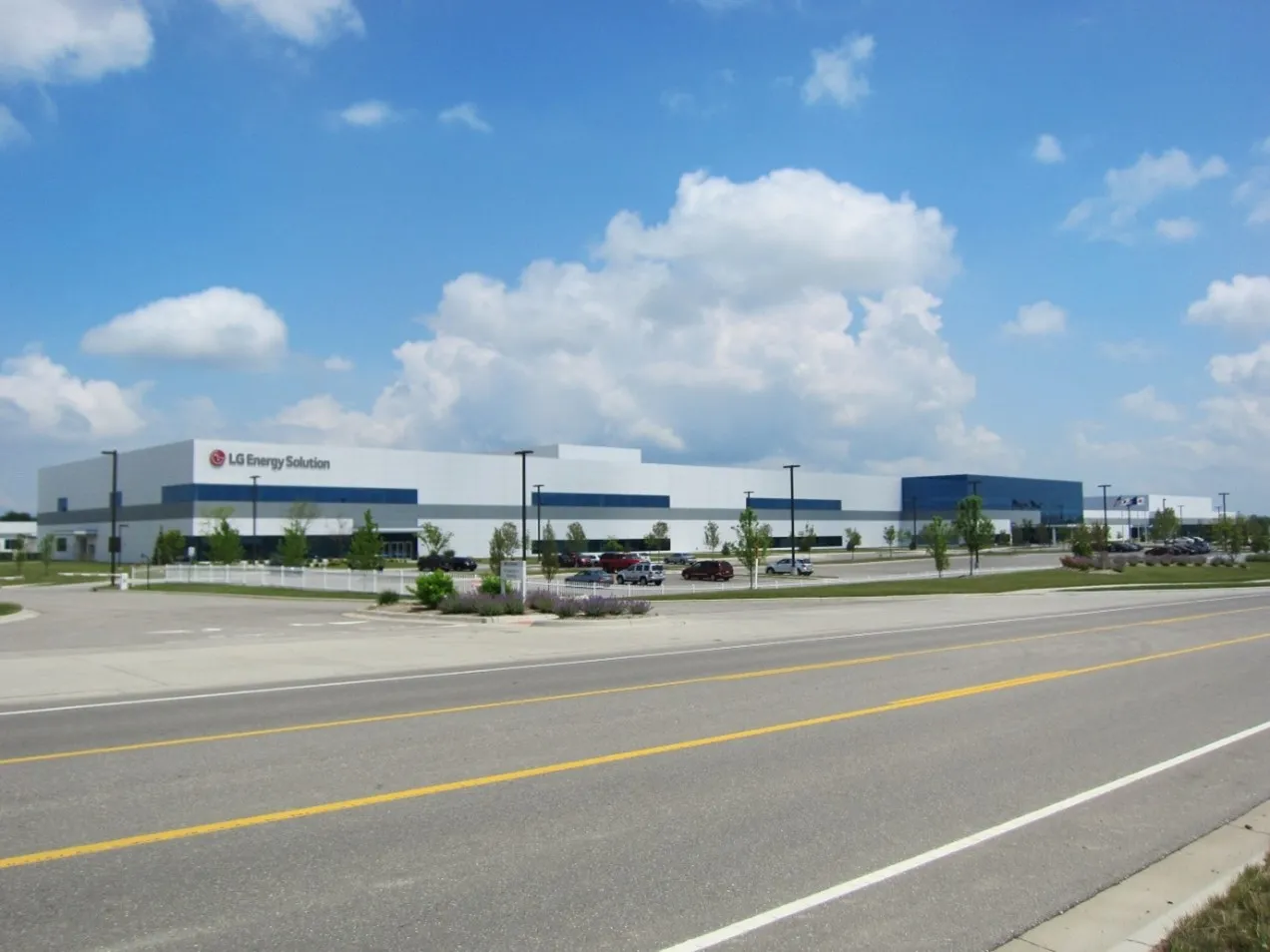
The LFP cells will come from LG’s facility in Lansing, Michigan — a plant with an unusual backstory. The factory was originally built as a joint venture between LG and General Motors. However, after GM departed the project, LG retooled the site specifically for LFP prismatic cell production. As a result, what began as an automotive battery plant is now positioned to serve the grid-scale storage market instead.
LG has confirmed it will install dedicated production lines at Lansing to fulfill the Tesla contract, with output expected to begin soon. The U.S. Department of the Interior highlighted the arrangement as part of a broader set of private-sector commitments announced during an Indo-Pacific Energy Security Summit in Japan.
Energy Storage Outpaces EV Sales Growth
The deal underscores a notable shift in Tesla’s business mix. The company’s energy division generated $12.8 billion in revenue last year, representing 13 percent of total company revenue — and it achieved that growth even as Tesla’s automotive segment declined. Megapack systems, which store large volumes of electricity for utility-scale grid applications, are the primary driver of that expansion.
Meanwhile, LG Energy Solution is making its own strategic pivot. With global EV demand growth slowing and Chinese manufacturers like CATL intensifying price competition, LG is increasingly targeting the energy storage systems market as a more stable revenue source. In that context, locking in a multi-billion-dollar offtake agreement with Tesla provides meaningful production visibility.
Supply Chain and Tariff Implications
Tesla currently relies heavily on Chinese-made LFP batteries, which leaves the company exposed to evolving U.S. tariff policy on imported cells and components. Sourcing domestically produced LFP cells from Michigan addresses that vulnerability directly. It also aligns with broader federal efforts to localize critical mineral and battery supply chains — a policy priority that has persisted across recent administrations.
The timing is relevant for another reason as well. U.S. electricity demand from data centers is projected to more than double by 2035, driven largely by artificial intelligence workloads. That surge is accelerating utility-scale storage deployment nationwide, and battery manufacturers across the industry are repurposing EV production capacity to meet grid storage demand. The Tesla-LG agreement fits squarely within that trend.
The Bottom Line
Tesla’s $4.3 billion LFP battery commitment with LG Energy Solution establishes a domestic supply chain linking Michigan cell production to Houston-based Megapack assembly. As energy storage overtakes EV sales as Tesla’s fastest-growing segment, securing reliable U.S.-made cell supply positions the company to scale without the tariff and logistics risks tied to Chinese imports. For the broader market, the deal signals that grid-scale storage is now commanding the kind of capital commitments previously reserved for EV production.
Sign up for our popular weekly email to catch all the latest EV news!