
Aptera Motors Corp. (Nasdaq: SEV) has entered a production program with Launch Design valued at up to approximately $44 million (RMB 300 million), work that will supply the tooling and parts for the solar electric vehicle maker’s first 40 production vehicles. The Carlsbad, California company describes the arrangement as a strategic investment by Launch Design, formally Shanghai Launch Automotive Technology Co., Ltd., a design-for-manufacturing firm with more than 3,000 employees and multiple production bases. Aptera says Launch has developed more than 400 vehicle models for automakers worldwide, and that the two companies aim to begin building the first 40 vehicles in the fourth quarter of 2026.
Highlights
- Production program valued at up to approximately $44 million (RMB 300 million), spanning assembly fixtures and tooling, vehicle testing, pilot production, and high-volume production work
- Aptera pays two-thirds of approved program costs in cash; the remaining third, up to approximately $15 million, is settled in warrants to purchase Aptera stock
- First bodies and chassis expected to begin arriving in October 2026, with assembly of the first 40 production vehicles targeted for Q4 2026
- Launch Design employs more than 3,000 people and has worked on more than 400 vehicle programs for automakers including BYD, Ford, XPeng, Nio, and Tesla, according to Aptera
What the Production Program Covers
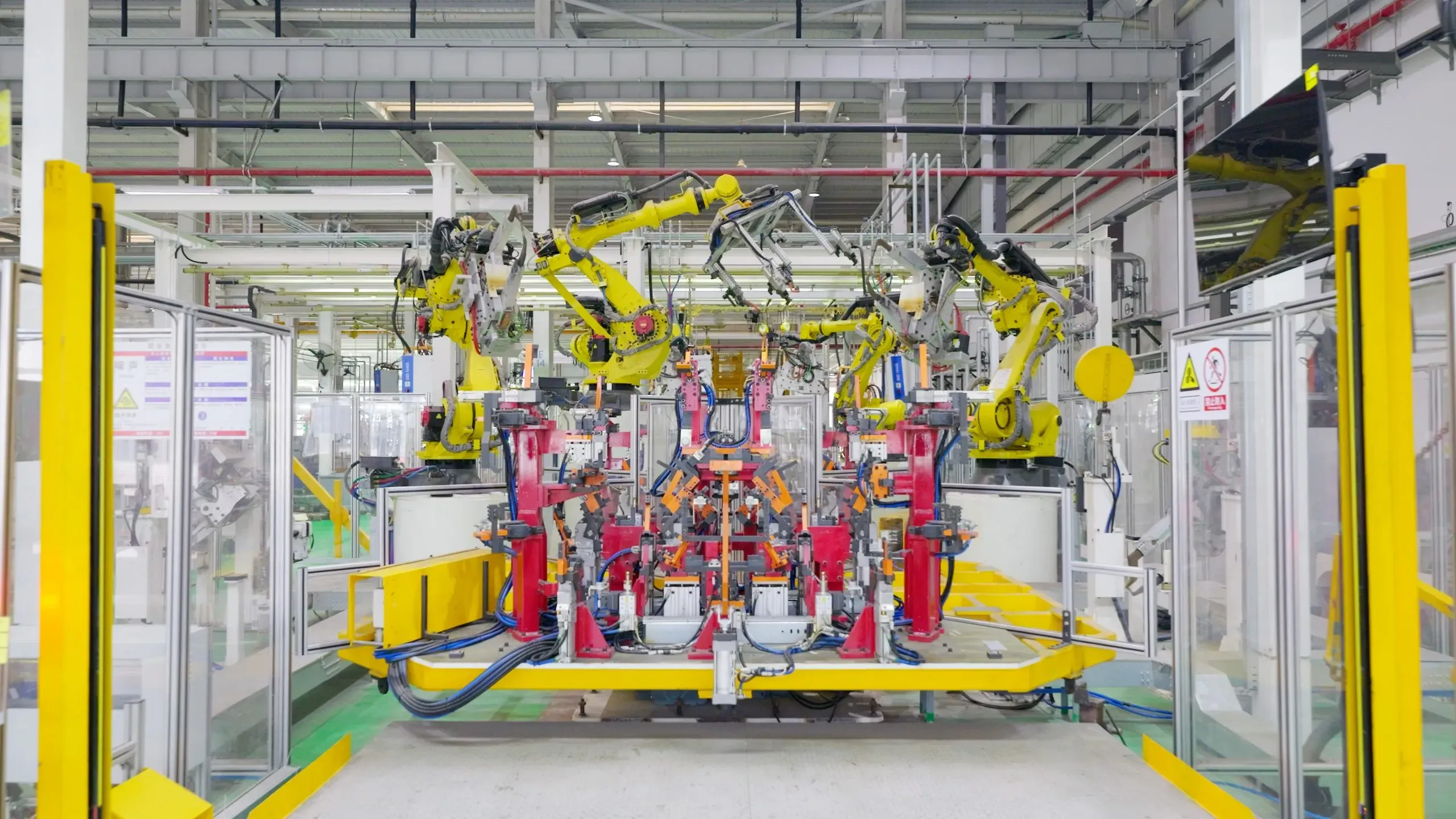
The program spans assembly fixtures and tooling, vehicle testing, pilot production, and high-volume production work. The first fixtures and parts are earmarked for the initial 40 production vehicles.
Aptera says the partnership also opens Launch’s international supplier network, giving it access to parts and tooling at costs the company says would be difficult to reach independently at this stage. Launch’s supply base is positioned to deliver finished subassemblies rather than loose parts. Consolidating many individual components into a smaller number of larger subassemblies reduces the count of parts Aptera must receive and integrate, the company says, simplifying final assembly. Launch process engineers are working directly with Aptera’s team on fixtures, assembly procedures, and cycle times.
The two companies have worked together for more than a year. Aptera says the relationship has already reduced its projected bill of materials over the past six months, though it has not disclosed the size of those reductions.
“This strategic investment enhances our resources, allowing us to bring proven design-for-manufacturing expertise and a global supply chain to Carlsbad without taking on the capital burden of building that expertise from scratch,” said Chris Anthony, Co-CEO of Aptera. “We expect Launch’s experience will shorten our path to high-volume production and reduce materials costs. We have already seen reductions in our projected bill of materials from the relationship, an early indication that the partnership is improving unit economics before the first production vehicle is built.”
How Is Aptera Paying for the Work?
Aptera will pay two-thirds of approved program costs. The remaining third, up to approximately $15 million, is paid in warrants to purchase Aptera stock rather than cash. The company is explicit that Launch is not contributing $15 million in cash — Launch is accepting warrants as compensation for that share of approved program costs, trading a portion of its work for potential equity upside.
Aptera says the structure conserves its cash as production scales and aligns Launch’s interests with its own. Additional terms of the agreement and the warrants will be included in a Current Report on Form 8-K to be filed with the Securities and Exchange Commission. Aptera expects to fund its cash portion through existing capital resources, previously announced financing arrangements, and future debt or equity financing.
Does Final Assembly Move Outside the United States?
No. Aptera says the arrangement does not change its plan to complete final vehicle assembly in Carlsbad, with larger finished subassemblies transported to the San Diego area for integration and customer delivery. The company anticipates some changes compared with its existing low-volume validation line as it shifts to receiving larger subassemblies.
When Do the First Production Parts Arrive?
The first bodies and chassis are expected to begin arriving in October 2026. Aptera says its engineering team refined body and chassis specifications using what it learned from its validation builds, and that those refinements are incorporated into the production parts ordered for the first 40 vehicles. Atlas vehicles were built exclusively for internal validation; the company plans to begin customer deliveries with the next batch.
No international launch dates were announced. Aptera frames Launch’s production bases and supplier relationships as a means of planning for markets outside the United States after it scales deliveries domestically.
“Launch’s reach extends well beyond manufacturing,” said Steve Fambro, Co-CEO of Aptera. “Their production bases and supplier relationships give us a practical way to plan for markets outside the United States in the future, where we believe the appetite for a highly efficient solar vehicle is significant.”