

Blink Charging has launched EnergyConnect, an AI-driven energy management system now running across 13 company-owned DC fast-charging sites in Florida. The platform allocates power across a site in real time, which the company says allows operators to add charging capacity within existing electrical service rather than paying to upgrade it. Blink Charging (NASDAQ: BLNK) plans to deploy the system in phases at additional sites throughout the United States, the United Kingdom, and Belgium.
Highlights
- Initial deployment covers 13 Blink-owned DC fast-charging sites in Florida
- Dynamic load balancing adjusts power allocation to real-time demand across charger groups
- Site-level load limits support optional daily or weekly scheduling
- Roadmap adds utility integrations, demand response, battery storage, and solar
What Can Site Hosts Control?
Blink positions EnergyConnect as an energy management system that consolidates power allocation and charger oversight into a single interface. According to the company, site hosts using the platform can:
- Monitor energy usage and performance through live metrics and analytics
- Automate load management with dynamic load balancing that adapts to real-time demand
- Manage charger groups from one centralized dashboard rather than multiple systems
- Set site-level load limits, with optional daily or weekly scheduling, to stay ahead of capacity constraints
- Track where limits are being approached before they affect site operation
The company reports that combining real-time operational data with energy controls and charging data can streamline site operations and reduce costs, with the potential to avoid electrical infrastructure investment expenses when expanding a site.
Where the First Deployment Sits
The initial rollout covers 13 Blink-owned DC fast-charging locations in Florida. Blink says early results are anticipated to produce meaningful electricity cost savings and improve site profitability, though the company did not publish figures from the deployment.
“EnergyConnect holds the potential to save Blink and its customers thousands of dollars on electricity costs. The platform’s efficiency allows us to be even more thoughtful about future operating expenses, creating more opportunities for growth,” said Mike Battaglia, President and CEO at Blink Charging. “This is a significant leap forward in our progress with energy management, empowering site hosts with a far more effective way to manage chargers and make better use of the existing infrastructure available at their sites today.”
What Comes Next for the Platform
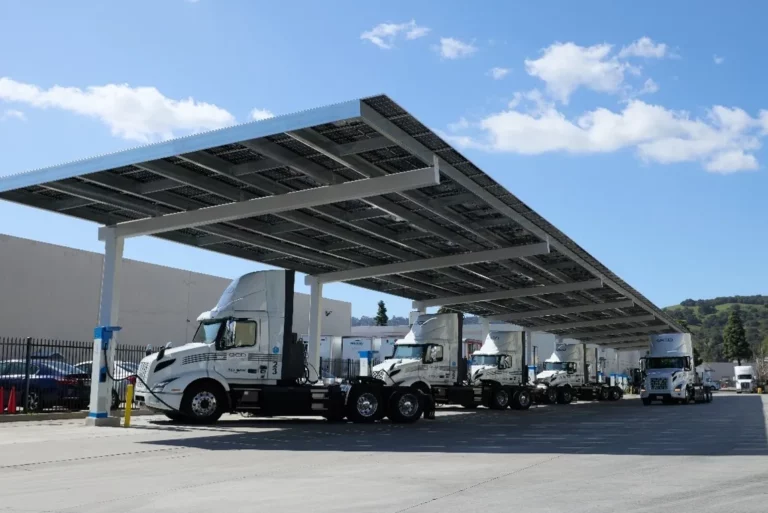
Blink intends to expand EnergyConnect beyond charger load management. Planned additions include utility integrations and demand response functionality, along with bringing battery energy storage systems (BESS) and solar energy under the platform’s management.
The company frames EnergyConnect as a component of a longer-term strategy to broaden its energy ecosystem, with a single central platform to connect, monitor, and manage distributed energy assets across the Blink Network.