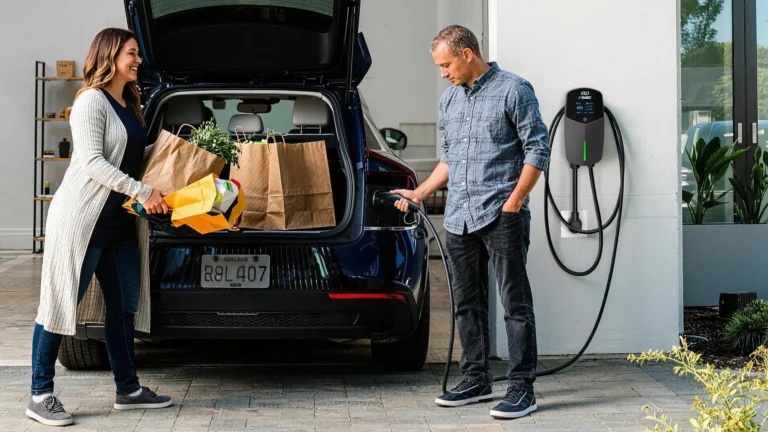

General Motors is positioning its electric vehicles as home energy assets. The automaker sold more than 246,000 vehicles equipped with vehicle-to-home (V2H) technology in 2025. That milestone makes GM one of the largest suppliers of backup-capable EVs in the U.S. market.
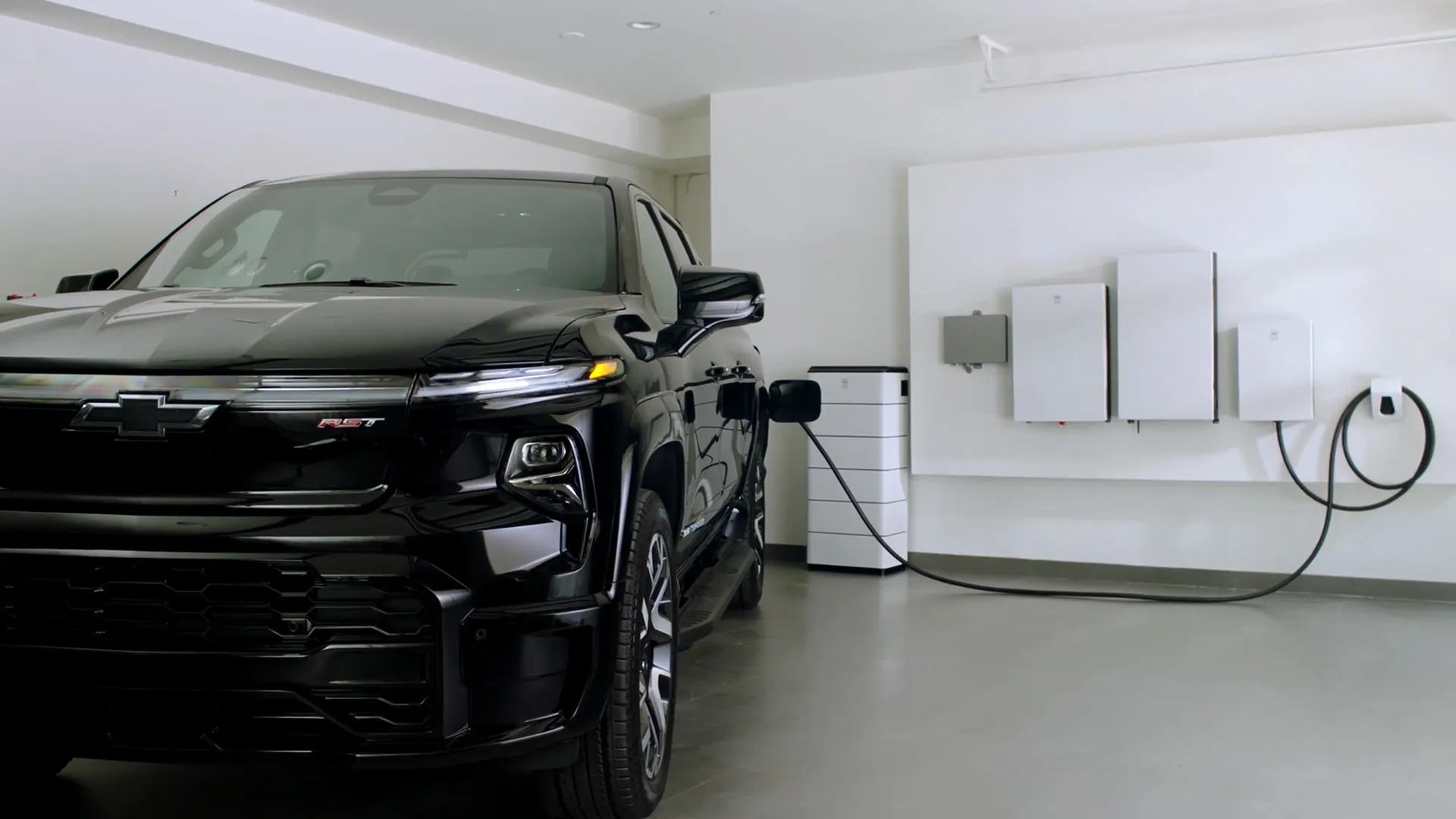
Through GM Energy, these V2H-capable models pair with home energy management systems. Together, they allow an EV to supply power to a properly equipped home during grid outages.
Highlights
- GM sold over 246,000 V2H-capable vehicles in 2025, reinforcing its position as a top-two U.S. EV seller.
- The company is exploring a leasing program for its home energy systems and PowerBank batteries to lower upfront costs.
- Utility partnerships are expanding, including programs with Reliant Energy in Texas and a PG&E vehicle-to-everything pilot in California.
- Vehicle-to-grid certification is underway, following positive internal testing results.
Leasing Program Aims to Lower Adoption Barriers
GM Energy is developing a leasing option for its home energy management systems and PowerBank home batteries. Instead of requiring full upfront payment, the program would offer monthly payments. This approach mirrors a traditional vehicle lease structure.
The goal is to make V2H technology accessible beyond current GM EV owners. Additional details will be available closer to launch.
“We built GM Energy to unlock new benefits unique to EVs,” said Wade Sheffer, vice president of GM Energy. “With leasing, we’re removing a barrier and trying to make this technology available to any homeowner.”
Sheffer added that GM envisions a future where EVs help manage energy costs. Eventually, they will also work directly with the electrical grid.
Real-World Applications Across Use Cases
Homeowner applications vary widely across the GM Energy customer base. Some owners have maintained power during Gulf Coast hurricanes and West Coast wildfires. Others reduce electricity costs by charging overnight and discharging stored energy during peak-rate hours.
For instance, one owner combined compatible solar panels, battery storage, and a Chevrolet Silverado EV. As a result, he manages energy costs while positioning himself for utility incentives.
Utility Partnerships Drive Additional Value
In Texas, GM’s “Free Charge Nights” program with Reliant Energy supports off-peak charging strategies. Meanwhile, PG&E’s vehicle-to-everything (V2X) pilot allows EVs to send power back to the home, the grid, or other devices. That program offers up to $4,500 in incentives for eligible applicants on qualifying GM Energy products.
Additionally, GM Energy has completed positive internal testing for vehicle-to-grid capability. The company is now working to certify the technology with local utilities.
Unlike gas generators, V2H systems produce no noise and require no annual maintenance. However, GM notes that weather conditions, battery life, and vehicle usage may affect power supply duration.
Equipment and Limitations
The GM Energy PowerShift Charger and V2H Enablement Kit require an adequately charged V2H-capable GM EV and a properly equipped home with proper grid interconnection. Power supply may be interrupted under certain conditions. GM does not recommend powering medical devices with the system.
Sign up for our popular weekly email to catch all the latest EV news!