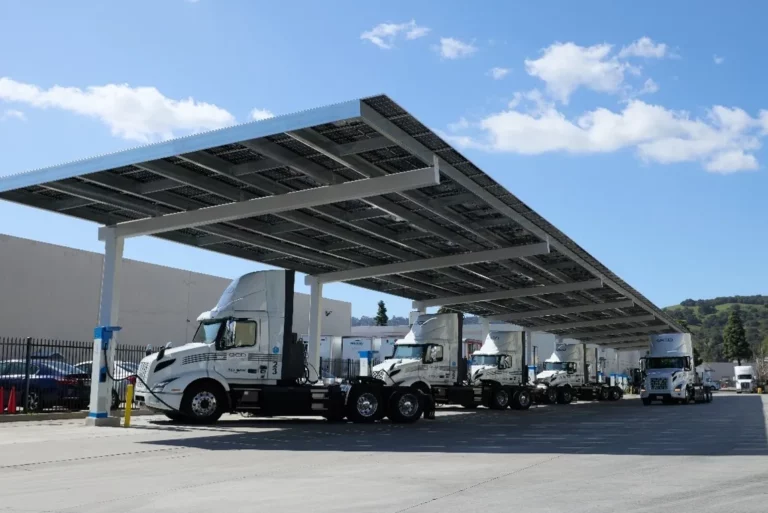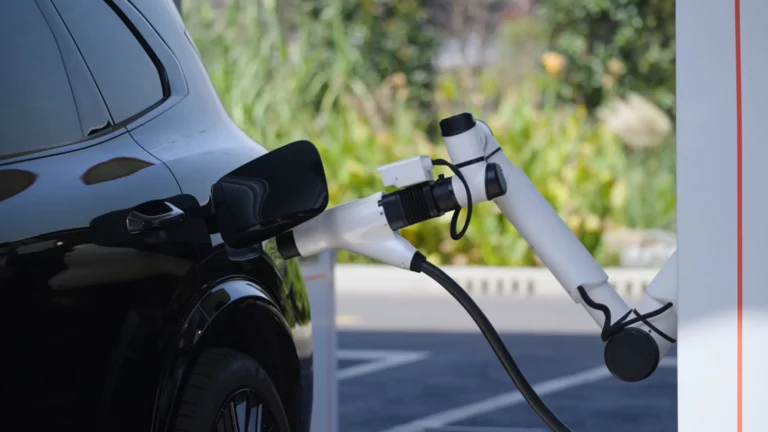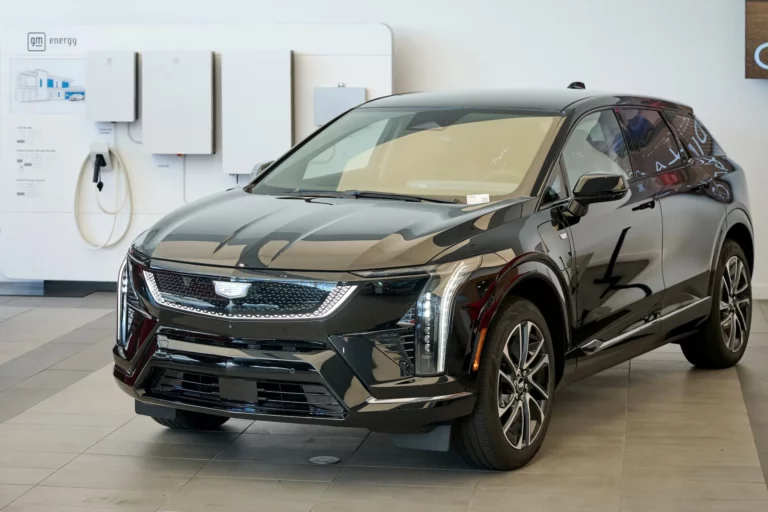


SWTCH Energy has introduced SWTCH Tap, a charging solution designed to simplify the user experience in multi-tenant and workplace environments. The technology utilizes Near Field Communication (NFC) to enable authentication and payment without requiring a cellular or Wi-Fi connection.
Highlights
- NFC Authentication: Users can initiate charging sessions via a physical SWTCH Tap card or digital wallets on smartphones and smartwatches.
- Offline Functionality: The system processes transactions locally, addressing connectivity issues common in underground parking garages.
- Hardware Compatibility: The solution is compatible with any Open Charge Point Protocol (OCPP) compliant charger integrated with the SWTCH platform.
- Unified Billing: Building owners can manage charging revenue and energy distribution through a single administrative dashboard.
Addressing Connectivity Barriers in Multi-Family Housing
Reliable EV charging in underground parkades often fails due to poor cellular reception. SWTCH Energy designed SWTCH Tap to bypass these infrastructure limitations. By storing credentials locally, the charger validates the user immediately and syncs data once a connection is restored.
This move aligns with the industry trend toward improving “uptime” and reliability for urban EV drivers. While many networks rely on mobile apps, the transition to NFC technology mirrors the simplicity of contactless credit card payments.
Technical Implementation and Scalability
The SWTCH Tap system operates on the company’s existing EV charging management platform. It allows property managers to distribute physical NFC cards to residents or employees who prefer not to use a mobile application.
Key System Features
- Digital Wallet Integration: Support for Apple Pay and Google Pay digital passes ensures users do not need to carry additional hardware.
- OCPP Agnostic: Because the software is hardware-agnostic, property owners can deploy SWTCH Tap across various charger brands.
- Automatic Re-sync: Charging data is cached on the local controller and uploaded to the cloud once network pings are successful.
This decentralized approach reduces the “failed to start” errors frequently reported at public and semi-private charging stations. Consequently, this enhances the scalability of EV infrastructure in high-density residential developments.
Sign up for our popular weekly email to catch all the latest EV news!