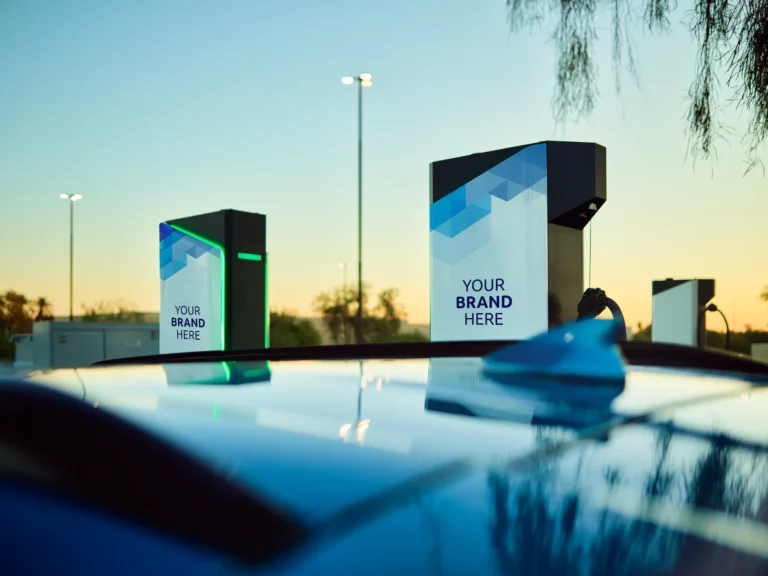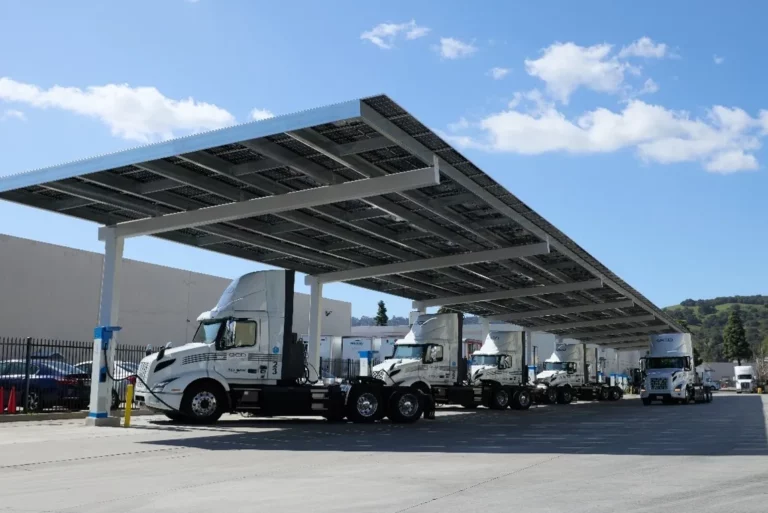

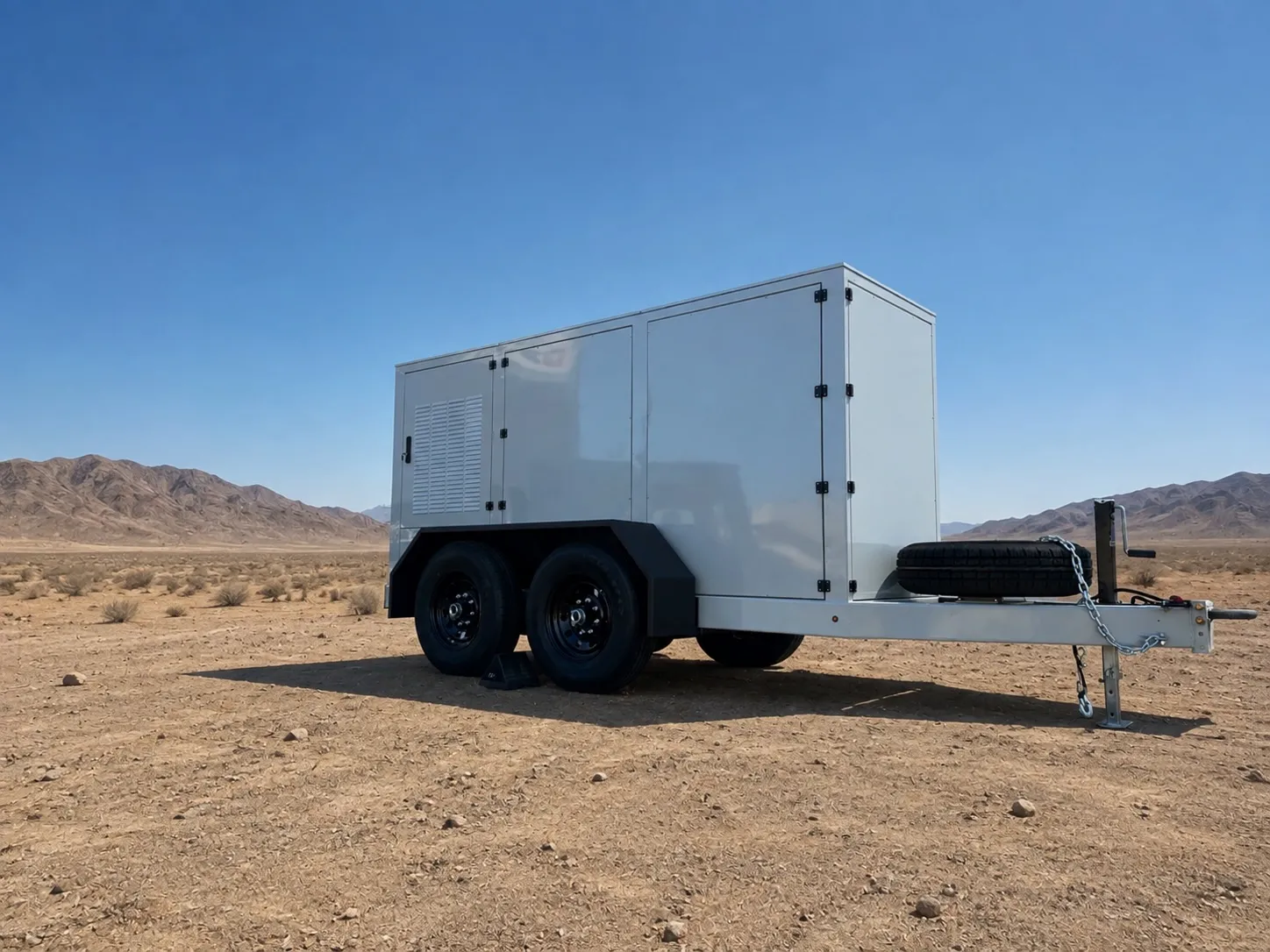
A single Xos Hub has delivered 1,020,143.6 kWh of energy in the field, crossing the one-gigawatt-hour mark across more than 33,600 charging sessions. Xos says the unit entered heavy-duty service in early 2025 and has operated near-continuously since, averaging 1,800 to 2,000 kWh of energy delivery per day. The Xos Hub is a mobile, grid-independent energy storage and charging system, and the company frames the milestone as multi-year field evidence of durability that underpins its expansion into higher-capacity versions, megawatt-scale systems, utility deployments, and defense work.
Highlights
- 1,020,143.6 kWh delivered from a single grid-independent Hub in commercial operation
- 33,600-plus charging sessions completed since the unit entered heavy-duty service in early 2025
- 1,800 to 2,000 kWh per day average energy delivery, according to Xos
- More than 5 GWh delivered across the company’s connected Hub fleet to date
What the Milestone Measures
Xos positions the result as a measure of something a specification sheet cannot capture: how a storage asset holds up over years of continuous energy delivery. The company points to the pairing of sustained output and battery health as the factor that determines how a storage unit performs and what it costs to run over its service life.
Across the deployed fleet, Xos says Hubs have operated in climates ranging from Northeast winters to Arizona summers, charging trucks, cars, buses, and autonomous vehicles in applications that span fleet operations and disaster response.
“Reaching a gigawatt-hour from a single Hub gives us multi-year data on how this platform performs under continuous, real-world use. That track record is the foundation for how we are growing this business across new products and markets, and it shows customers across multiple industries why they can rely on it. We built the Hub to deliver energy every day, over years, and the field data now supports that,” said Dakota Semler, Chief Executive Officer of Xos.
How Xos Is Expanding the Hub Platform
Xos cites two market trends behind its energy storage push. According to Wood Mackenzie and the American Clean Power Association figures the company references, U.S. energy storage installations reached a record 18.9 gigawatts in 2025, up 52% from the prior year. At the same time, the company cites Lawrence Berkeley National Laboratory data showing roughly 2,061 gigawatts of generation and storage waiting in U.S. interconnection queues, with a typical project now taking more than five years to reach commercial operation.
The company lists five developments over the past year that build on the Hub platform:
- Higher-capacity Hub versions: In January 2026, Xos expanded Hub capacity tiers to up to 630 kWh per unit.
- Power Hub for large loads: In June 2026, the company introduced the Power Hub, a containerized system that scales the Hub architecture to megawatt-scale power in 1.2, 2.5, and 4.0 MWh configurations.
- Utility deployments: In August 2026, Xcel Energy placed a follow-on order for three Xos Hub systems in Colorado to support fleet EV charging at service centers and residential customers during grid upgrade construction.
- Defense market entry: In August 2026, Xos received a prototype Other Transaction Agreement from the U.S. Air Force to provide deployable mobile charging for electrified equipment and vehicles in field environments.
- Safety certification: In August 2026, the Xos Hub achieved UL 2202 certification for fleet energy storage systems.
“Field results at this scale strengthen the total cost of ownership case behind our customers’ decisions, and that case only grows as our systems accumulate operating data. As we bring the next generation of higher-capacity Hubs and the Power Hub to market, we expect proven economic performance like this to accelerate adoption across fleet, utility, and industrial customers,” said Giordano Sordoni, Chief Operating Officer of Xos.
Xos says it plans to scale the Hub platform into higher-capacity systems and large-scale power and to deepen its presence across fleet, utility, industrial, and defense markets.