

Toyota Motor Corporation has announced a global multi-pathway electrification strategy featuring the ninth-generation Hilux, which now includes a battery electric vehicle variant alongside traditional diesel powertrains. The world premiere took place at a Toyota Motor Asia event in Bangkok, Thailand, marking a significant expansion of the iconic pickup’s 56-year legacy into zero-emission territory.
Highlights
- New Hilux BEV features 59.2 kWh lithium-ion battery with 300+ km range and dual-motor AWD system producing 144 kW total output
- Multi-pathway approach includes planned FCEV variant for Europe and Oceania markets launching in 2028
- Regional rollout begins in Asia from 2026, with Japan receiving diesel variants in mid-2026
- Production significance leverages Thailand’s 60-year partnership with Toyota, where over 13 million vehicles have been manufactured
Electrification Strategy Reflects Regional Needs
Toyota’s multi-pathway approach recognizes that energy infrastructure and customer requirements vary significantly across global markets. Rather than pursuing a single electrification solution, the company is developing diverse powertrain options tailored to specific regional circumstances and use cases.
The strategy encompasses battery electric vehicles, fuel cell electric vehicles, and conventional powertrains, allowing customers in different markets to select the most appropriate technology for their needs and available charging or refueling infrastructure.
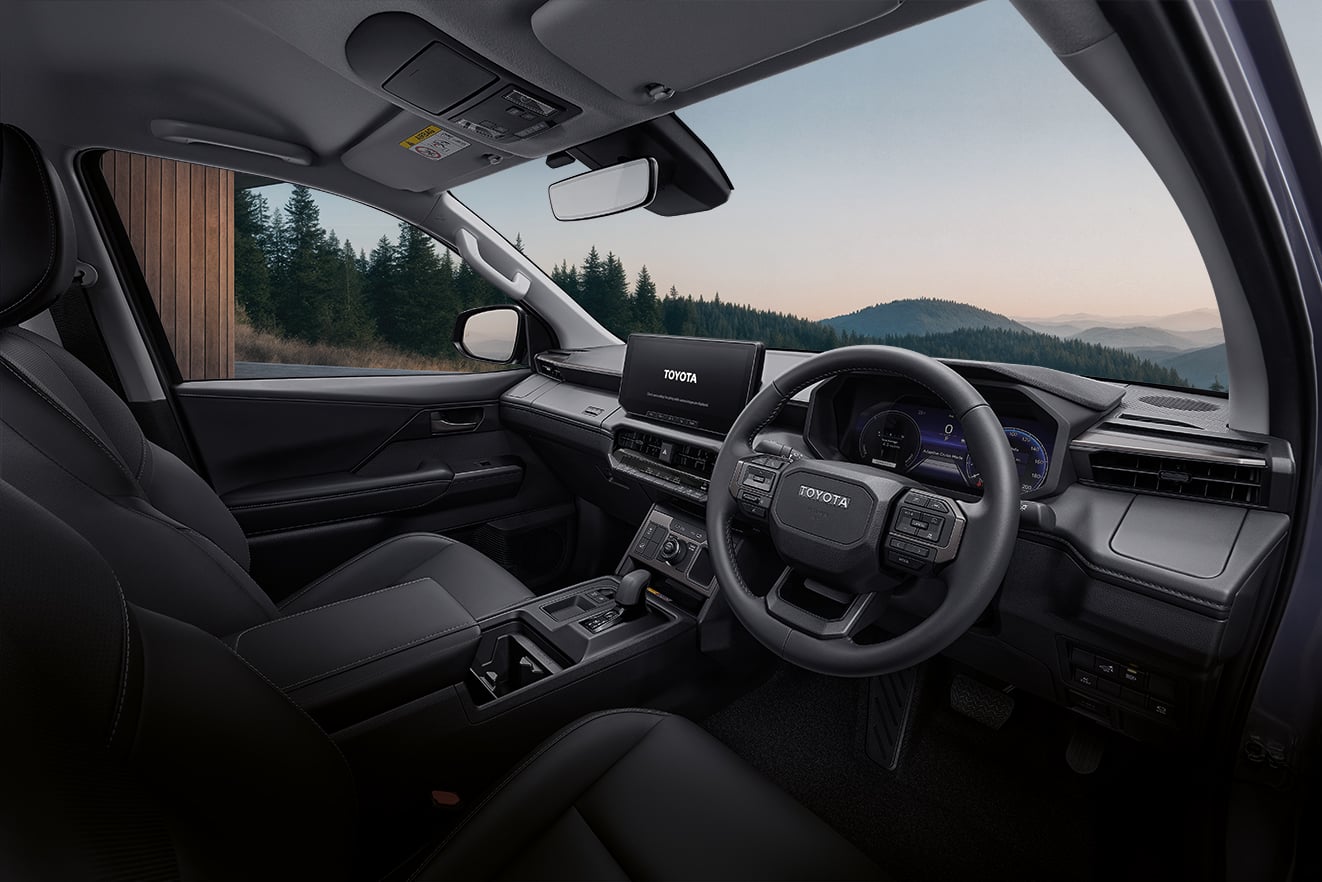
Technical Specifications of Hilux BEV
The battery electric Hilux variant incorporates several advanced engineering solutions designed to maintain the model’s reputation for capability while delivering zero tailpipe emissions.
Powertrain components include:
- 59.2 kWh lithium-ion battery pack integrated into the frame structure beneath the cabin floor
- Dual high-output eAxles mounted front and rear for all-wheel drive capability
- 144 kW maximum system output providing substantial torque for work and off-road applications
- Advanced control systems engineered specifically for off-road terrain management
The battery packaging strategy maximizes use of the frame width while maintaining ground clearance and payload capacity. Toyota claims the enhanced eAxle efficiency enables a driving range exceeding 300 kilometers on a single charge.
FCEV Development Expands Zero-Emission Options
Beyond the battery electric variant announced in Thailand, Toyota confirmed development of a fuel cell electric version of the new Hilux. The FCEV model targets markets where hydrogen refueling infrastructure supports commercial vehicle operations, with initial availability planned for Europe and Oceania beginning in 2028.
Fuel cell technology offers potential advantages for pickup truck applications, including faster refueling times and extended range compared to battery electric powertrains, while maintaining zero tailpipe emissions.
Thailand’s Central Role in Global Production
Chief Branding Officer Simon Humphries emphasized Thailand’s strategic importance to Toyota’s global operations during the premiere event. The country has served as a manufacturing hub for over 60 years, producing more than 13 million vehicles that have been distributed to 133 countries worldwide.
Thailand’s role extends beyond production volume to include innovation and collaboration. The IMV (Innovative International Multi-purpose Vehicle) platform, which underpins the Hilux and related models, was developed under then-regional head Akio Toyoda’s leadership in 2004, exemplifying Toyota’s “Best in Town” philosophy of leveraging local expertise for global success.
Market Launch Timeline and Regional Variants
Toyota plans a phased global rollout of the ninth-generation Hilux beginning in 2026. Asian markets will receive the first deliveries, with specific variants tailored to regional preferences and regulatory requirements.
Launch schedule:
- Asia-Pacific markets: Sequential rollout from 2026
- Japan: Diesel variant availability mid-2026
- Europe and Oceania: FCEV variant from 2028
The staggered introduction allows Toyota to adapt specifications and features to meet diverse market demands while maintaining the core attributes that have made Hilux successful across multiple generations.
Maintaining Hilux’s Core Values Through Electrification
Since the nameplate’s introduction in 1968, Hilux has built a reputation for durability, reliability, and versatility across commercial and personal use cases. The addition of electric powertrains represents Toyota’s effort to maintain these characteristics while addressing carbon neutrality objectives.
Humphries noted that each generation has evolved based on customer feedback from diverse user groups, including commercial fleet operators, agricultural users, and recreational customers. The multi-pathway approach ensures that electrification complements rather than replaces the practical capabilities that define the Hilux brand.
Sign up for our popular weekly email to catch all the latest EV news!