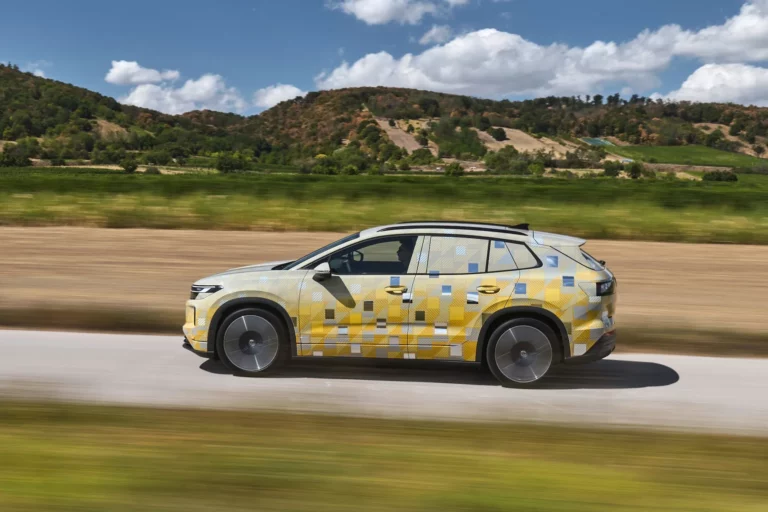

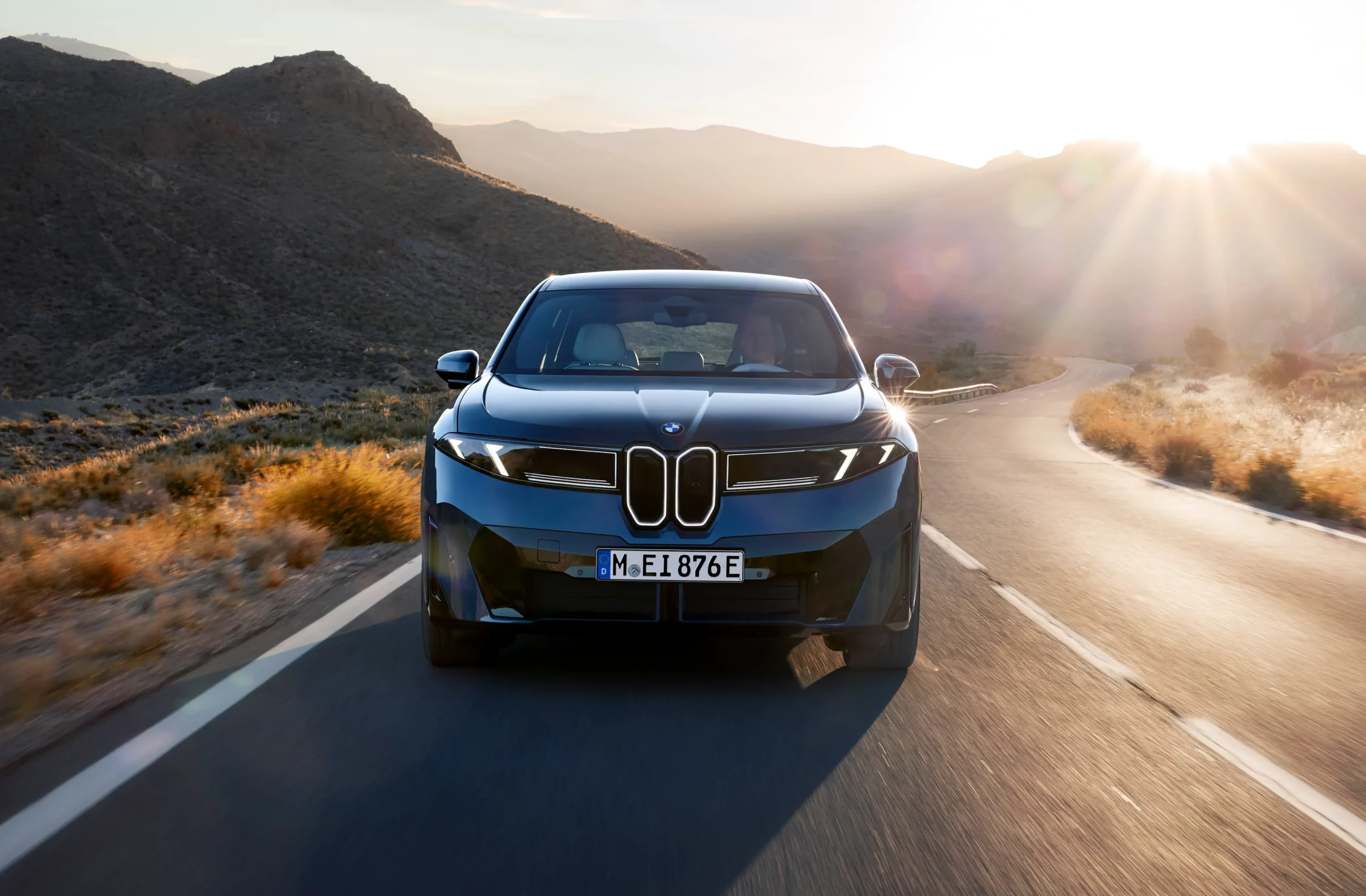
The BMW Group reported a roughly 40% year-over-year increase in European battery-electric vehicle orders during the first quarter of 2026, fueled by demand for the iX3, the first model built on its Neue Klasse platform. The automaker said more than 50,000 iX3 orders have been placed since the European order books opened, with fully electric variants accounting for more than half of all X3 orders.
Highlights
- European BEV orders rose approximately 40% year-over-year in Q1 2026, with orders up across all drivetrain technologies.
- More than 50,000 BMW iX3 orders placed in Europe since ordering opened, making up over half of all X3 orders.
- Total group deliveries fell 3.5% to 565,748 vehicles worldwide, with global BEV deliveries down 20.1% to 87,458 units.
- MINI posted its fifth consecutive quarter of growth, delivering 68,427 vehicles (+5.9%), while BMW’s German market sales rose 10.7%.
Strong European Demand Offsets Global BEV Decline
Jochen Goller, member of the Board of Management of BMW AG responsible for Customer, Brands, Sales, pointed to the iX3 as the catalyst behind the order surge.
“We are seeing exceptionally strong demand for the new BMW iX3. With well over 50,000 new orders since ordering opened in Europe, customer interest in the BMW iX3 is exceeding our high expectations. More than half of the BMW X3s ordered are already fully electric,” Goller said.
He added: “The strong demand for the BMW iX3 underlines the quantum leap in technology we are making with the Neue Klasse. We are also receiving extremely positive feedback on the recently revealed second model of the Neue Klasse, the BMW i3.”
The iX3, which recently won both the 2026 World Car of the Year and World Electric Vehicle awards, began European deliveries in March. Despite the ramp-up just beginning, BMW said European BEV sales in Q1 already surpassed the same period last year.
Global Deliveries Mixed Amid U.S. Incentive Loss
Worldwide, the picture was more nuanced. The BMW Group delivered 565,748 vehicles across the BMW, MINI, and Rolls-Royce brands, a 3.5% decline from Q1 2025. Global BEV deliveries totaled 87,458 units, down 20.1%, while combined electrified vehicle sales (BEVs and PHEVs) reached 132,518, a 15.9% drop.
BMW attributed the BEV decline in part to the discontinuation of U.S. electric vehicle incentives, which the company said affected the broader American market. Demand for BMW models with internal combustion engines increased in the U.S. during the quarter.
Regional Breakdown
Europe was the strongest region, with 236,422 BMW and MINI vehicles delivered, up 3.0%. Germany stood out with 68,022 units, a 10.7% gain. The Americas region declined 4.0% to 109,639 vehicles, including 90,492 in the United States (−4.3%). China remained under pressure, falling 10.0% to 143,958 vehicles, though BMW said it outperformed the broader market decline.
MINI Growth Streak Continues
MINI delivered 68,427 vehicles globally, a 5.9% increase that extended its growth streak to five consecutive quarters. The brand also posted a notable increase in European BEV sales. Rolls-Royce delivered 1,271 vehicles (−8.0%), and BMW Motorrad sold 42,735 motorcycles and scooters (−4.2%).
The BMW brand alone accounted for 496,050 deliveries (−4.6%). BMW M GmbH delivered 47,544 vehicles (−5.9%), following its all-time high in the prior year.
Neue Klasse Expansion Ahead
BMW has signaled confidence that the global rollout of Neue Klasse models will build momentum through the rest of 2026. The BMW i3 sedan, the second Neue Klasse model, had its design reveal in March and is scheduled for production at BMW’s Munich plant beginning in August 2026.
The iX3 50 xDrive offers a WLTP-rated range of 678–805 km (approximately 421–500 miles) and energy consumption of 15.1–17.9 kWh/100 km. EPA range figures have not yet been published for the U.S. market.
BMW noted that all delivery figures reported for Q1 2026 are provisional and subject to revision.
Sign up for our popular weekly email to catch all the latest EV news!