
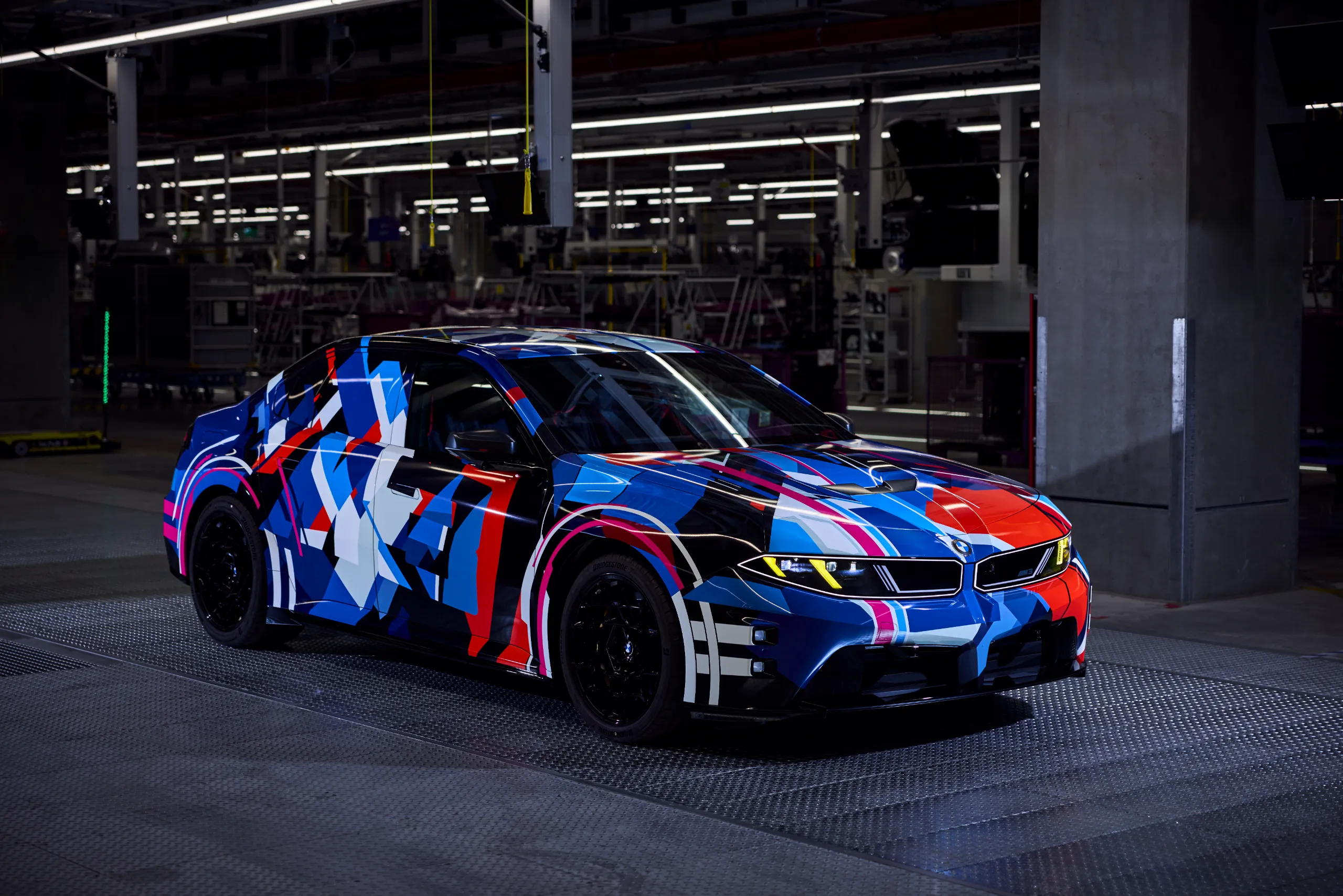
BMW M has built its one-millionth vehicle, a BMW M3 from BMW Group Plant Munich, and the company says the same plant will build the first fully electric BMW M3. Peter Weber, head of Plant Munich, handed over the milestone BMW M3, finished in BMW Individual Fire Orange III paint, to BMW M GmbH CEO Franciscus van Meel at an official ceremony this week. According to BMW, the electric M3 will be the first high-performance model to use BMW M Neue Klasse technology.
Highlights
- One million BMW M vehicles: The milestone car is an M3 in BMW Individual Fire Orange III, built at Plant Munich.
- Exclusive production site: Plant Munich will be the only factory building the first fully electric BMW M3.
- EV-only from 2027: The BMW Group will produce only fully electric vehicles at the Munich plant from 2027 onward.
- About $731 million (€650 million): BMW’s total investment to convert Plant Munich into a fully electric production site.
Electric M3 Brings BMW M Neue Klasse Technology to Munich
The fully electric M3 will be the second Neue Klasse model produced in Munich, following the fully electric BMW i3. It will also be the first high-performance model built on BMW M Neue Klasse technology, the company says.
Van Meel tied the milestone to the brand’s electric plans.
“BMW M combines road and racetrack capabilities with everyday practicality,” said Franciscus van Meel. “The one-millionth BMW M vehicle shows that these values are still very much appreciated by our customers, 40 years after the market launch of the first BMW M3. This motivates us to continuously develop our BMW M high-performance vehicle portfolio based on BMW M Neue Klasse technology, including fully-electric models, in line with our core brand promise.”
Where Will the Electric BMW M3 Be Built?
BMW will manufacture the electric M3 exclusively at its main plant in Munich, which has been producing vehicles for more than 100 years. Production of the current M3 generation began there in 2020, and the company says many plant employees feel a particular connection to the car.
“The BMW M3 has close ties to the BMW Group’s main plant in Munich,” said Peter Weber. “We are delighted that we will also be producing the first fully-electric BMW M3 here in Munich. BMW M has a special emotional significance for our associates here – so we are especially proud to be actively shaping the future of this icon.”
BMW says the decision reinforces Munich’s role as the company’s historic home base and its strategic position within the BMW Group’s global production network.
Plant Munich Goes Electric-Only in 2027
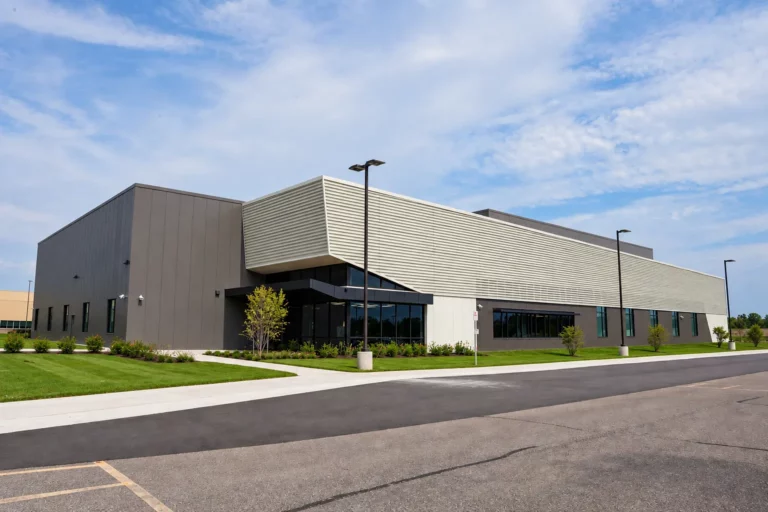
From 2027, the BMW Group will build only fully electric vehicles at Plant Munich. The company remodeled the plant for this shift while production continued.
A new body shop and vehicle assembly area, including new logistics areas, now occupy about a third of the plant site’s total area. BMW is investing around $731 million (€650 million) in total to convert the plant into an electric-only production site.
The company credits modern production structures, systematic digitalization and close cooperation with development teams and suppliers for allowing a high-performance vehicle like the electric M3 to be built efficiently in Munich.