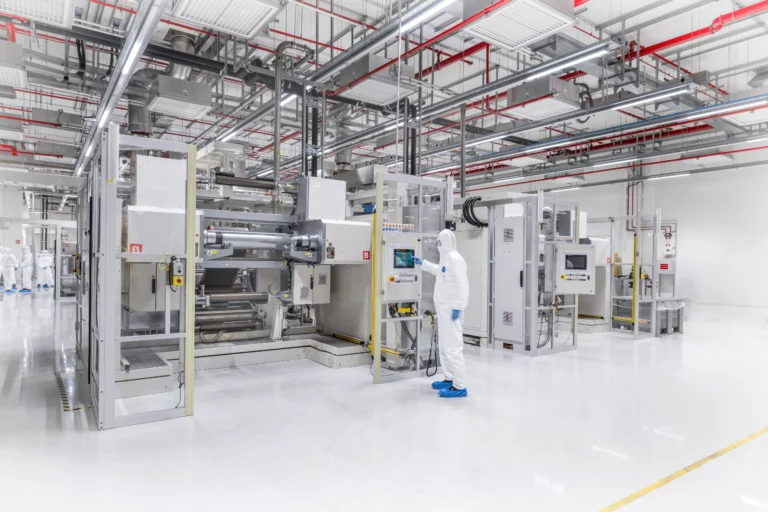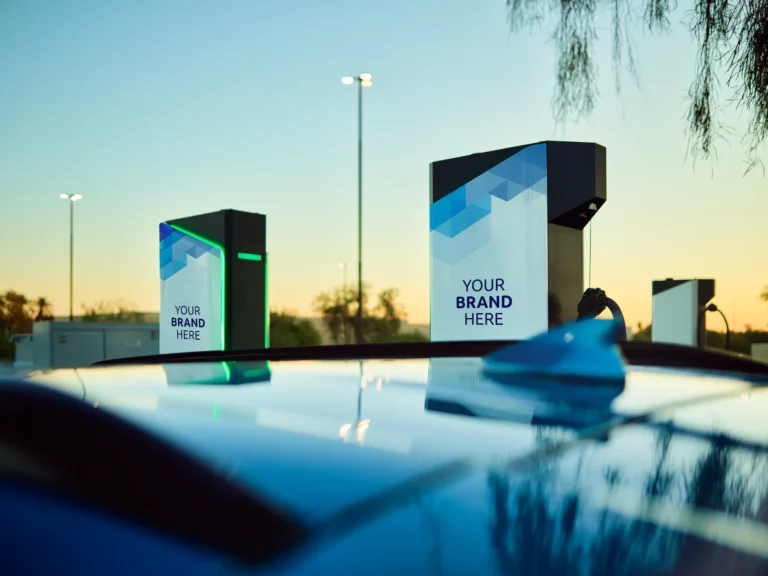

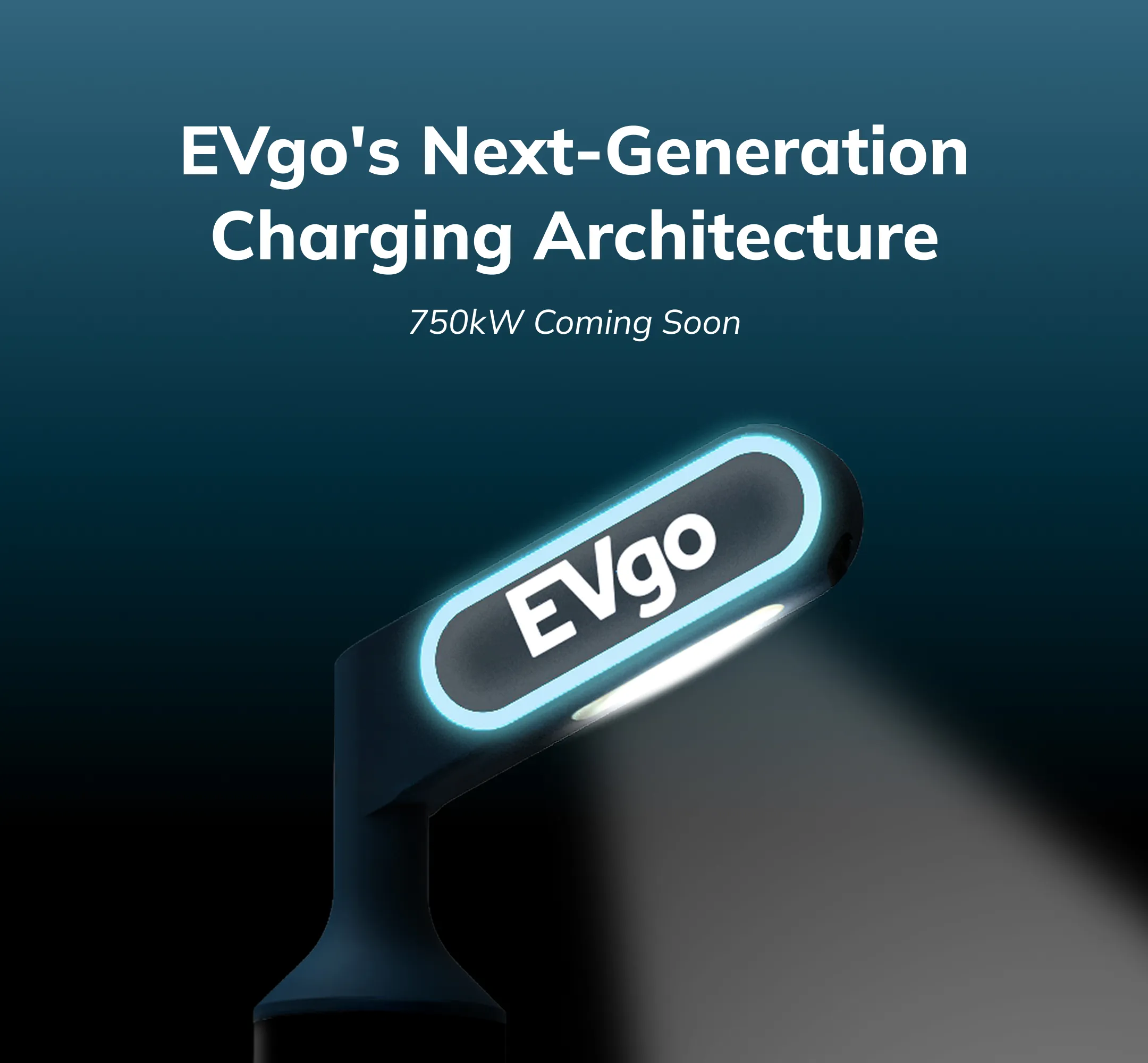
EVgo has previewed a next-generation charging system capable of delivering up to 750kW, which the company expects to charge the fastest-charging vehicles on the U.S. market in around 10 minutes. The charger is being designed, developed, and tested at EVgo’s Innovation Lab in El Segundo, California, with co-development support from longtime partner Delta Electronics. EVgo says the architecture makes it one of the only American charging networks to design its own chargers, and the company expects to unveil the final design in 2027 as it begins deploying the system.
Highlights
- Up to 750kW of charging power from the next-generation architecture
- Around 10 minutes to charge the fastest-charging vehicles on the U.S. market, according to EVgo
- Nearly 20% increase in charge rates on the EVgo network over the last two years, the company reports
- 2027 target for the final design unveiling and the start of deployment
Why Is EVgo Building a 750kW Charger?
EVgo positions the new system as a response to rising charge rates across its network. CEO Badar Khan tied the investment to vehicle capability and driver demand.
“EVgo has served EV drivers for over 15 years, and our investment in our 750kW next-generation architecture future-proofs our network for current and future vehicles,” said Badar Khan, CEO of EVgo. “Charge rates seen on the EVgo network are increasing, up nearly 20% in the last two years. We expect that to continue, and our new architecture will help meet growing demand for high-power charging while delivering an industry-leading customer experience for EV drivers.”
Charger Design and Driver Features
EVgo says the design draws on its experience with 1.8 million customer accounts and data from more than 10 million charging sessions per year. Planned features include:
- Cable maneuverability: improved cable handling at the dispenser
- Touchless payment: a contactless payment interface
- Hardware and firmware: updated components that the company says will improve reliability and simplify the charging process
- NACS connectors: fitted at every station
The NACS rollout supports EVgo’s broader strategy of doubling its addressable market by bringing more NACS drivers onto its network, an effort that also includes the company’s plans for EVgo Superchargers in metropolitan markets.
EVgo notes that real-world charging times will vary with the vehicle’s charging speed and settings, battery condition, ambient temperature, and starting state of charge.
How Does Dynamic Power Sharing Work?
The new chargers use dynamic power sharing, which EVgo says matters more as battery technology advances and charge rates vary more widely across vehicle models. The system adjusts energy distribution in real time so each dispenser delivers the output the connected vehicle needs throughout a session.
According to the company, drivers will not need to look for a stall with a specific power level, since every stall can serve their vehicle. EVgo adds that the approach supports grid stability by routing power where it is needed and smoothing demand spikes.
Development and Deployment Timeline
Work continues at the Innovation Lab as part of EVgo’s next-generation charger program with Delta Electronics. The company expects to unveil the final charger design in 2027, when deployment of the new architecture begins.