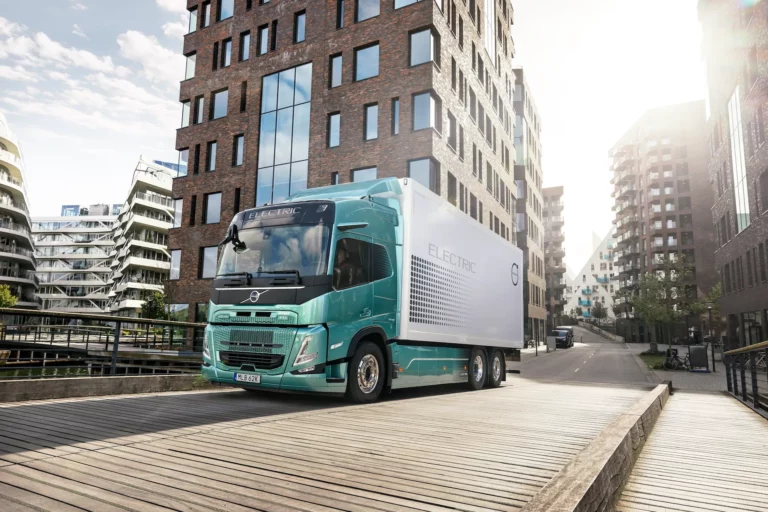


Schüco International KG, the Bielefeld-based building-envelope systems manufacturer, has added three fully electric Mercedes-Benz eActros 600 trucks to its logistics fleet, each rated for up to 310 miles (500 kilometers) per charge. The trucks were handed over by dealer BERESA during a ceremony this week at Schüco’s campus in Bielefeld, Germany, joining a commercial fleet of 56 vehicles that handles regional transport, factory logistics, and scheduled long-haul routes. Schüco, which produces window, door, and façade systems for construction projects worldwide, says the move supports both its sustainability strategy and its effort to manage long-term energy and maintenance costs.
Highlights
- Three fully electric Mercedes-Benz eActros 600 trucks join Schüco’s existing 56-vehicle fleet, each rated for up to 310 miles (500 km) per charge.
- Schüco estimates each new truck can save around 60 metric tons of CO2 annually.
- A dedicated truck charging station at the Bielefeld site is expected to become operational in October 2026; charging times elsewhere range from about one to eight hours depending on charging power.
- Schüco plans to gradually expand its electric commercial vehicle fleet based on charging infrastructure buildout and operational experience.
Fleet Electrification Ties to Climate and Cost Goals
Schüco frames the truck additions as a core piece of its sustainability strategy, with each vehicle expected to save around 60 metric tons of CO2 annually. Beyond emissions, the company points to lower energy and maintenance costs and protection against rising carbon pricing as economic drivers behind the shift. Sustainable logistics is also becoming a competitive factor with customers in markets such as Scandinavia and the Netherlands.
“The switch to alternative drive systems is a key component in achieving our climate targets,” said Stefanie Hirschmann, COO of the Metal Division at Schüco International KG. “At the same time, we are strengthening our competitiveness, as sustainable logistics is becoming an increasingly important criterion for customers and business partners.”
Charging Infrastructure Still Taking Shape
Schüco is installing a charging station at its Bielefeld site specifically built for electric trucks, targeted to go into operation in October 2026, and will supplement it with external charging points. Charging times vary between roughly one and eight hours depending on charging power. Where possible, the trucks will run on electricity from renewable sources, including through an existing agreement with Stadtwerke Bielefeld.
Schüco’s rollout mirrors challenges other fleet operators have faced bringing electric trucks into daily service — WLX WeLink Express’s deployment of the eActros 600 in Sweden similarly depended on building out charging access around driver break schedules before the trucks entered regular long-haul use.
New Training and Roles for Drivers
The switch to electric trucks is also changing day-to-day work for Schüco’s drivers, who now receive training in charging procedures, range management, and energy-efficient driving alongside their traditional responsibilities. The company points to quieter operation and updated vehicle systems as offsetting benefits. Schüco’s driver team currently includes three women alongside its male drivers, and the company says it is investing in training and development to attract new talent to the profession.
“The transformation of logistics is not only about technology, but above all about the people behind it,” said Kai Schürmann, Head of Metal Construction Logistics at Schüco. “We want to provide our drivers with modern, future-proof workplaces while inspiring new talent to pursue this important profession.”
Practical Experience Is Guiding a Gradual Rollout
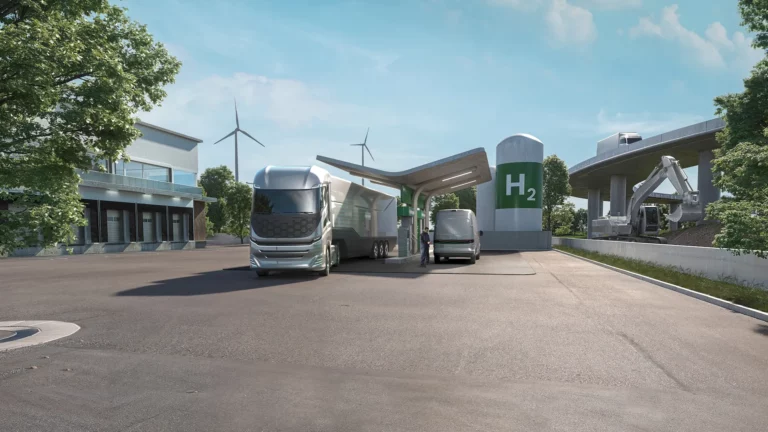
Schüco says it drew on collaboration with logistics partners and the early experience of other companies in deciding how to introduce the trucks. Current challenges include charging planning, range management, and the availability of external charging infrastructure, and the company notes that longer delivery times for charging equipment created difficulties ahead of the launch. Expansion of the electric fleet will continue gradually, tied to positive operational experience and charging infrastructure growth — a pattern also visible in other commercial fleets scaling up electric truck deployments as charging access matures. Alongside the electric trucks, Schüco says it is continuing to optimize transport routes and is exploring hydrogen propulsion for specific applications.
Sign up for our popular weekly email to catch all the latest EV news!