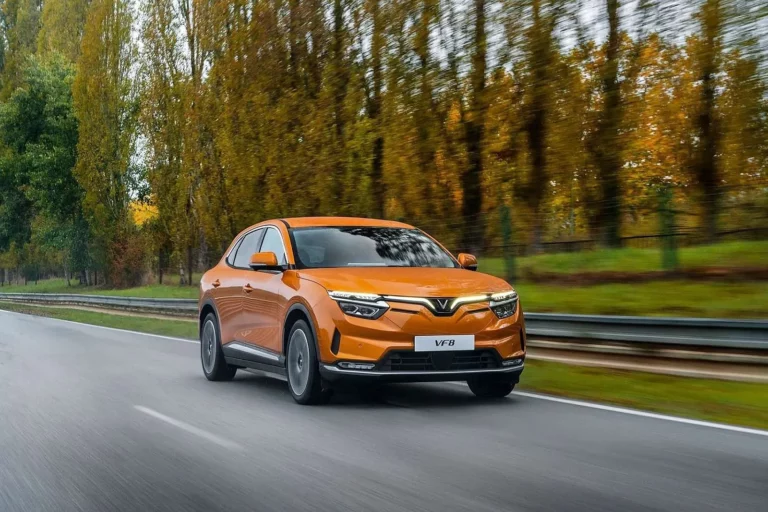
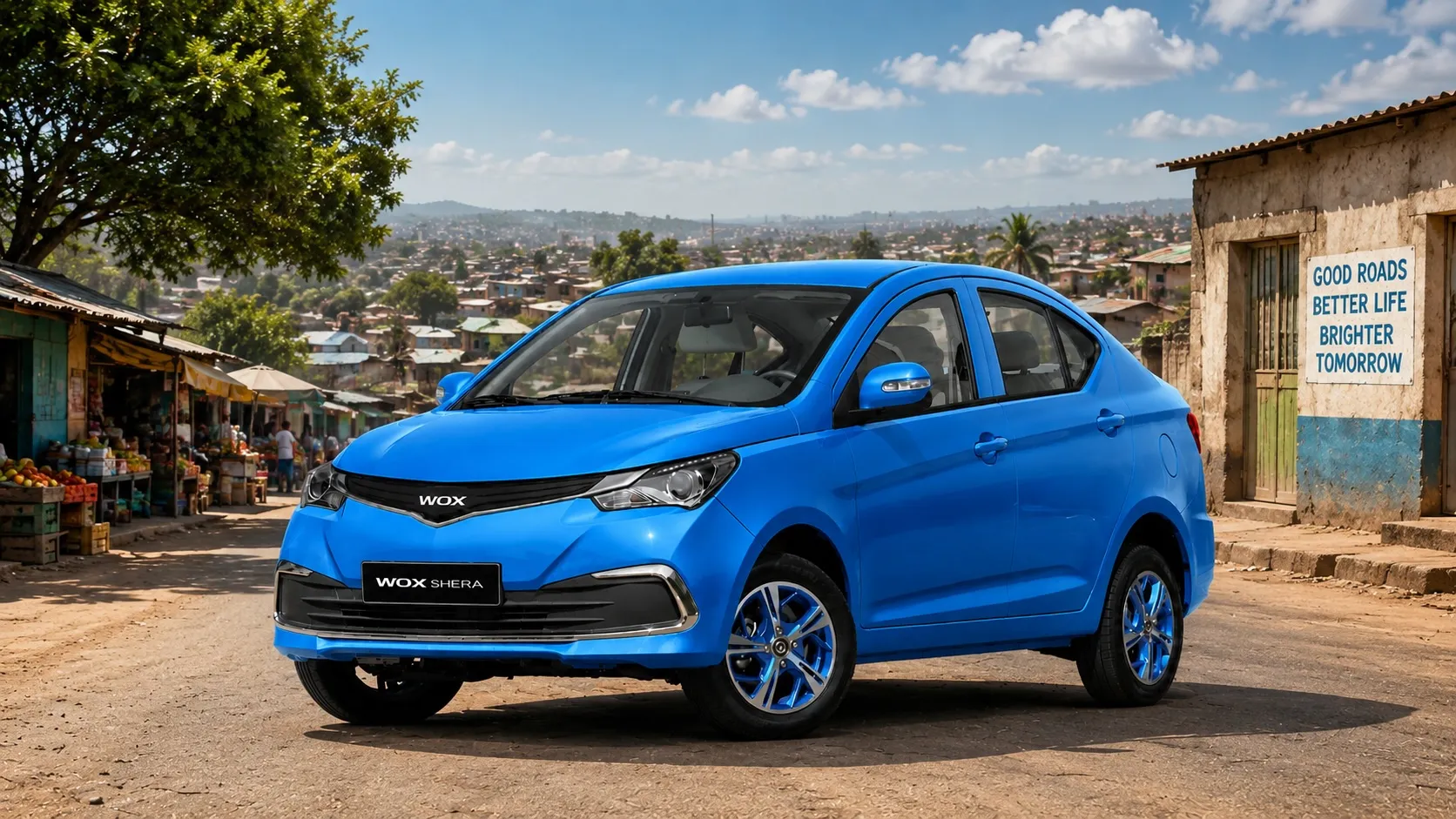

WOX Motor’s purpose-built electric sedan, the WOX Shera, has been selected for taxi operations in Nepal, marking the automaker’s entry into the country’s commercial mobility market. The deployment extends WOX Motor’s push into emerging-market fleet electrification, with the company citing rising demand for organized taxi and ride-hailing services in cities such as Kathmandu. WOX Motor positions the WOX Shera as a vehicle engineered specifically for fleet operators rather than adapted from a consumer model, built to integrate with its WOX Fleet management platform and charging infrastructure for daily commercial use.
Highlights
- WOX Shera, WOX Motor’s electric sedan built for commercial mobility, has been selected for taxi operations in Nepal.
- The deployment targets Nepal’s urban taxi and ride-hailing sector, including Kathmandu, where WOX Motor cites rising demand for organized transport.
- The sedan is designed to integrate with WOX Fleet management software and WOX Charging infrastructure, developed with Sundre, a WOX Group company.
- WOX Motor frames the launch within a wider commercial mobility ecosystem that also includes WOX Energy battery systems and the WOX Relay autonomous logistics platform.
Built for Commercial Taxi Operation
WOX Motor says it developed Shera specifically for fleet use rather than adapting a consumer sedan for commercial service. According to the company, the vehicle was engineered around the demands of intensive daily operation, high passenger turnover, and the operating economics facing taxi and fleet businesses.
For taxi operators, WOX Motor frames the shift to electric power as an economic decision rather than an environmental one. Lower fuel costs, reduced maintenance requirements and expanding charging access are among the factors the company cites as driving fleet electrification in markets where operating margins are thin.
Why Nepal
WOX Motor points to Kathmandu and other Nepalese cities as markets where demand for organized taxi and ride-hailing services is growing. The company says Nepal’s dense urban centers and defined commuter corridors suit the operational profile of a compact electric sedan.
WOX Motor also cites rising fuel costs and increasing environmental awareness among Nepalese fleet operators as factors supporting interest in electric commercial vehicles, and describes Nepal as an underserved market for purpose-built commercial EVs.
What “Purpose-Built” Means for Shera
WOX Motor lists several design elements it says distinguish Shera from a consumer EV adapted for fleet use:
- Driver-focused ergonomics — a cabin designed for comfort across extended working hours, with controls and visibility the company says are optimized for urban driving.
- Passenger comfort — rear seating configured for taxi passengers, with attention to headroom, legroom and ease of entry and exit.
- Operational durability — engineering intended to reduce maintenance intervals over the vehicle’s service life.
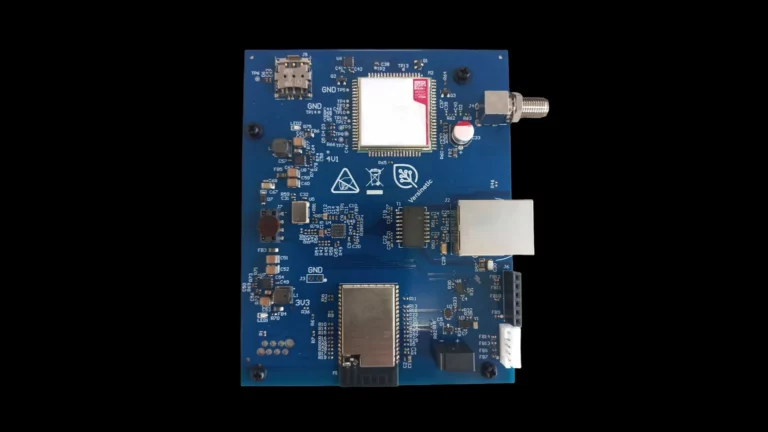
- Fleet-ready connectivity — compatibility with WOX Motor’s fleet management system for monitoring vehicle status, charging schedules and operational performance.
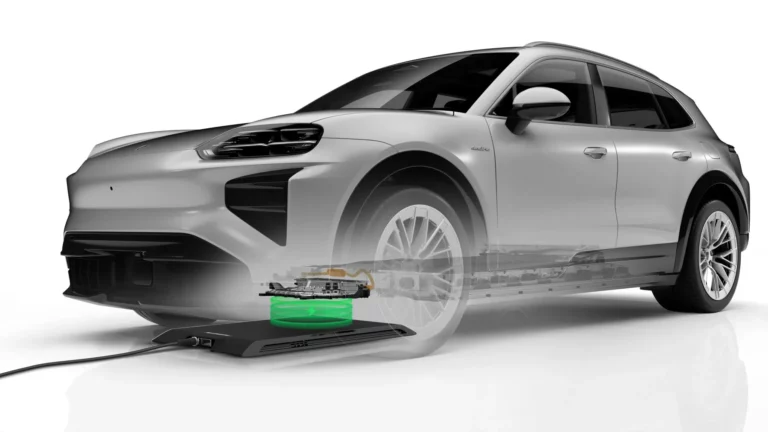
- Charging flexibility — designed to work with WOX Charging infrastructure, supporting both scheduled overnight charging and opportunity charging during shifts.
Executive Comment
Mahmut Ulubas, CEO and co-founder of WOX Motor, said: “Commercial mobility is one of the fastest-growing segments of the global electric vehicle industry. Fleet operators in emerging markets are looking for vehicles that deliver genuine operational value — not just an electric powertrain, but a complete solution that reduces costs, improves reliability and supports the day-to-day realities of running a taxi or ride-hailing business. Shera has been developed to answer that need. We are proud to see it entering service in Nepal, and we look forward to supporting fleet operators there as they make the transition to electric mobility.”
Ulubas added: “Emerging markets are not a secondary consideration for WOX Motor — they are a primary focus. The mobility challenges facing cities in Nepal, and in many other rapidly growing economies, require vehicles that are practical, affordable and built for the conditions in which they will actually operate. Shera is our answer to that challenge.”
Part of a Broader Mobility Ecosystem
WOX Motor situates Shera within what it calls its commercial mobility ecosystem, connecting electric vehicles with charging infrastructure, fleet software and energy systems. WOX Fleet provides the software layer used to track vehicle status, charging levels, trip data and maintenance schedules, according to the company. WOX Charging supplies depot and public charging infrastructure developed with Sundre, a WOX Group company, while WOX Energy handles battery management and energy storage — a capability the company says is particularly relevant in markets with variable grid infrastructure. WOX Motor also points to WOX Relay, its autonomous logistics platform, as a complement to Shera in markets requiring both passenger and goods movement.
Fleet Electrification in Emerging Markets
WOX Motor frames the Nepal deployment within a broader shift toward commercial EV adoption across emerging markets, citing urbanization, fuel costs and tightening environmental regulation as factors accelerating fleet electrification. The company says the primary barrier has not been EV technology itself but the limited availability of vehicles engineered specifically for commercial use — a gap it says Shera is intended to address.
Sign up for our popular weekly email to catch all the latest EV news!