
Every electric vehicle market tracked by classifieds operator OLX Group posted double- or triple-digit year-over-year growth in EV leads in June 2026, led by France at 206%. The figures come from The Great Acceleration: East Meets Electric, a report the Amsterdam-based company published this week covering five of its automotive marketplaces in Europe and South Africa. Chinese brands run through the data throughout, with MG and BYD now among the leading Chinese marques in four of the five markets tracked. OLX says the pattern reflects EV adoption settling into a structural trend rather than a short-term reaction.
Highlights
- June 2026 year-over-year EV lead growth: France up 206%, South Africa up 154.6%, Romania up 66.0%, Portugal up 60.0%, and Poland up 34.3%.
- Portugal is the group’s most EV-mature market, with EVs accounting for 14.9% of leads — close to one in seven.
- France recorded the sharpest rise in demand for Chinese brands at 276% year over year, more than double second-place Romania at 119%.
- In South Africa, Chinese brands hold the group’s highest overall demand share at 7.31%, but only 0.3% of that demand is for electric vehicles.
Where EV Demand Is Growing Fastest
Growth was positive across all five platforms, though the spread between them is wide. France sits at the top on both EV lead growth and Chinese brand demand, while Poland posts the most modest EV gain of the group.
| Market | OLX marketplace | EV lead growth (YoY) | Chinese brand demand growth (YoY) |
|---|---|---|---|
| France | La Centrale | 206% | 276% |
| South Africa | AutoTrader | 154.6% | Not disclosed |
| Romania | Autovit | 66.0% | 119% |
| Portugal | Standvirtual | 60.0% | 74% |
| Poland | Otomoto | 34.3% | 95% |
Portugal remains the most mature market by penetration rather than growth rate, with electric vehicles accounting for 14.9% of leads on Standvirtual — a figure OLX describes as almost double the next closest market, though the report as summarized does not name that market or its share.
OLX attributes an earlier spike in EV interest to the outbreak of the conflict in Iran in February 2026, when fuel costs and energy security moved up the list of consumer considerations. That surge, the company says, has since settled into a steadier pattern, with growth rates easing from their earlier peaks while remaining in double or triple digits.
Which Chinese Brands Are Leading in Europe?
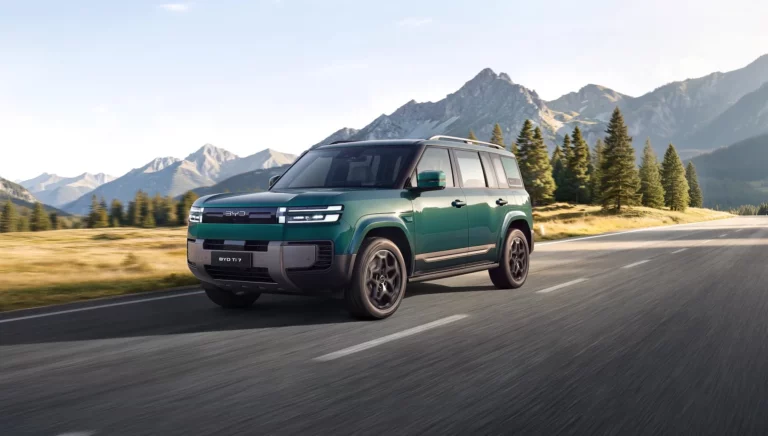
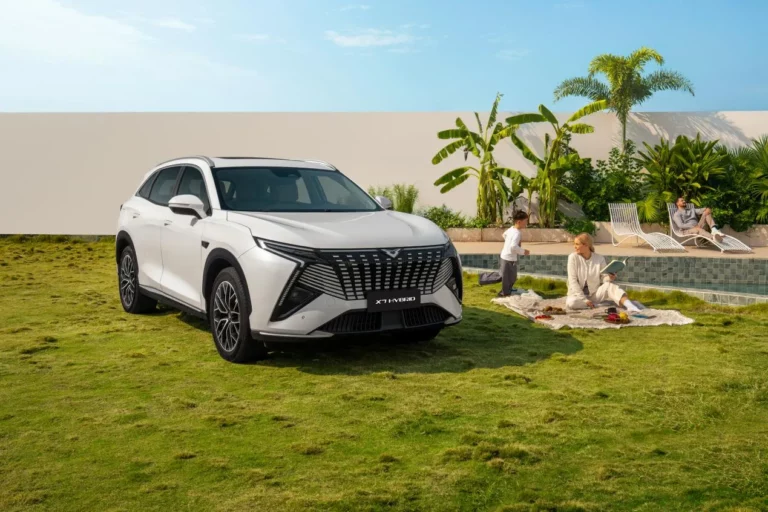
MG and BYD are the two constants, appearing among the leading Chinese brands in France, Romania, Portugal, and Poland. Beyond that pair, the composition varies by market. Portugal has Xpeng ranking alongside MG and BYD, which OLX reads as Chinese brands competing there on technology and model choice rather than price alone. Poland is the most diversified market in the group by brand count, with Omoda joining MG and BYD.
Christian Gisy, CEO of OLX, said: “The story our data tells is straightforward: where EV adoption is accelerating, demand for Chinese automotive brands is accelerating with it. That is no coincidence — Chinese manufacturers are actively expanding the market, bringing electric vehicles to consumers at lower price points than ever before. This means EVs are now more accessible for more people. The transition to electric mobility is happening faster, and more broadly, because Chinese manufacturers are in it.”
Pricing Moves in Opposite Directions
The two markets with the strongest Chinese brand growth are moving in opposite pricing directions. In Romania, EV prices fell nearly 8% year over year, and OLX links the increased availability of Chinese-made vehicles to wider access to more affordable electric models. France ran the other way: EV prices climbed 25% year over year, and demand for Chinese brands kept rising anyway, which the company reads as sustained appetite in a supply-constrained market.
South Africa Follows a Different Pattern
South Africa is the outlier in the dataset. Chinese brands command the highest overall demand share of any market in the group at 7.31%, led by Haval, but that demand is concentrated in gasoline and hybrid SUVs — just 0.3% of Chinese brand demand there is electric. OLX attributes the split to local charging infrastructure, driving conditions, and consumer preference, and frames it as evidence that Chinese manufacturers are tailoring their approach market by market rather than running one strategy across all five.
How OLX Measures Demand
All figures are drawn from leads-based consumer activity across the five marketplaces, with “leads” defined as views, inquiries, and contact events rather than completed transactions or registrations. The data runs through June 30, 2026, and the full report sets out the complete methodology.
Sign up for our popular weekly email to catch all the latest EV news!