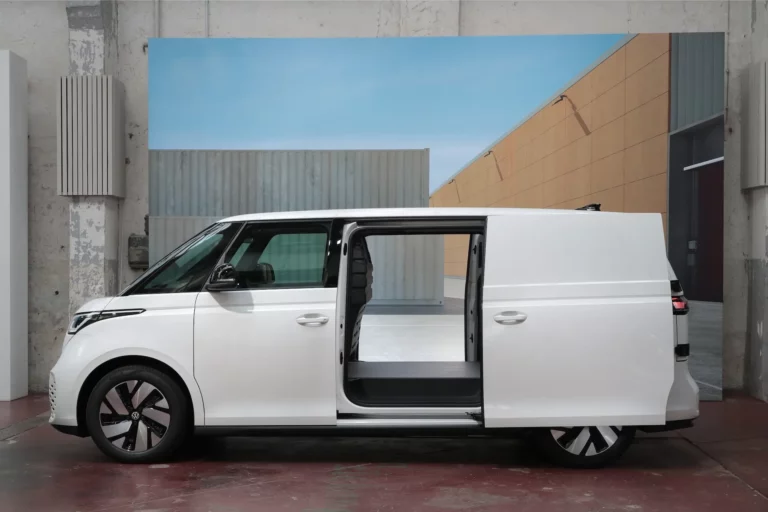


Amazon now operates more than 50,000 electric delivery vans across its global network, reaching the halfway point toward its goal of 100,000 electric delivery vehicles on the road by 2030. The fleet delivered over 2.4 billion packages last year with zero exhaust emissions, the company reports, with more than 10,000 of those vans on European roads at the end of 2025. The milestone advances The Climate Pledge, the net-zero carbon commitment Amazon co-founded in 2019 with a target year of 2040.
Highlights
- More than 50,000 electric delivery vans now operate globally, half of Amazon’s 100,000-vehicle target for 2030.
- Europe accounted for over 10,000 of those vans at the end of 2025, supported by a €1 billion (about $1.16 billion) decarbonization investment first announced in 2022.
- Micromobility hubs in more than 50 European cities have completed over 100 million deliveries, including more than 30 million in 2025.
- Amazon’s European sea and rail network has grown to more than 500 routes, which the company reports cuts carbon on those lanes by almost 50% versus road transport.
Electrifying the Last Mile With European Partners
Europe’s electric fleet is expanding quickly. Amazon’s largest single European electric vehicle deployment to date saw nearly 5,000 Mercedes-Benz electric vans join its delivery partners across Austria, France, Germany, Italy, and the UK, with the vehicles built in Germany and Spain. The company describes the collaboration as part of a broader effort to work with European manufacturers, building on a €1 billion (about $1.16 billion) commitment, first announced in 2022, to electrify and decarbonize its European transportation network. To keep the fleet running, Amazon reports it has installed tens of thousands of charging points across its facilities globally, including thousands in Europe.
Smaller Vehicles for Dense City Centers
In European cities with narrow streets, pedestrian zones, and low-emission areas, Amazon leans on small electric vehicles — electric cargo bikes, electric mopeds, and pushcarts for on-foot deliveries. Since its first electric cargo bike delivery in 2017, the company has grown this network to more than 70 micromobility hubs across over 50 European cities. Amazon and its delivery partners have completed more than 100 million deliveries in Europe using these methods, including over 30 million in 2025 alone. The company reports the deliveries have avoided more than 17,000 metric tons of carbon emissions, which it equates to removing more than 3,900 gasoline-powered passenger cars from the road for a year.
Scaling Electric Heavy Goods Vehicles
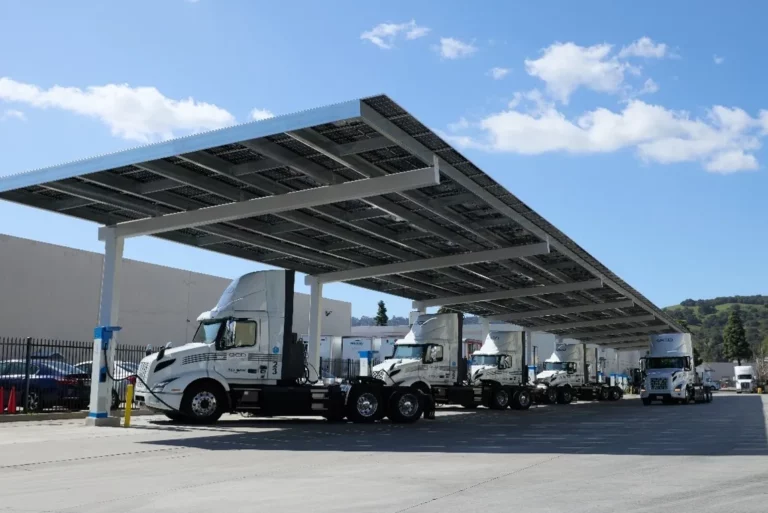
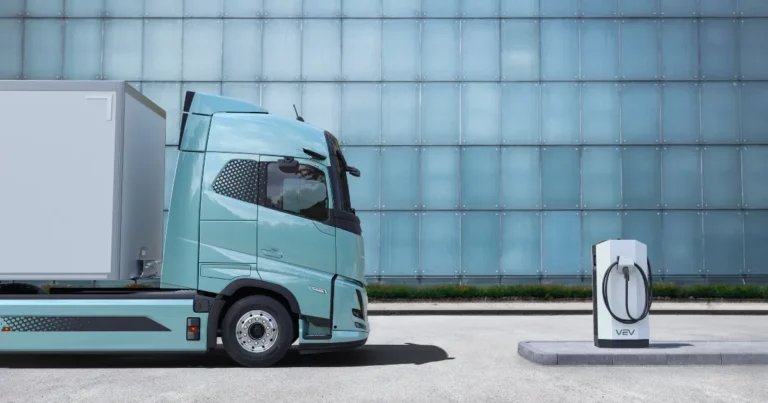
Electrification extends beyond last-mile vans. Amazon operates more than 100 electric heavy goods vehicles in its European middle-mile network — the routes linking fulfillment centers, sort centers, and delivery stations — and says it is on track to more than double that fleet by the end of 2026.
Shifting Freight to Sea and Rail
Alongside electrification, Amazon has moved more freight onto lower-carbon modes. The company now uses more than 500 sea and rail routes across Europe, twice as many as three years ago, which it reports cuts carbon on those lanes by almost 50% compared with road transport. In 2025, more than 35% of inventory transfers on lanes longer than 500 kilometers used sea or rail, and 170 million packages traveled by sea and rail across Europe, a 45% year-on-year increase. Ocean freight accounted for 97% of Amazon’s imported transoceanic retail shipments in 2025, up from 90% in 2024. In France, the company began moving parcels on the TGV high-speed rail network — a first for Amazon — carrying more than 500,000 packages by high-speed rail during 2025.
Investing in Lower-Carbon Fuels
For sectors where battery-electric power is not yet viable, such as ocean shipping and aviation, Amazon points to lower-carbon fuels as a transitional measure. In 2025, the company procured more than 14 million gallons of blended sustainable aviation fuel for its direct operations, part of what it frames as demand signals to fuel suppliers and manufacturers.
Sign up for our popular weekly email to catch all the latest EV news!